I. Policy and Industry Dynamics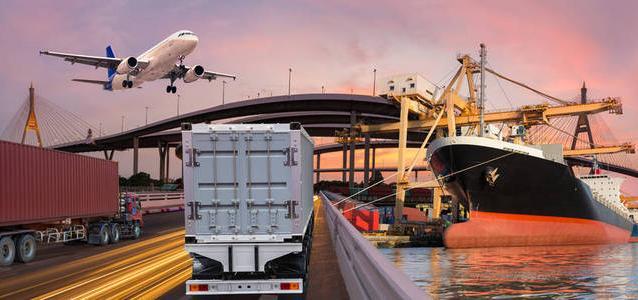
1. Data Interconnection and Standardization Upgrade of Multimodal Transport
16 cities including Tianjin and Guangzhou are promoting the data interconnection among ports, railways, and aviation, and exploring the path of tracking the whole process of international logistics and reducing costs.
Standardization of multimodal transport waybills for containers has been achieved, realizing "one waybill to the end and one-time settlement", which improves the efficiency of combined rail-water and road-rail transport.
Pay attention to China's multimodal transport policies, optimize the supply chain route, and reduce cross-border logistics costs.
2. Accelerated Development of Green Logistics
- JD Logistics: The transportation cost of the railway-industry combined special train has been reduced by 20%, and the single carbon emission has been reduced by 50 tons.
- Shenzhen Vehicle-Grid Interaction: A heavy truck can discharge 300 kWh of electricity at a time, helping with power grid balance and low-carbon transportation.
- Suggestion: Evaluate new energy logistics solutions, reduce the carbon footprint, and comply with the ESG trend.
II. International Supply Chain and Maritime Dynamics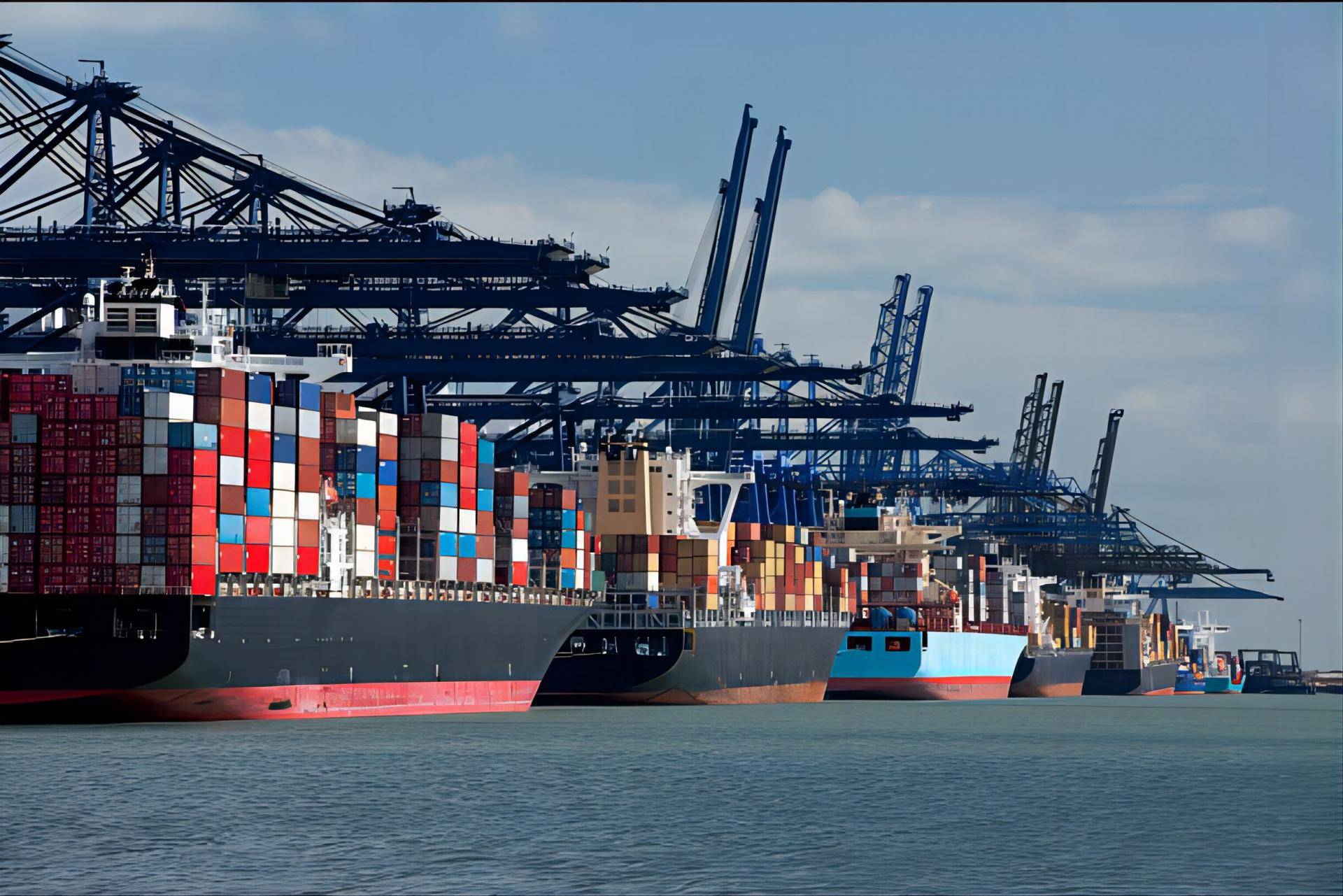
1. Intensification of the US Supply Chain Crisis
- Port Congestion: There are 143 container ships 积压 at the ports of Los Angeles and Long Beach (a surge of 270% compared to before the strike).
- Railway Strike Warning: A national strike may occur starting from May 1, affecting the transportation of 230 million tons of corn.
- Blockage at the US-Mexico Border: 8,000 trucks carrying auto parts are stranded, and Ford factories may suspend production.
- Suggestion: Adjust the logistics plan for the US market in advance, and consider air freight or transshipment in Southeast Asia.
2. Update on Sea Freight Rates and Surcharges
-
International Grain Ship Freight Rates (April 7):
。 From the US Gulf to China: $43/ton
。 From Brazil to China: $46/ton
-
Hapag-Lloyd Surcharge: Starting from April 7, a heavy cargo surcharge of $50 per container (≥20 tons) will be imposed on the routes from China to Asia.
-
Suggestion: Lock in long-term contracts to avoid the risk of short-term fluctuations in freight rates.
3. Escalation of the China-US Tariff War
- China's Countermeasures (Effective on April 10): A 34% tariff will be imposed on imported goods from the United States.
- US Threat: If China does not withdraw the tariffs, an additional 50% tariff will be imposed starting from April 9 (the total tax rate for some goods may reach 104%).
- Suggestion: Adjust the procurement strategy and diversify the supply chain to Southeast Asia or Latin American markets.
III. Cross-border E-commerce and Emerging Logistics Modes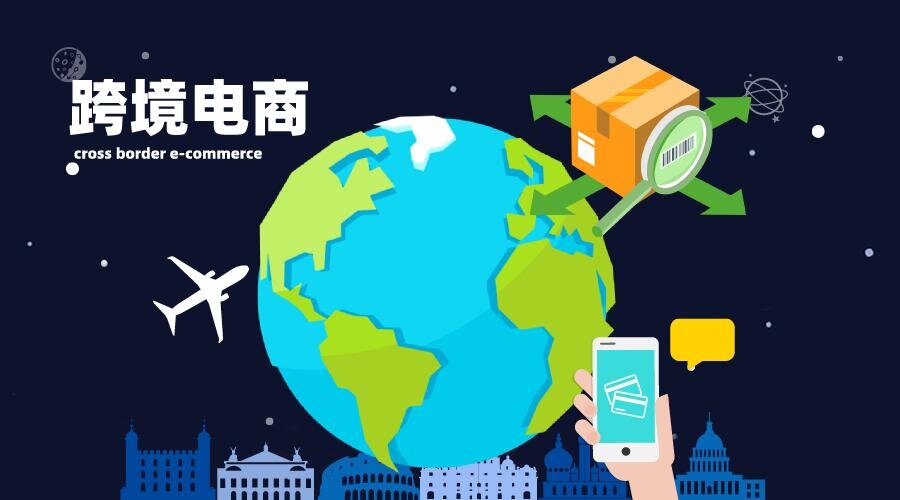
1. Rapid Growth of Cross-border E-commerce Logistics
- TikTok Shop in the US: The order volume has increased by 305%, and the live broadcast GMV has increased by 153%.
- Amazon Japan Station: Local sellers account for 54%, and Chinese sellers dominate other markets.
- Suggestion: Optimize cross-border e-commerce logistics cooperation and use the full-entrusted mode to improve efficiency.
2. Low-altitude Logistics and New Cross-border Channels
- Guangdong-Hong Kong-Macao Greater Bay Area: The freight time from Shenzhen to Kazakhstan has been compressed to 6 days.
- Drone Delivery: The cross-city low-altitude logistics route has been successfully test-flown, accelerating the last-mile delivery of cross-border e-commerce.
- Suggestion: Explore emerging logistics technologies to improve the efficiency of the last mile.
IV. Infrastructure and Global Logistics Milestones
1. New Logistics Channel for Automobiles between China and Europe
- COSCO Shipping's LNG dual-fuel ship made its maiden voyage to Hong Kong, opening up the automobile transportation route between Europe and China. The fleet will be expanded to 30 ships by 2026.
2. Surge in the New Western Land-Sea Corridor
- The freight volume in the first quarter increased by 68.2% year-on-year. The innovative "railway + ro-ro shipping" mode has been developed, helping China's automobile exports to the Middle East.
- Suggestion: Utilize the new logistics channels between China and Europe and the New Western Land-Sea Corridor to optimize the logistics of automobiles and bulk commodities.
Summary and Action Suggestions
- Cope with the US Supply Chain Risk: Adjust the shipping route and increase the inventory buffer.
- Optimize the Tariff Strategy: Reduce dependence on the United States and expand into emerging markets.
- Embrace Green Logistics: Evaluate new energy transportation solutions to reduce long-term costs.
- Leverage the Growth of Cross-border E-commerce: Strengthen logistics cooperation with TikTok and Amazon.
Wish You Have a Happy Life!


 +86 18126424455
 Email:jack@transworldcn.com
 Room 501-9, Building D, Longjing Technology Park, No. 335, Bulong Road, Ma'antang Community, Bantian Street, Longgang District, Shenzhen, China