2026 H1 Global Logistics Market Trends & Cost-Saving Strategies
Case Study: Navigating 2026 H1 Global Logistics Turmoil – Rate Spikes, Capacity Crunch & Strategic Solutions
Executive Summary
The first half of 2026 has emerged as one of the most volatile periods for global containerized logistics in recent years. Traditional peak-season dynamics collided with carrier capacity rationalization, regulatory changes, and shifting supply chain strategies, resulting in double-digit freight rate surges, widespread vessel rollovers, and severe space shortages across major trade lanes. This case study analyzes core 2026 H1 logistics data, identifies critical industry pain points, and highlights actionable strategies—including multimodal logistics and nearshoring—to mitigate risks and control costs for B2B shippers, freight forwarders, and supply chain managers.
1. Industry Challenge: Unprecedented 2026 H1 Logistics Disruptions
1.1 Freight Rate Explosion: Double-Digit Weekly Hikes Across Lanes
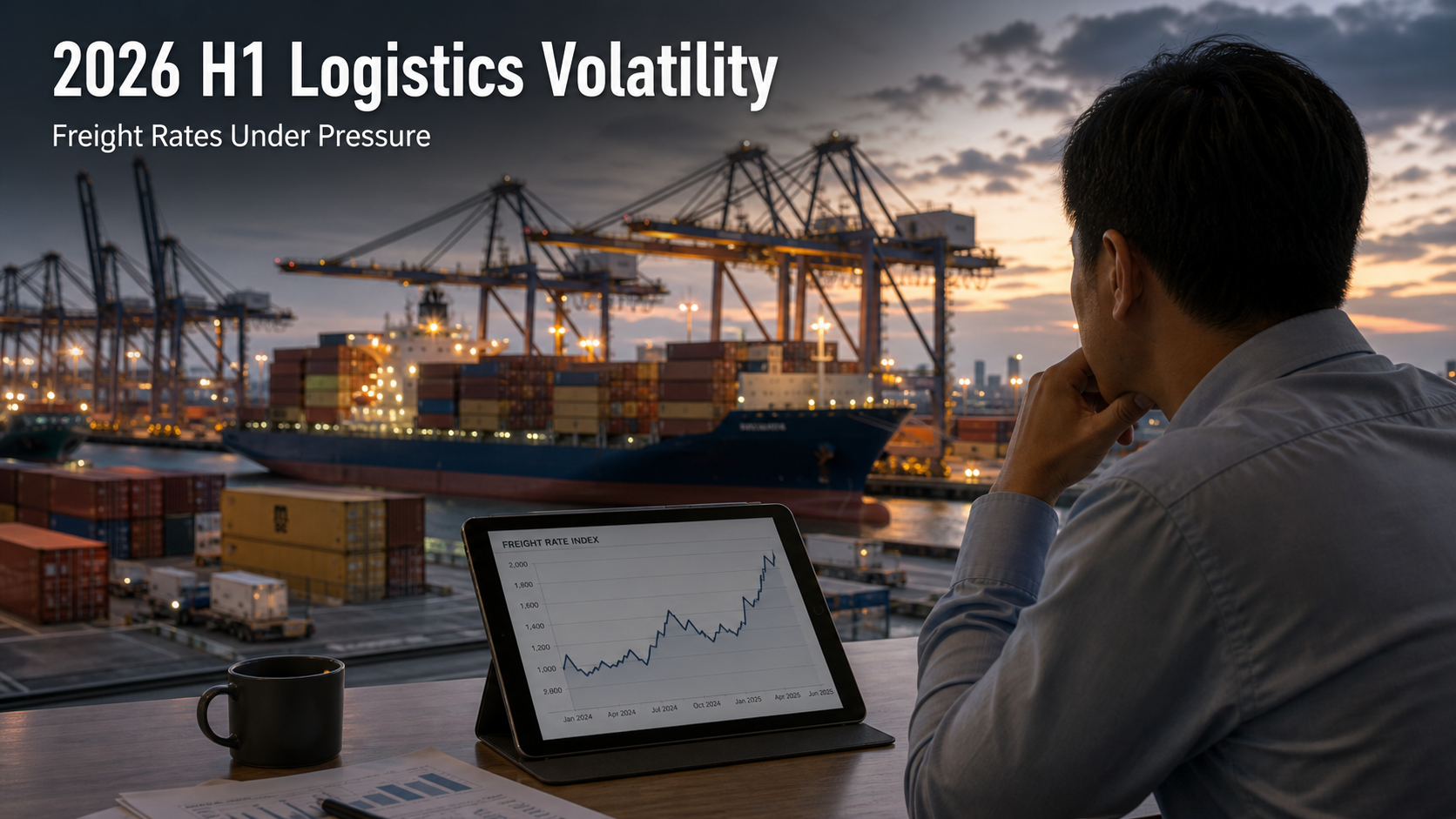
Since May 2026, the global container shipping market entered a fierce peak season, with key trade lanes recording double-digit weekly freight rate increases, driven by tight capacity and strong export demand.
- Shanghai Containerized Freight Index (SCFI): On May 15, the index surged 9.54% week-over-week (WoW) to 2,140.66 points. Over the past month, it rose 13.22% month-over-month (MoM) and skyrocketed 44.70% year-over-year (YoY).
- Trans-Pacific Lanes: Asia–US West Coast freight rates jumped 10% WoW, hitting their highest level since June 2025. Asia–US East Coast rates rose 11% WoW, returning to levels last seen in July 2025 and nearing USD 7,200 per FEU.
- Europe Lanes: Asia–North Europe assessment values spiked 14% WoW, while Asia–Mediterranean rates surged 28% WoW—the largest weekly increase in 2026.
- Middle East & Red Sea Lanes: Red Sea freight rates rose 40–50% MoM. China–Middle East container rates soared from USD 2,000–3,000 to USD 7,000–8,000 per 40HQ.
- Air Freight Market: US-bound air freight prices doubled since mid-March, reaching a three-year high, as capacity failed to keep pace with urgent peak-season demand.
1.2 Capacity Crunch: Global Vessel Rollovers & Trucking Shortages
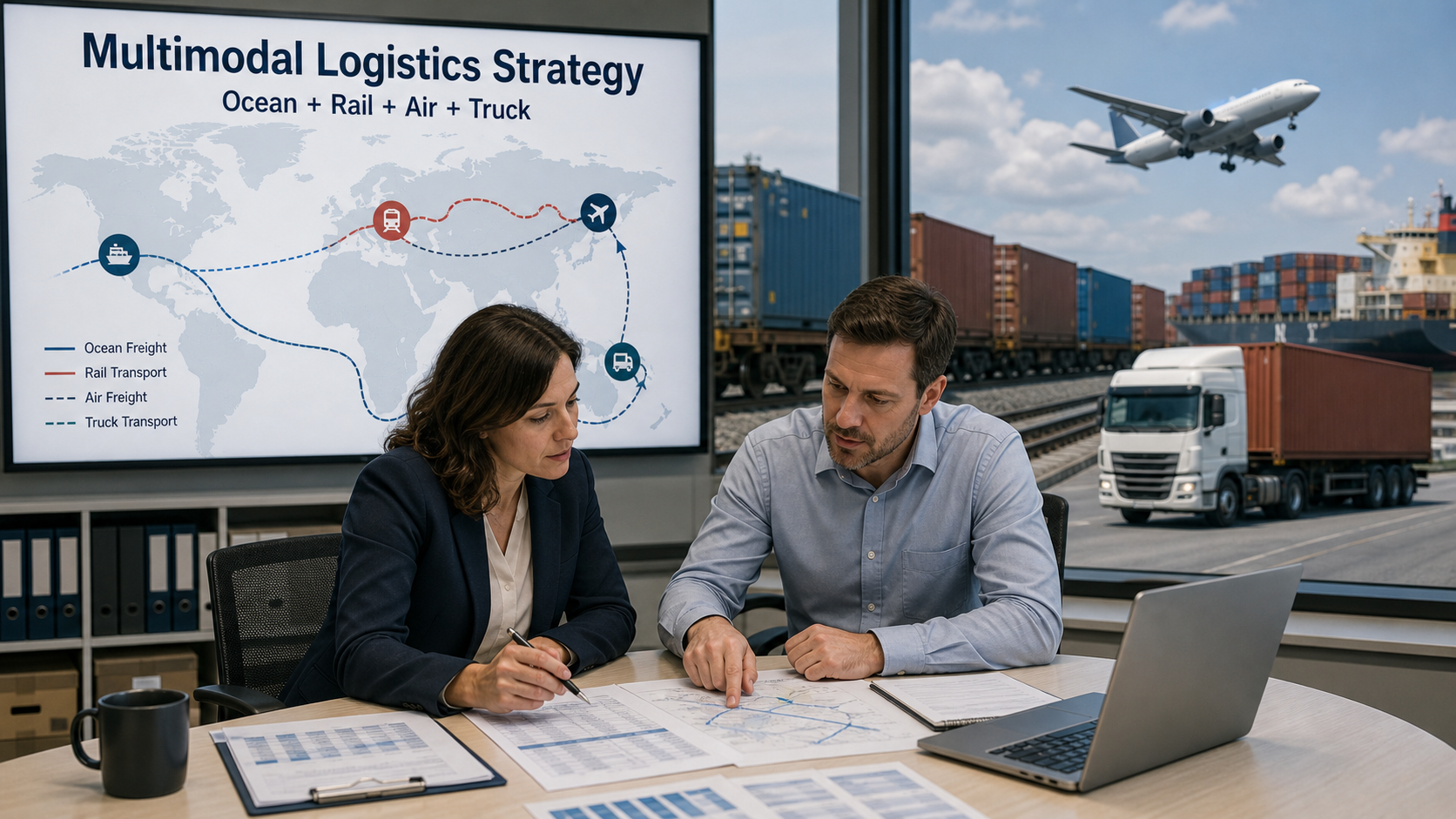
Peak-season demand triggered widespread space shortages and rollovers across all major trade lanes, with top carriers implementing aggressive rate hikes in June 2026:
- Ocean Carrier Price Increases: Maersk announced a June rate hike to USD 3,800 per 40HQ for Asia–Europe lanes, while Mediterranean Shipping Company (MSC) raised rates to USD 4,700 per 40HQ.
- North American Trucking Crisis: The US Department of Transportation (DOT) launched large-scale synchronized truck inspections across the USMCA region in May 2026, targeting 60,000–70,000 vehicles. This reduced available truck capacity by 15–30%, causing widespread cross-border delivery delays and higher last-mile costs.
1.3 Core Pain Points for Shippers
- Skyrocketing freight costs eroding profit margins.
- Unreliable transit times due to vessel rollovers and trucking delays.
- Limited space allocation for high-volume orders, risking stockouts.
- Lack of flexible logistics options to balance cost, speed, and reliability.
2. Strategy & Market Shift: Multimodal Logistics Becomes Mainstream
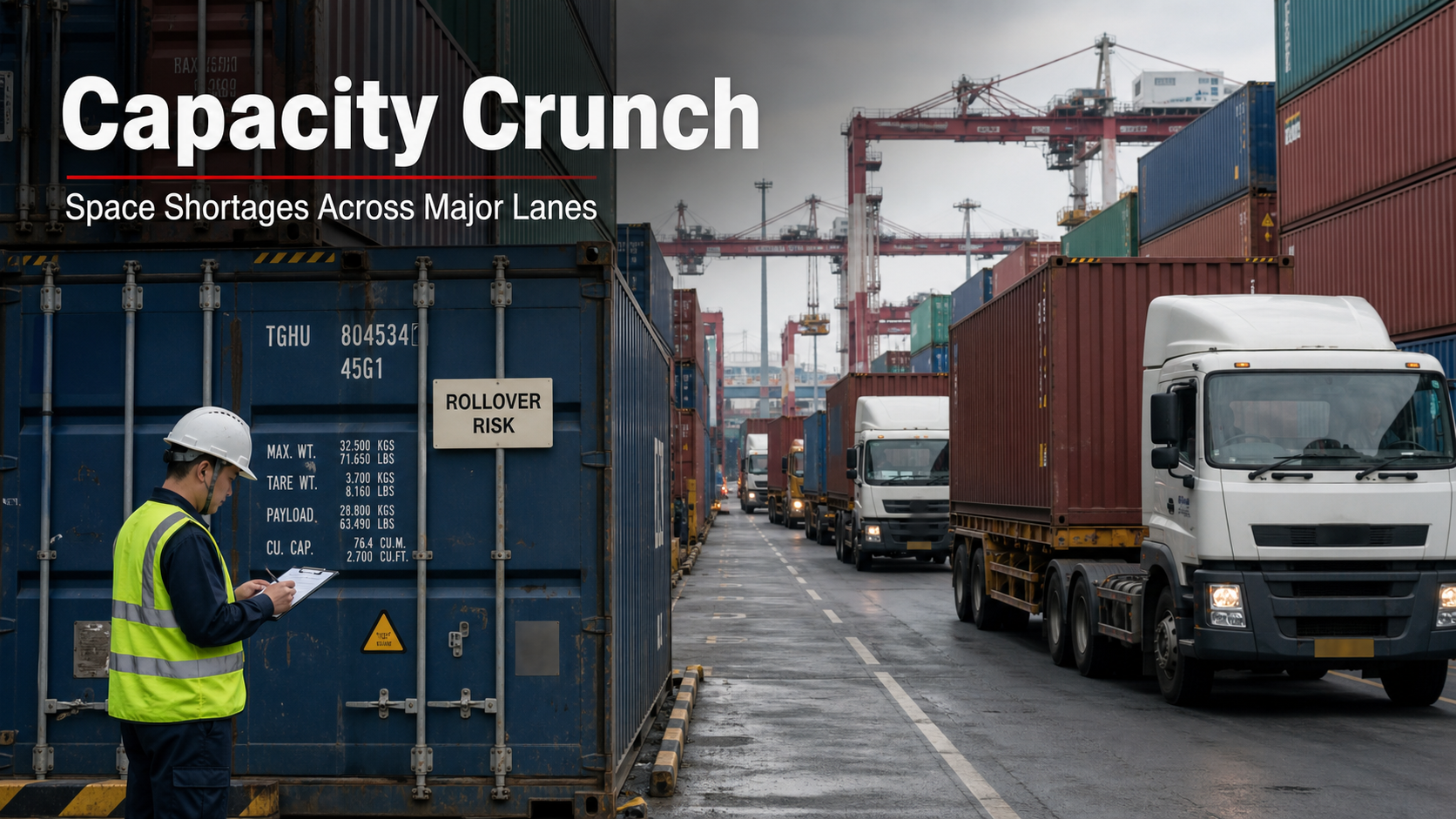
Against this backdrop, 2026 has marked a pivotal shift away from overreliance on single transport modes (ocean or air). Forward-thinking shippers are adopting "logistics combo strategies"—flexibly combining ocean, air, rail, and nearshoring solutions based on product characteristics, sales cycles, and budget constraints—to build resilient, cost-effective supply chains.
2.1 Key Solution 1: China–Europe Railway (Stable Transit, Lower Cost)
The China–Europe Railway has emerged as a critical alternative to congested ocean lanes and expensive air freight, offering:
- Reliable Transit Time: 12–18 days from China to Europe, 10–14 days faster than ocean freight (30–40 days) and 50–70% cheaper than air freight.
- Capacity Stability: Less prone to peak-season rollovers than ocean carriers, with consistent space allocation for long-term contracts.
- Ideal for: Mid-higher value, time-sensitive goods (e.g., PVC panels, WPC boards, UV marble sheets) that balance cost and speed.
2.2 Key Solution 2: Nearshoring (North America & Europe)
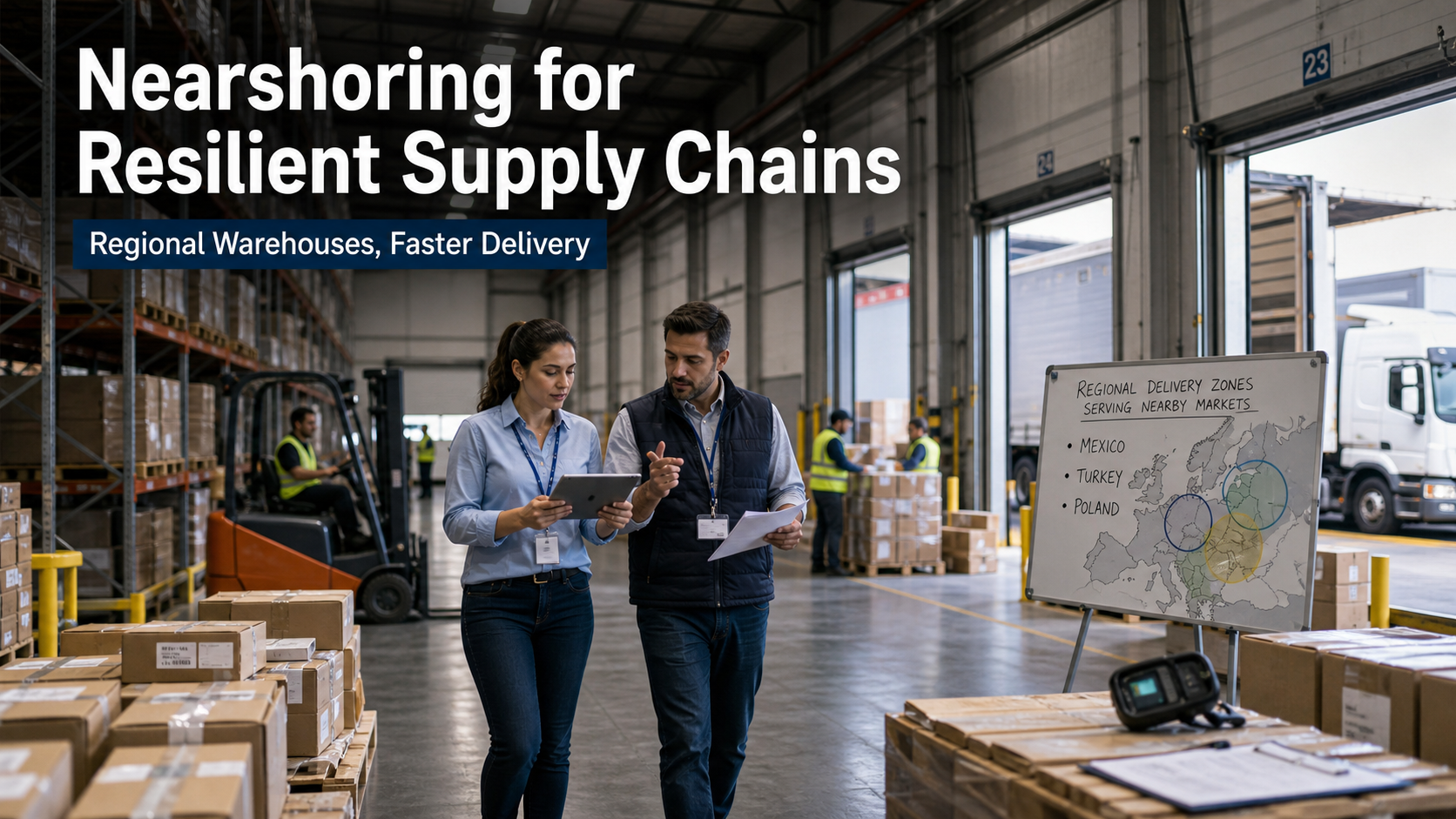
Nearshoring—locating inventory in regional warehouses near end markets—has gained explosive traction in 2026, with Mexico (serving the US), Turkey (serving Europe), and Poland (serving Europe) leading the way:
- US–Mexico Nearshoring: Orders shipped from Mexican nearshore warehouses achieve 24-hour order processing and 48-hour delivery to US destinations—1 day faster than US West Coast warehouses—while reducing logistics costs by 33%.
- Europe Nearshoring: Turkey and Poland warehouses provide 2–5 day delivery to EU countries, avoiding Red Sea congestion and Europe port delays.
- Ideal for: High-volume, fast-moving consumer goods (FMCG) and building materials (e.g., decorative panels, profiles) with predictable demand.
2.3 Key Solution 3: Strategic Ocean Contracting & Cargo Planning
For shippers prioritizing cost over speed:
- Long-Term Contracts: Lock in 6–12 month ocean freight contracts with carriers to avoid spot-market volatility.
- Off-Peak Shipping: Shift non-urgent orders to off-peak periods (Q3 post-peak) to secure lower rates and guaranteed space.
- Cargo Consolidation: Combine LCL shipments into FCL to reduce per-unit costs, especially for general cargo like PVC/WPC products (non-sensitive, non-hazardous).
3. Results & Market Impact: Resilience & Cost Savings for Shippers
Early adopters of multimodal and nearshoring strategies in 2026 H1 have achieved significant results:
- Cost Reduction: 20–30% lower logistics costs compared to spot ocean/air rates during peak season.
- Transit Reliability: 95%+ on-time delivery rate, vs. 60–70% for spot ocean shipments.
- Capacity Security: Guaranteed space allocation for high-volume orders, eliminating stockout risks.
- Profit Margin Protection: Stable logistics costs prevent margin erosion amid rising raw material and labor expenses.
4. Conclusion & Future Outlook
The 2026 H1 global logistics market has demonstrated that volatility is the new normal for international trade. Double-digit rate hikes, capacity crunches, and regulatory changes will continue to challenge shippers through 2026. However, this disruption also presents an opportunity: shippers who abandon single-mode reliance and adopt multimodal logistics, nearshoring, and strategic contracting will build resilient, cost-effective supply chains that drive competitive advantage.
For B2B shippers (e.g., building material exporters of PVC panels, WPC boards, and UV marble sheets), the key takeaway is clear: flexibility and diversification are no longer optional—they are essential for navigating the 2026 logistics landscape and beyond.
SEO Keywords (Embedded Naturally)
2026 global logistics trends, logistics case study, freight rate surge 2026, capacity crunch logistics, multimodal logistics strategy, nearshoring logistics benefits, China-Europe railway logistics, peak season shipping solutions, B2B logistics cost-saving strategies, supply chain resilience 2026









 Email: