
WORLDWIDE FREIGHT SERVICES
Email: jack@transworldcn.com
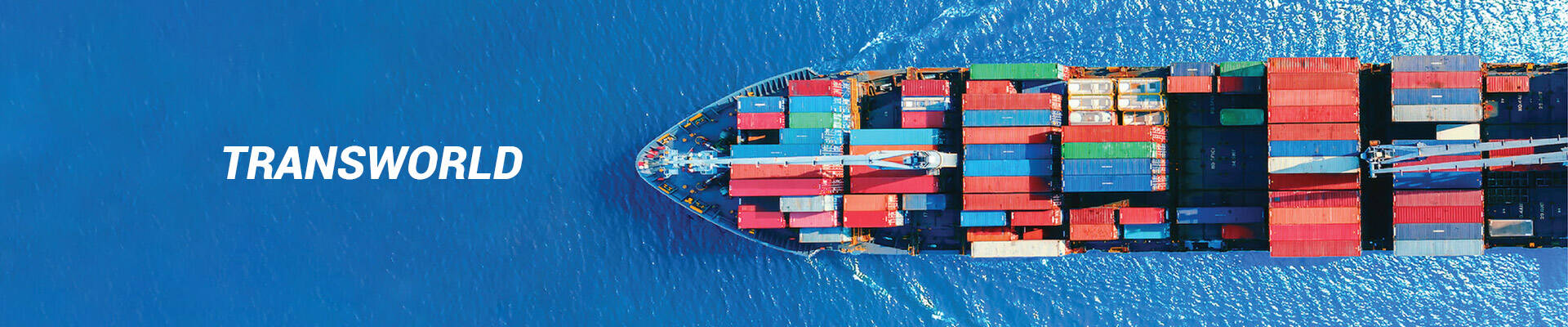
Geopolitics & Supply Chain Restructuring: Supply Chain Transformation Amid Red Sea Shipping Crisis
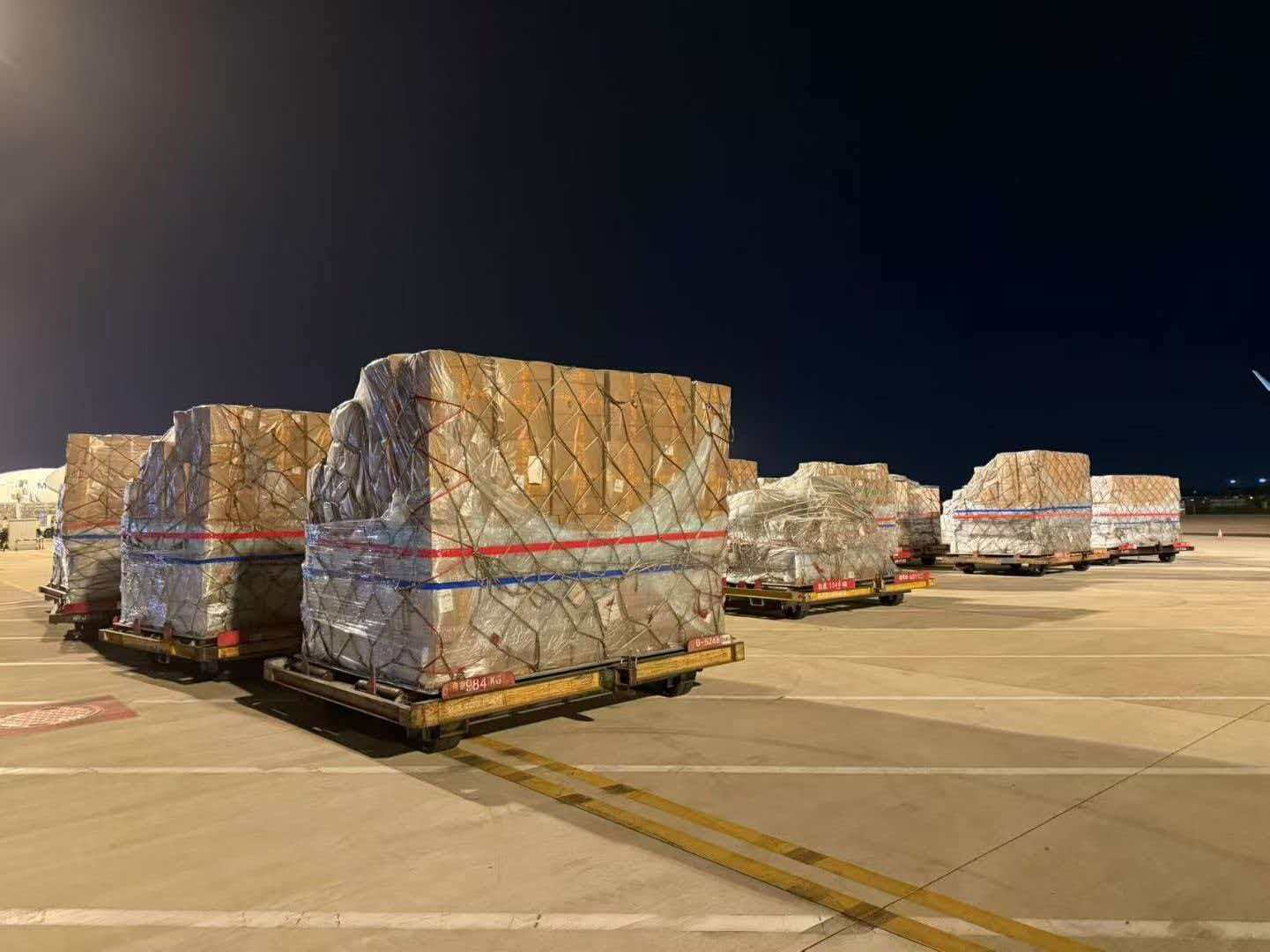
The global container shipping industry has entered a prolonged period of volatility in 2026, largely driven by escalating geopolitical tensions and the ongoing Red Sea route crisis. For decades, international trade relied heavily on traditional ocean shipping lanes, which delivered low costs and mature logistics networks for cross-border cargo movement. Major trade corridors connecting Asia, Europe, the Middle East and North Africa have long depended on the Red Sea and Suez Canal as the shortest and most cost-effective maritime passage. However, continuous regional conflicts, frequent shipping attacks and rising safety threats have turned this vital waterway into a high-risk zone.
Faced with prolonged vessel rerouting, prolonged port congestion, sharp increases in freight rates and unpredictable delivery delays, multinational enterprises across manufacturing, retail, electronics and machinery sectors have completely revised their global supply chain strategies. The era of relying on a single ocean shipping route and centralized production bases has come to an end. More companies are pushing forward two core transformations: adopting regionalized manufacturing layouts and deploying diversified combined transportation solutions. This case study analyzes real industrial practices, focusing on risk diversification via intermodal transport and risk prevention through optimized trade rules and payment arrangements, providing practical references for global enterprises to build resilient supply chains under geopolitical uncertainties.
1. Persistent Turmoil in 2026 Global Shipping: Root Causes and Industry Impacts
The Red Sea crisis has evolved from a short-term emergency into a normalized challenge for global container shipping throughout 2026. Many shipping giants have chosen to bypass the Suez Canal and take the longer route around Africa’s Cape of Good Hope to ensure vessel and cargo safety. This route adjustment directly extends sailing time by 10 to 14 days for shipments between Asia and Europe. Longer transit time brings a series of chain reactions: ocean freight costs surge sharply, inventory cycles are extended, and capital occupation pressure rises for import and export enterprises. Meanwhile, frequent port congestion at major transshipment hubs further amplifies delivery instability.
Traditional supply chain models built on single maritime transportation are facing unprecedented vulnerabilities. A large number of European importers and Asian exporters used to arrange production plans, inventory budgets and sales schedules fully based on fixed sea shipping schedules. Once the main shipping lane is blocked or delayed, the entire upstream and downstream industrial chain will fall into chaos. Seasonal goods, production raw materials and emergency supplies cannot arrive on time, leading to order breaches, production halts and lost market opportunities.
Against this backdrop, supply chain regionalization has become a mainstream trend. Instead of concentrating all production capacity in a single region, enterprises begin to set up decentralized production bases in multiple countries and regions, matching local markets with nearby production facilities. While adjusting manufacturing layouts, logistics restructuring is equally critical. Companies no longer put all transport demands on ocean freight, but start to explore complementary transport modes, so as to cut reliance on turbulent maritime routes and enhance the overall anti-risk capability of logistics networks. This shift marks a fundamental upgrade from cost-oriented supply chains to resilience-oriented supply chains.
2. Risk Diversification: Shift from Pure Ocean Shipping to China-Europe Railway & Sea-Rail Intermodal Transport
To address the instability of traditional sea lanes, cross-border enterprises have widely promoted the combination of China-Europe Railway Express and sea-rail intermodal transport, forming a diversified transportation portfolio to disperse logistics risks. The China-Europe Railway Express, as a stable land-based trade corridor connecting China and Europe, has become a core alternative to troubled ocean shipping in 2026. Compared with rerouted ocean vessels, railway transport features fixed schedules, shorter transit time and higher route safety, and is barely affected by Red Sea geopolitical conflicts.
For medium and high-value goods, time-sensitive parts and urgent order cargo, more enterprises now prioritize China-Europe railway services. The stable operation of dedicated railway lines guarantees predictable delivery cycles, enabling manufacturers to arrange production and delivery plans accurately. For bulk goods and large-volume cargo that pursue cost advantages, enterprises adopt sea-rail intermodal solutions: goods are first delivered by sea to nearby regional hub ports, then transferred to railway lines for long-distance land transportation to final destinations in Europe. This hybrid model balances cost, timeliness and safety effectively.
The practical operation of multi-modal transport also requires matching warehouse allocation and cargo consolidation strategies. Many enterprises set up regional distribution centers at major railway stations and hub ports, realizing flexible cargo transfer between sea and rail transport. By distributing cargo to different transport channels according to cargo value, delivery urgency and volume, companies avoid the collective loss caused by the paralysis of a single transport mode. This risk diversification strategy has proven highly effective in coping with the normalized turbulence of container shipping, and has gradually become a standard logistics configuration for multinational companies doing business between Asia and Europe.
3. Compliance & Tariff Risk Control: Optimize Incoterms and Payment Terms to Avoid Shipping Disruptions
Apart from transforming physical transportation networks, professional adjustments on trade rules and settlement clauses have also become key measures for enterprises to hedge risks amid shipping volatility. Under the frequent delays and rising uncertainties in maritime trade, unreasonable application of International Commercial Terms (Incoterms) will lead to blurred division of responsibilities between sellers and buyers, triggering disputes over cargo loss, extra freight charges and tariff liabilities. Therefore, redefining Incoterms has become an essential part of supply chain risk management.
In the past, many Asia-Europe trades adopted FOB and CIF terms which are highly dependent on ocean shipping. When vessels are delayed, rerouted or trapped in port, additional costs and time risks often lead to conflicts. Currently, forward-looking enterprises tend to choose DAP or DDP terms for long-distance cross-border shipments. Under these terms, sellers take more control over the entire transportation process, can flexibly switch between sea, rail and intermodal transport, and arrange cargo transit and customs declaration in advance. This arrangement clarifies liability boundaries and avoids endless disputes caused by unexpected shipping changes.
In terms of payment clauses, enterprises also make targeted adjustments to match new logistics arrangements. Traditional letter of credit terms tied to fixed ocean bill of lading requirements are revised to accept multi-modal transport documents, so that buyers can complete payment settlement normally even if goods are delivered via railway or sea-rail combined transport. Meanwhile, both parties negotiate flexible payment periods to adapt to extended transit cycles, preventing capital chain risks brought by prolonged cargo delivery. In addition, professional teams strengthen tariff compliance management, pre-check tariff policies of transit countries and destination countries for different transport routes, classify goods reasonably and declare in standard procedures, so as to avoid extra fines and tariff losses due to route changes and document updates.
By optimizing Incoterms, adjusting payment rules and strengthening customs compliance, enterprises form a complete soft risk prevention system cooperating with diversified physical transport networks. The combination of hard logistics transformation and soft trade rule adjustment builds a fully resilient supply chain system, which can effectively respond to sudden shipping delays, route changes and policy fluctuations.
Conclusion
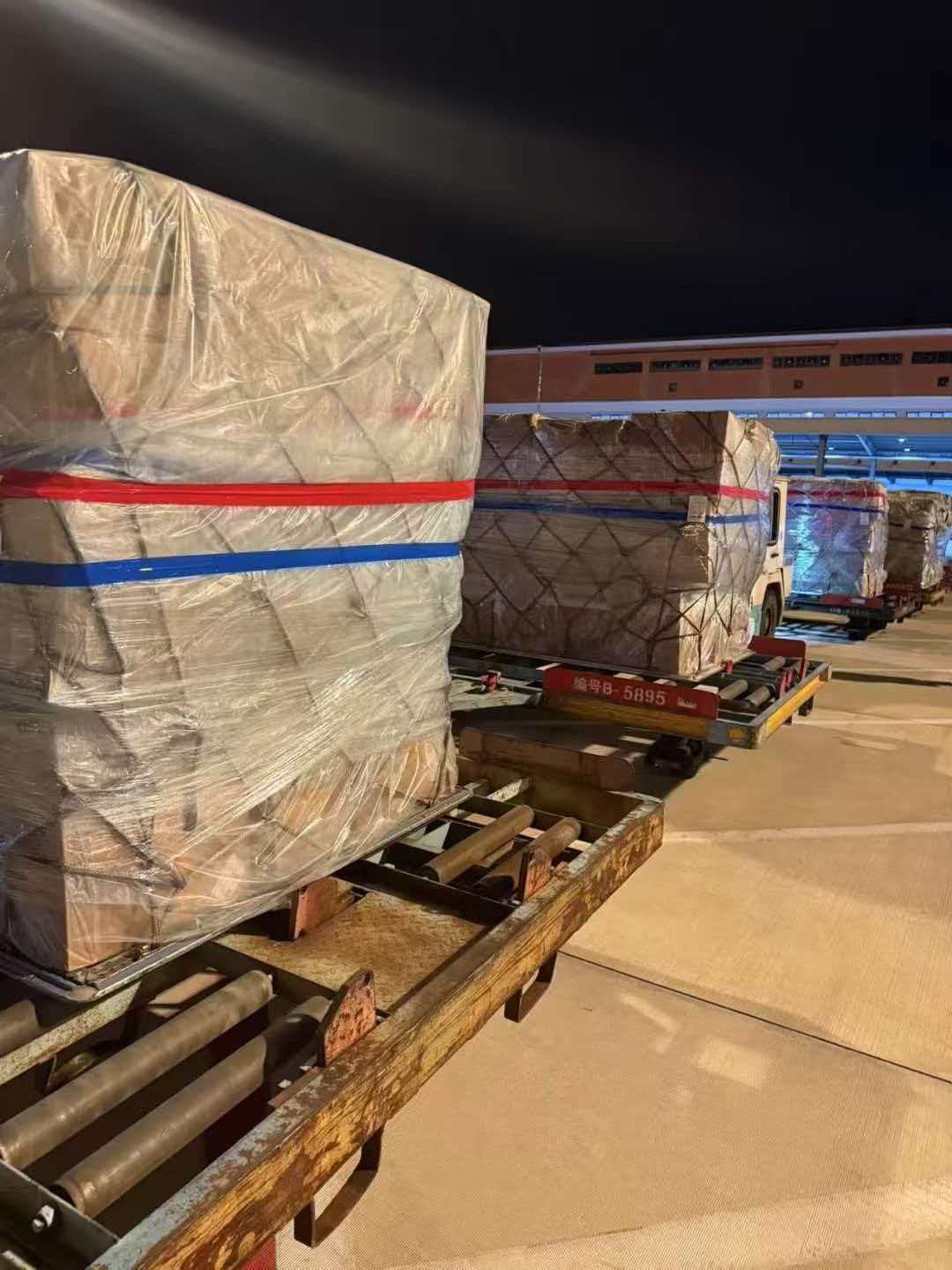
Geopolitical frictions and the lasting Red Sea shipping crisis have completely reshaped the landscape of 2026 global container shipping and international supply chains. The old model relying on single maritime routes and centralized production can no longer adapt to the volatile international environment. Through this practical case, it is clear that effective supply chain risk management requires two core directions: first, realizing risk diversification via China-Europe dedicated railway lines and sea-rail intermodal transport to reduce dependence on turbulent sea lanes; second, optimizing international trade terms and payment clauses to standardize compliance management and evade tariff and liability risks.
For global enterprises engaged in cross-border trade, building a flexible, diversified and compliant supply chain network is no longer an optional upgrade but a necessary survival strategy. The transformation experience in this case can be referenced by more industries and regions, helping enterprises maintain stable operation and sustainable development amid continuous global geopolitical and logistics fluctuations.






 Email: