
WORLDWIDE FREIGHT SERVICES
Email: jack@transworldcn.com
International trade continues to evolve as governments adjust policies, strengthen regulatory frameworks, and seek greater supply chain resilience. In June 2026, three major developments attracted widespread attention across the global trade and logistics industry:
These developments have significant implications for importers, exporters, manufacturers, logistics providers, investors, and supply chain managers worldwide.
This case study examines each development in detail and explores their potential impact on international trade, customs compliance, investment strategies, and global logistics operations.

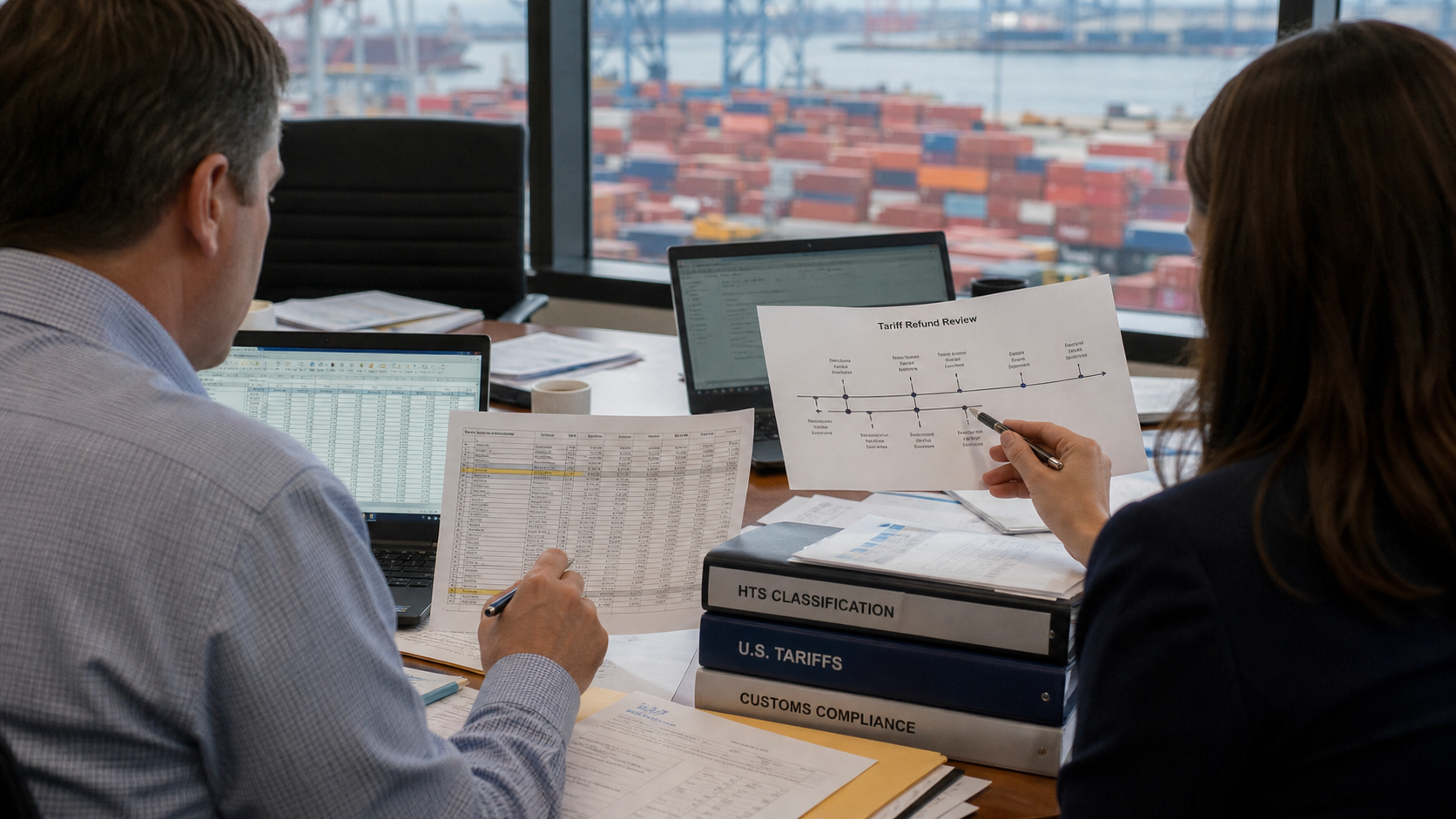
The United States government recently informed the U.S. Court of International Trade (CIT) that it intends to appeal a ruling requiring comprehensive refunds of tariffs collected under the International Emergency Economic Powers Act (IEEPA).
The original court decision suggested that certain tariffs imposed under IEEPA were unlawful and that affected importers should receive refunds. However, the government argues that refunds should only be granted to companies that actively participated in litigation rather than all affected importers.
This position has generated uncertainty across industries that have paid significant duties over recent years.
Many importers have been monitoring the outcome closely because tariff payments directly affect:
For some companies, the potential refunds represent millions of dollars in recoverable expenses.
If the government's appeal succeeds, businesses that did not participate in legal challenges may lose access to refund opportunities.

Importers must now determine:
Many companies postponed sourcing decisions while awaiting clarity on tariff treatment.
Uncertainty may encourage businesses to:
Potential refund eligibility affects:
Large importers in industries such as electronics, machinery, consumer goods, and industrial equipment are particularly affected.
Businesses should consider:
Accurate import documentation can support future refund claims and customs audits.
Trade policy changes increasingly originate from legal proceedings rather than legislative action.
Experienced customs brokers and trade attorneys can help identify refund opportunities and compliance risks.
China recently achieved a significant milestone in international quality infrastructure development.
Ten Chinese case studies, including the highly regarded "Accreditation Empowering Photovoltaic Leaders" project, were successfully included in the International Network on Quality Infrastructure (INetQI) Case Study Database.
The selected projects demonstrate how quality infrastructure can support:
Quality infrastructure refers to systems that ensure products and services meet required standards through:
Creating unified technical specifications that facilitate international trade.
Verifying the competence of testing, inspection, and certification organizations.
Ensuring measurement accuracy across industries.
Confirming that products comply with relevant regulations and standards.
One highlighted case involved China's photovoltaic industry.
The accreditation framework helped manufacturers:
As renewable energy demand continues growing globally, standardized quality systems provide significant competitive advantages.
International buyers gain confidence when suppliers operate within recognized quality systems.
Common standards help reduce technical obstacles to international commerce.
Products meeting internationally recognized standards can enter foreign markets more efficiently.
Quality infrastructure reduces the likelihood of product failures and regulatory violations.

Freight forwarders and logistics companies increasingly support customers through:
Quality assurance has become a critical component of modern supply chain management.
China officially released the "Regulations of the State Council on Outbound Investment."
The new framework aims to:
The regulations represent a major step toward modernizing China's overseas investment governance system.
Authorities seek to encourage investments that generate long-term economic value rather than short-term speculative activities.
Clearer rules help investors better understand approval procedures and compliance obligations.
The regulations encourage collaboration with international partners while aligning with global trade standards.
Companies are expected to evaluate:
before committing capital overseas.
The Belt and Road Initiative continues to play a major role in international infrastructure and economic cooperation.
The updated regulations may help:
More transparent investment procedures can increase investor confidence.
Foreign governments and businesses often prefer working with partners operating under clear regulatory frameworks.
Financial institutions may gain greater confidence in supporting compliant overseas projects.
As outbound investment expands, demand may increase for:
New factories, warehouses, and infrastructure projects require transportation solutions.
Cross-border projects involve complex import and export procedures.
Large-scale industrial developments often require specialized logistics services.
Growing international investments create demand for regional logistics hubs.
Although the three developments originate from different policy areas, they share common themes.
Governments increasingly expect businesses to comply with:
Compliance is becoming a competitive advantage rather than merely a legal obligation.
Global disruptions over recent years have highlighted the importance of resilient supply chains.
Companies are investing in:
The success of China's quality infrastructure cases demonstrates how international standards can:
As companies expand internationally, logistics providers play a strategic role in:
Modern logistics companies are becoming business partners rather than simple transportation providers.
Monitor developments in:
Strong compliance programs reduce operational risks and improve market access opportunities.
Multiple sourcing options improve resilience during policy changes or market disruptions.
Professional freight forwarders can help manage:
Certification and accreditation programs can improve competitiveness in global markets.
The latest developments in U.S. tariff policy, China's quality infrastructure achievements, and China's new outbound investment regulations illustrate the continuing evolution of global trade.
For businesses involved in international commerce, these changes highlight the importance of regulatory awareness, quality management, compliance excellence, and strategic supply chain planning.
Companies that proactively adapt to changing trade environments will be better positioned to reduce risks, improve efficiency, and capture new growth opportunities in the increasingly interconnected global economy.
As governments continue refining trade, investment, and quality frameworks, international businesses, manufacturers, logistics providers, and investors must remain agile, informed, and prepared for a rapidly changing global marketplace.
Global Trade 2026, U.S. Tariff Refunds, IEEPA Tariffs, International Trade Policy, China Outbound Investment Regulations, Belt and Road Initiative, Quality Infrastructure, INetQI Case Studies, Global Supply Chain Management, International Logistics Services, Customs Compliance, International Freight Forwarding, Trade Regulations 2026, Supply Chain Resilience, Cross-Border Trade, International Standards and Accreditation, Global Investment Policy, Import Export Compliance, Trade Facilitation, Logistics Industry Trends.






 Email: