

WORLDWIDE FREIGHT SERVICES
Email: jack@transworldcn.com

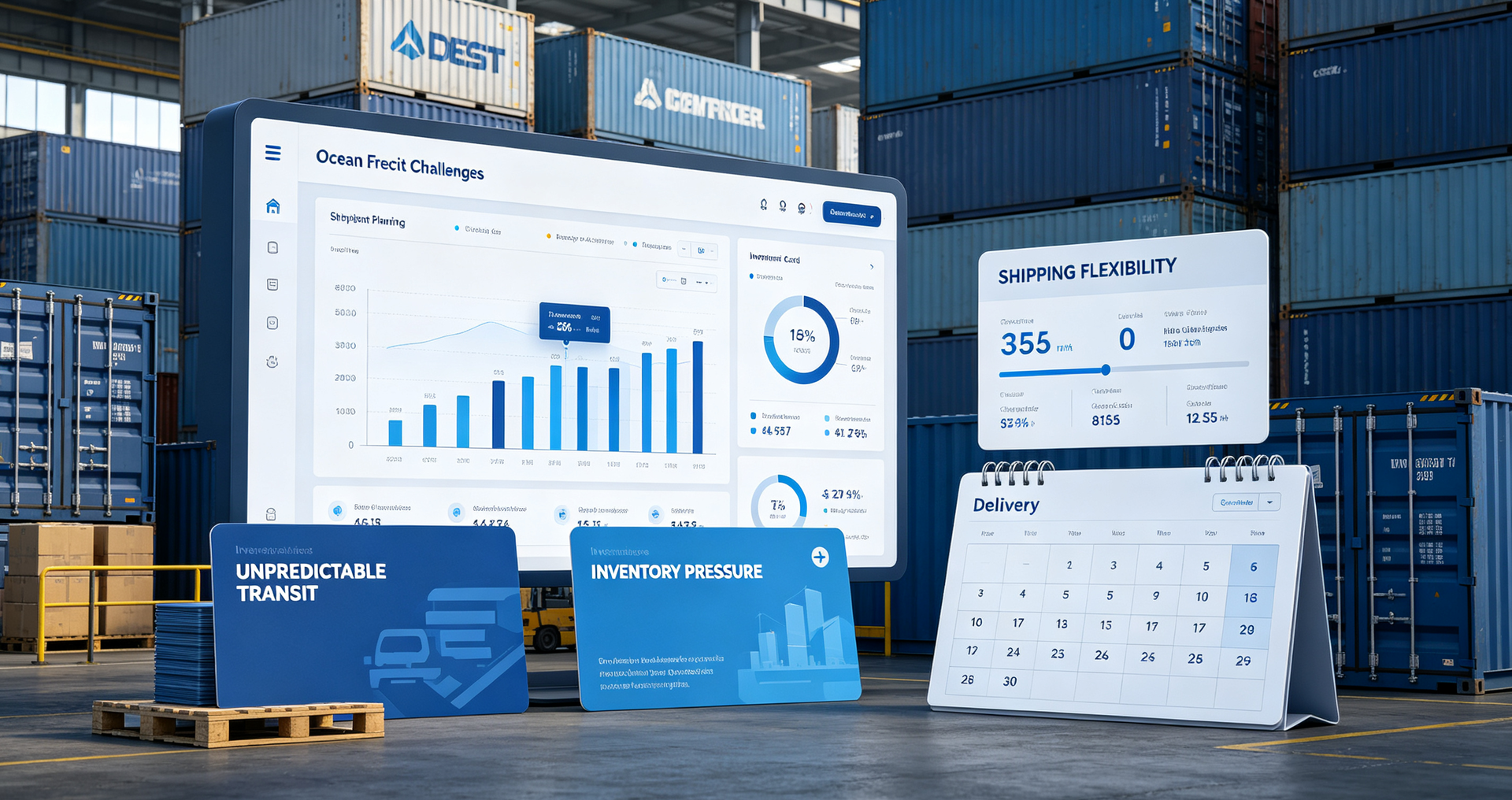
A growing retail brand faced unstable transit times, increasing freight costs, and inventory pressure when shipping products from China to the United States.
By analyzing shipment priorities and combining Matson fast shipping, ZIM container services, and standard ocean freight solutions, the company created a more flexible logistics strategy.
The result was improved shipment planning, better inventory control, and a stronger supply chain structure for future international growth.
The client was a US-focused retail brand importing consumer products from China.
At the beginning, standard ocean freight was enough to support business growth.
But as sales increased, things started getting complicated.
The company needed more frequent inventory replenishment, better delivery visibility, and a smarter way to control transportation costs.
Honestly, this is a pretty common situation for growing international brands.
A shipping method that works perfectly for a small business does not always work when order volume increases.
Challenge 1: Unpredictable Delivery Timing
The company mainly relied on traditional ocean freight.
While it offered competitive pricing, longer transit times created challenges during promotional seasons.
For example, before a major sales event, delayed inventory could mean missed revenue opportunities.
The company needed a solution that could balance speed and cost.
However, choosing the fastest option for every shipment would increase logistics expenses significantly.
Challenge 2: Lack of Shipping Flexibility
Different products had different transportation needs.
Some products required faster replenishment.
Others were suitable for lower-cost ocean transportation.
The company needed multiple shipping options instead of relying on one single method.
| Shipment Type | Previous Problem | Required Solution |
| High-demand products | Inventory shortage risk | Faster transportation |
| Regular products | High transportation cost | Cost-effective ocean freight |
| Seasonal items | Uncertain arrival time | Flexible shipping schedule |
The logistics team created a customized China to USA ocean freight strategy based on product categories and business priorities.
Matson fast shipping was introduced for products requiring quicker replenishment.
This included:
The biggest advantage was shorter transportation time on selected Asia–US routes.
That said, premium shipping usually comes with higher costs.
The company did not use Matson for every shipment.
Instead, it used this option strategically when speed created real business value.
This approach helped avoid unnecessary transportation expenses while protecting important sales opportunities.
For regular shipments, the company introduced ZIM shipping services as another transportation option.
ZIM provided flexibility for container transportation planning.
The company could consider:
Honestly, having more than one shipping option made daily logistics management much easier.
Still, carrier selection is only one part of international shipping.
Route planning, customs preparation, and shipment timing also play important roles.
Standard ocean freight remained an important part of the strategy.
For large-volume products without urgent delivery requirements, traditional ocean shipping provided better cost efficiency.
The company continued using standard freight for:
However, the key improvement was not replacing standard shipping.
It was using the right shipping method for the right situation.
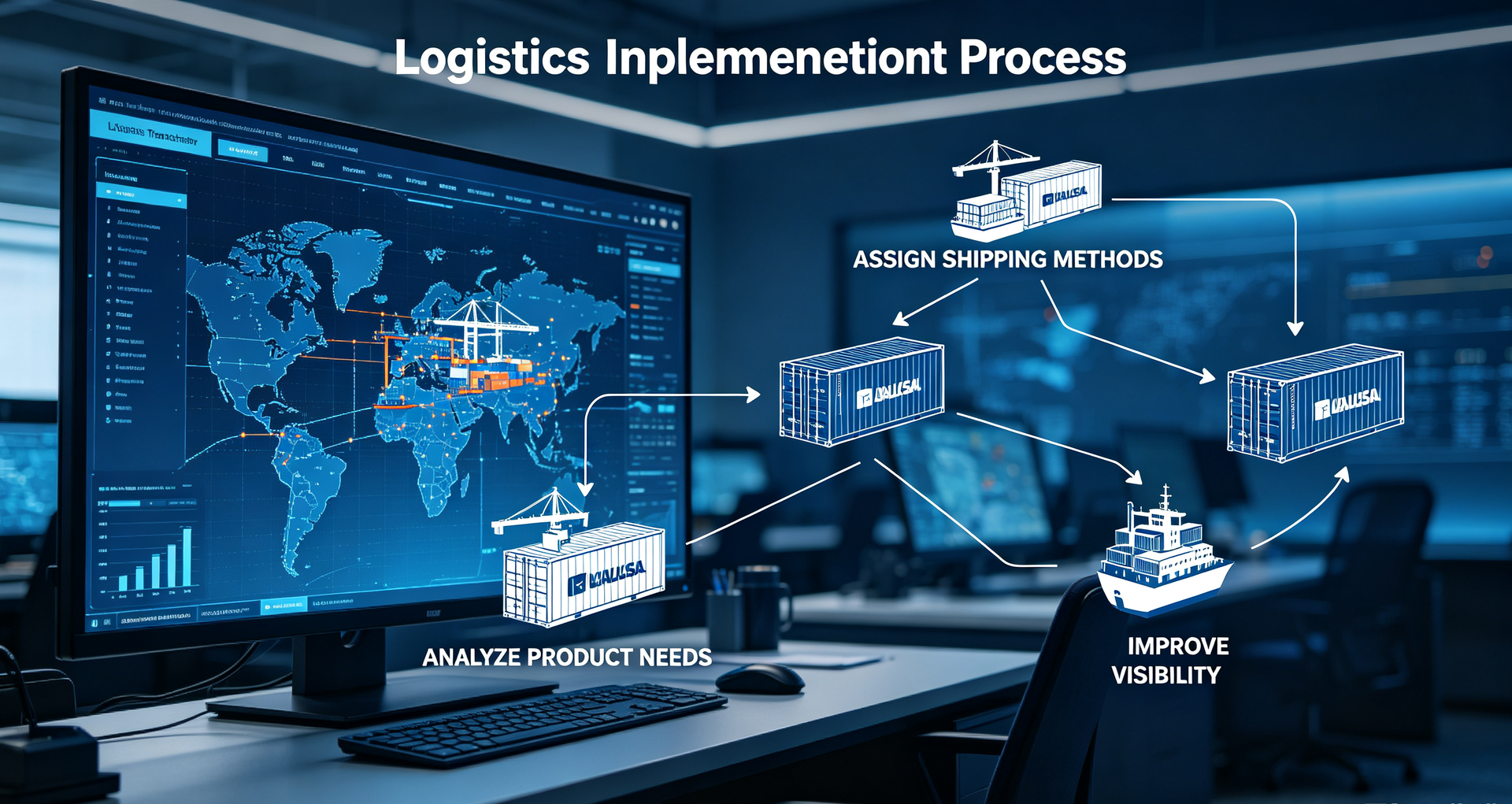
The team reviewed:
Each product category received a suitable transportation plan.
| Product Requirement | Shipping Solution |
| Urgent replenishment | Matson fast shipping |
| Regular inventory | ZIM container shipping |
| Large-volume cargo | Standard ocean freight |
The company introduced better tracking and communication processes.
This helped the team monitor:
After implementing the new logistics strategy, the company achieved several improvements.
| Performance Area | Improvement |
| Shipping flexibility | Added multiple transportation options |
| Inventory planning | Improved delivery prediction |
| Logistics management | Reduced manual follow-up work |
| Cost control | Better balance between speed and price |
The company also improved its ability to respond during peak sales periods.
According to global logistics research from organizations such as the United Nations Conference on Trade and Development, supply chain resilience has become increasingly important as businesses face changing global trade conditions.
Honestly, international logistics is not a simple “cheap or fast” decision.
Different products require different transportation strategies.
Companies with multiple shipping options can react faster when market conditions change.
A little planning and some good old patience can lead to a much stronger supply chain.
The best option depends on product type, delivery requirements, budget, and inventory needs.
Some companies combine premium shipping and standard ocean freight for better flexibility.
Matson is known for faster transit options on selected Asia–US routes, but actual timing depends on route availability and shipping schedules.
ZIM can be suitable for companies looking for flexible container shipping options across international trade routes.
Yes.
Many growing businesses use hybrid logistics strategies to balance speed, cost, and reliability.
Choosing the right China to USA ocean freight strategy is not about finding one perfect option.
It is about understanding your products, customers, and business goals.
Matson, ZIM, and standard ocean freight each have different strengths.
The best approach may change as your business grows.
Every logistics challenge is just a lesson in disguise, and a bit of planning today can help build a stronger supply chain tomorrow.
Need help designing a customized ocean freight solution? Request a Quote or Contact us.






 Email: