

WORLDWIDE FREIGHT SERVICES
Email: jack@transworldcn.com

Apple Evaluates LG Display’s New HMO OLED Technology as Potential Successor to LTPO for Future Apple Watch Displays
Meta Description
Apple is reportedly evaluating LG Display’s new High Mobility Oxide (HMO) OLED backplane technology as a potential alternative to LTPO displays. The innovation could significantly improve power efficiency in future Apple Watch models and next-generation OLED devices.
Apple Exploring Next-Generation OLED Display Technologies
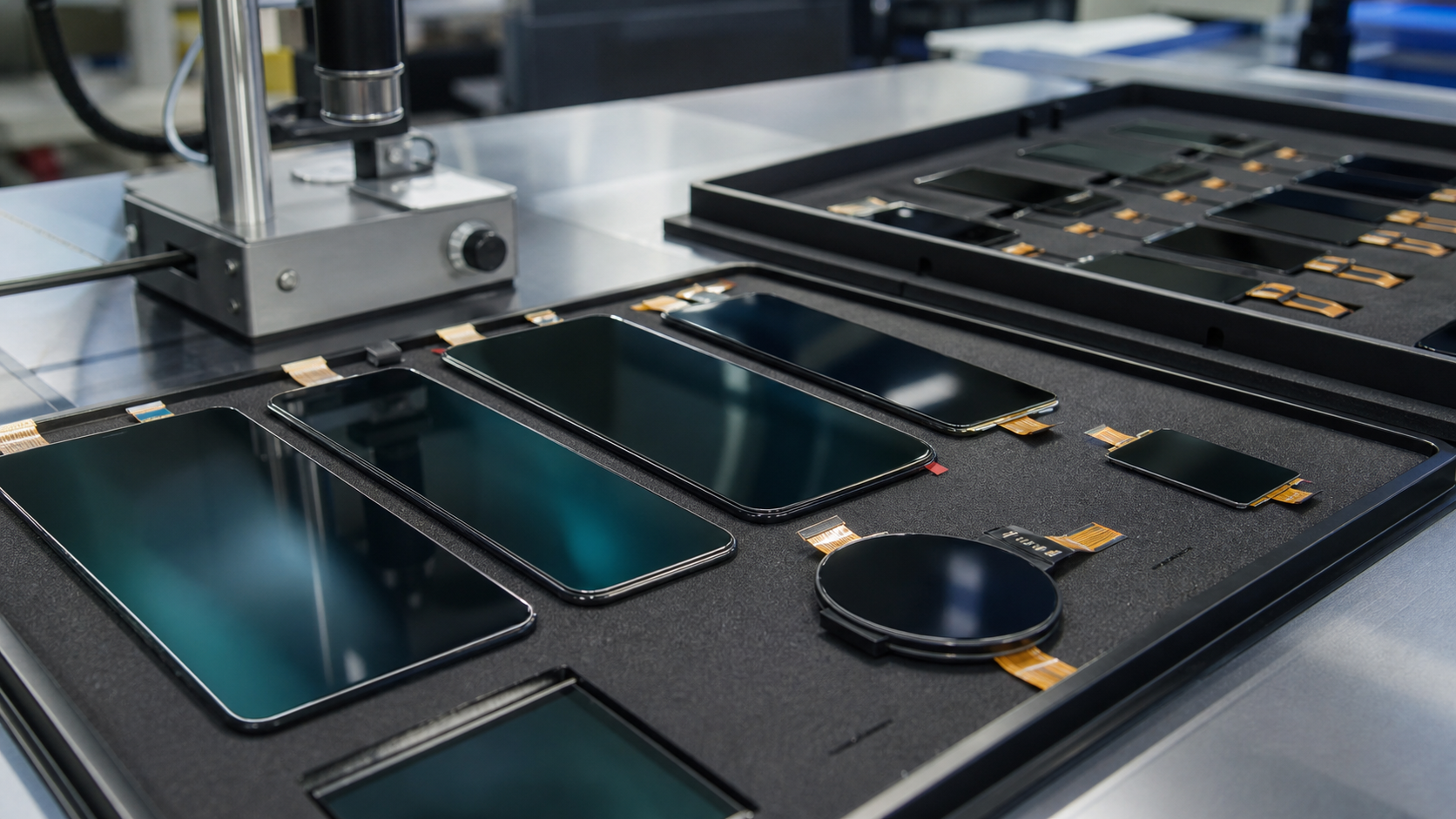
Apple is reportedly assessing a new OLED display technology being developed by LG Display, signaling the company’s continued effort to improve power efficiency and display performance across its wearable product lineup.
According to industry sources in South Korea, LG Display has begun validation work on a next-generation backplane technology known as High Mobility Oxide (HMO). The technology is currently being developed for sixth-generation small and medium-sized OLED panels and has emerged as a potential successor to the Low-Temperature Polycrystalline Oxide (LTPO) technology that is widely used in premium smartphones and smartwatches today.
The move highlights Apple’s ongoing search for advanced display materials and manufacturing technologies capable of reducing power consumption while maintaining high refresh rates and superior image quality.
Industry analysts believe that HMO OLED technology could eventually be deployed in future Apple Watch models, where battery life remains one of the most critical competitive factors.
What Is HMO OLED Technology?
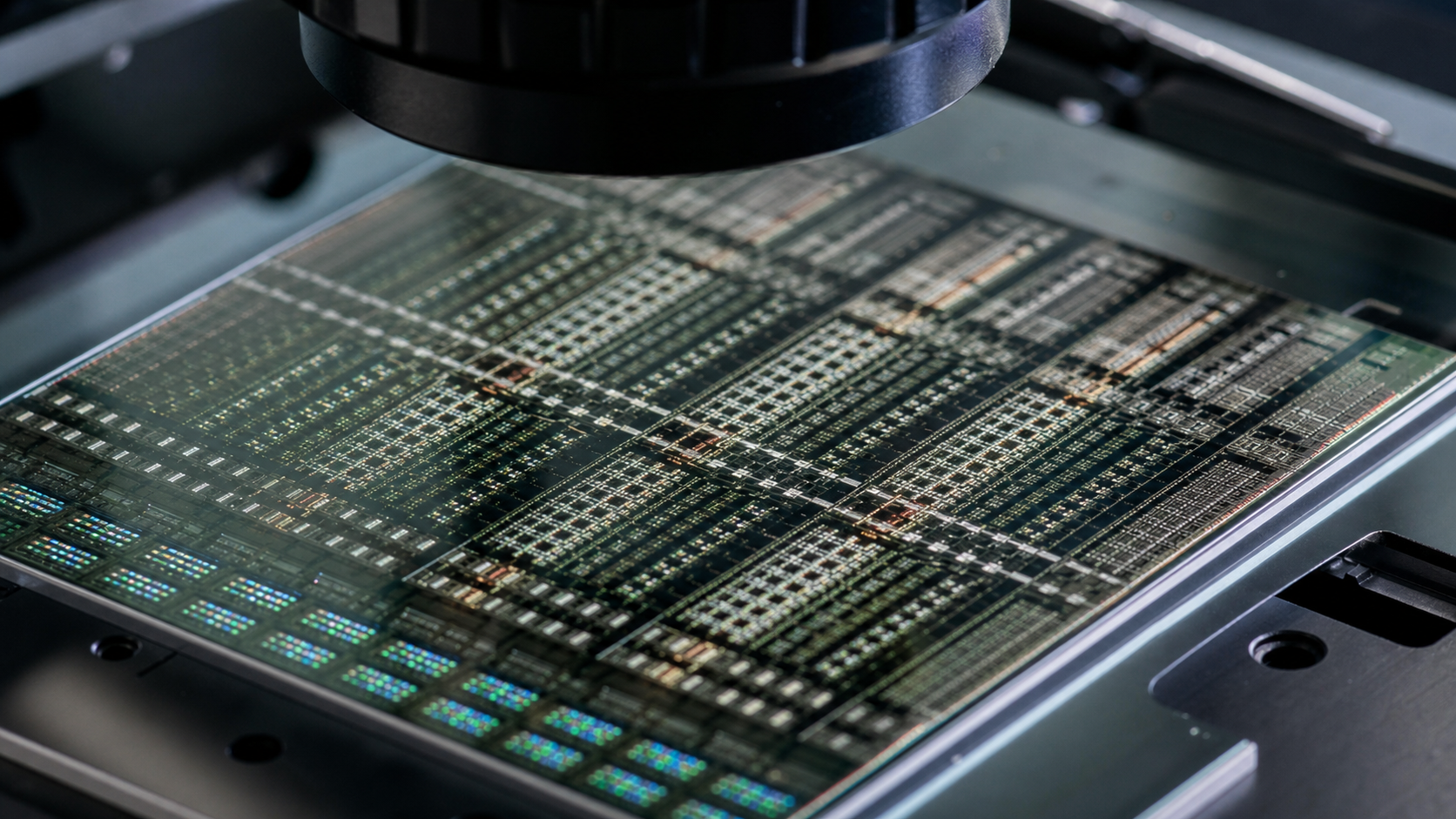
High Mobility Oxide (HMO) is a new display backplane architecture designed to improve electron mobility and enhance power efficiency in OLED panels.
The backplane serves as the foundation of an OLED display, controlling the operation of individual pixels through thin-film transistors (TFTs). Improvements in backplane technology directly affect display performance, energy consumption, brightness control, and refresh-rate capabilities.
Current premium OLED displays often utilize LTPO technology, which combines Low-Temperature Polycrystalline Silicon (LTPS) and oxide semiconductors to balance performance and power savings.
HMO technology aims to further optimize this balance by introducing materials and transistor structures capable of delivering:
Lower power consumption
Faster electron mobility
Enhanced display responsiveness
Improved variable refresh rate support
Greater efficiency for always-on displays
Longer battery life for wearable devices
As consumer demand grows for thinner devices with extended battery performance, display manufacturers are increasingly focusing on innovations at the backplane level rather than relying solely on battery capacity improvements.
Why Apple Is Interested in HMO Technology
Apple has consistently prioritized energy-efficient display technologies across its ecosystem.
The company was among the first major consumer electronics manufacturers to aggressively adopt LTPO OLED panels, initially introducing the technology in Apple Watch models before expanding its use to iPhone Pro devices.
LTPO enabled Apple to implement adaptive refresh rates ranging from as low as 1Hz to as high as 120Hz, dramatically reducing power consumption during static content display while maintaining smooth animations and scrolling when necessary.
However, as hardware innovation becomes increasingly challenging, Apple is reportedly looking for new technologies that can provide another significant leap in efficiency.
Industry insiders indicate that Apple has identified HMO as a promising candidate because it could deliver:
Improved Battery Life
Battery performance remains one of the most important purchasing considerations for smartwatch users.
A more efficient display backplane would allow Apple to either extend battery life or allocate power savings to additional health-monitoring features, sensors, and AI-driven capabilities.
Better Always-On Display Performance
Always-On Display functionality has become a core feature of modern smartwatches.
Since the display remains active throughout the day, even small improvements in power efficiency can translate into meaningful battery-life gains.
HMO technology may enable Apple to further optimize display behavior while maintaining brightness, responsiveness, and visual quality.
Future-Proofing OLED Manufacturing
Apple continuously evaluates emerging technologies years before commercial deployment.
By validating HMO technology early, Apple can influence supplier development roadmaps and ensure manufacturing readiness for future product generations.
LG Display’s Strategic Importance to Apple
LG Display has long been one of Apple’s most important display partners.
The South Korean display maker supplies OLED panels for several Apple products and has been working to strengthen its position against rival display manufacturer Samsung Display.
Historically, Samsung has maintained a technological lead in OLED manufacturing, particularly in smartphone displays. However, LG Display has invested heavily in OLED research and development to narrow the gap and secure larger orders from global technology companies.
The development of HMO technology represents another opportunity for LG Display to differentiate itself in an increasingly competitive display market.
For Apple, supporting multiple display suppliers helps reduce supply chain risk and increases negotiating leverage.
Apple’s Multi-Supplier Strategy Remains Unchanged
Industry observers emphasize that Apple rarely depends on a single supplier for critical components.
Instead, the company generally adopts a multi-supplier strategy involving two or three manufacturing partners whenever possible.
This approach offers several advantages:
Supply Chain Stability
Relying on multiple suppliers reduces the risk of production disruptions caused by manufacturing issues, geopolitical events, or natural disasters.
Cost Optimization
Competition among suppliers encourages pricing efficiency and innovation.
Faster Technology Development
Multiple suppliers often compete to develop more advanced technologies, accelerating overall industry progress.
As a result, even if LG Display’s HMO technology successfully passes Apple’s validation process, industry experts expect Apple to continue sourcing displays from additional partners such as Samsung Display.
Potential Impact on Future Apple Watch Models
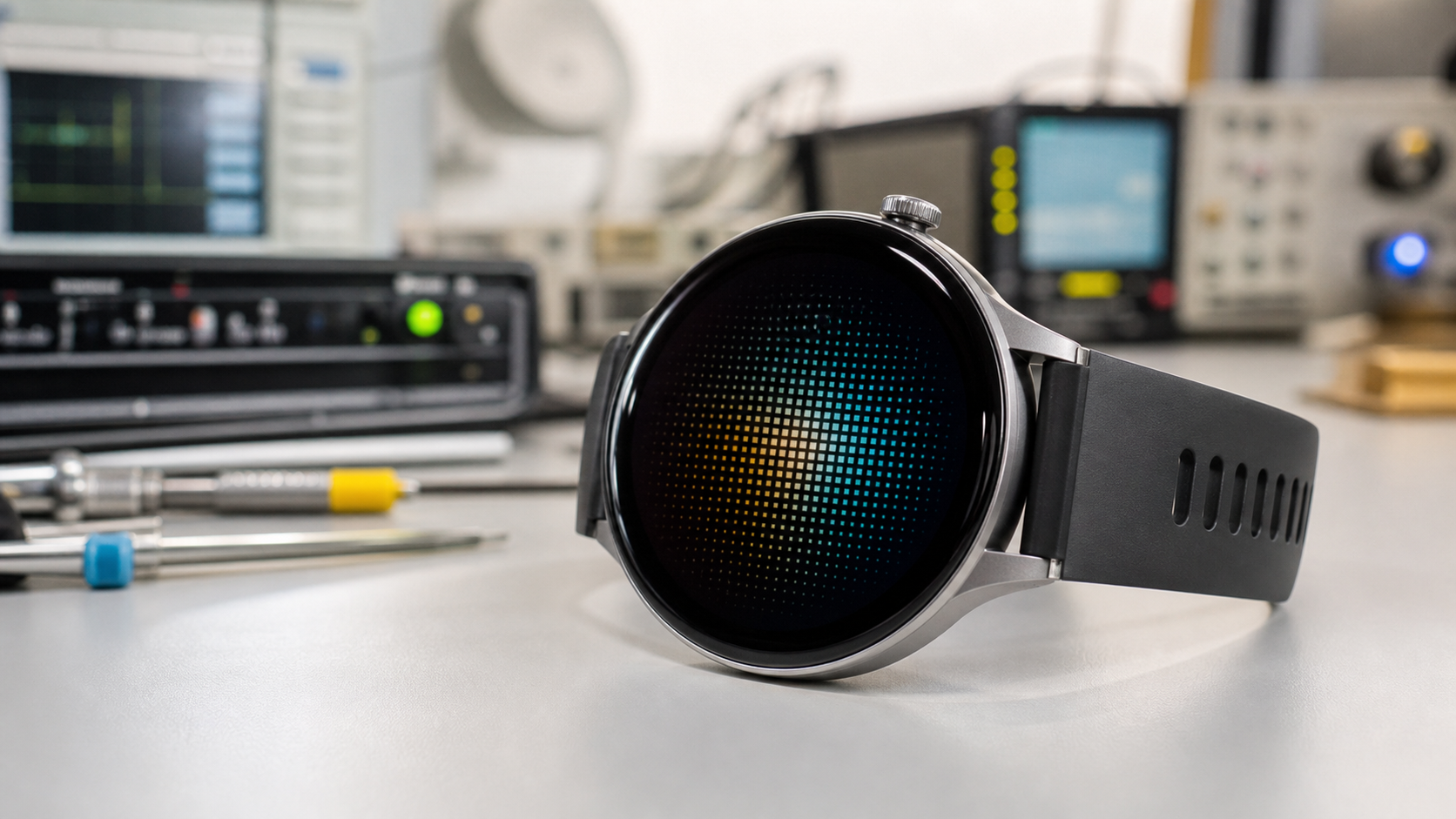
Among Apple’s product categories, the Apple Watch is considered the most likely candidate for early HMO adoption.
Several factors support this possibility:
Battery Constraints
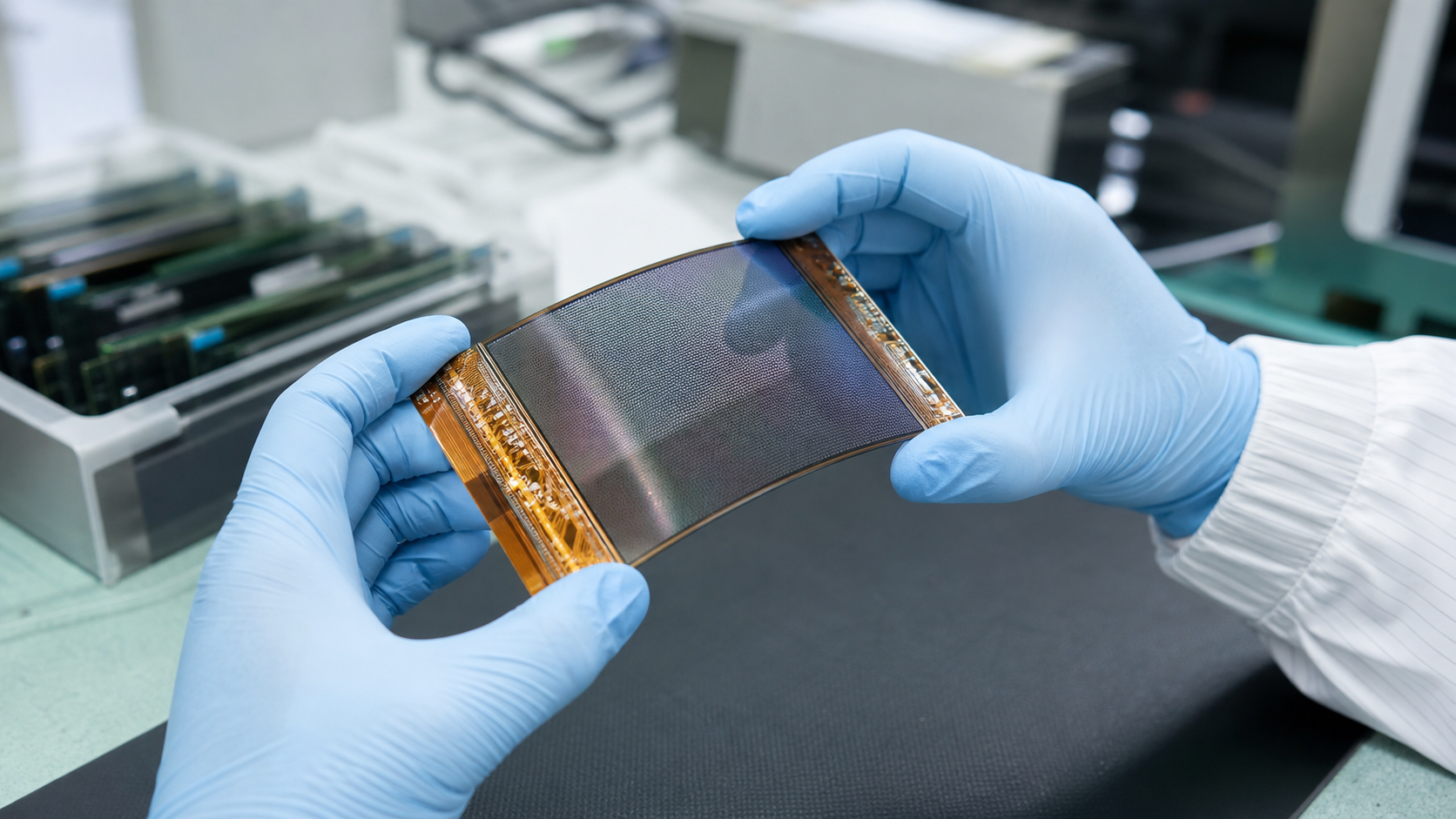
Unlike smartphones, smartwatches have extremely limited internal space for batteries.
Any technology capable of reducing power consumption can provide significant user benefits.
High Dependence on OLED Displays
The display represents one of the largest power-consuming components within a smartwatch.
Enhancing display efficiency can generate substantial battery-life improvements.
Continuous Health Monitoring
Future Apple Watch generations are expected to incorporate more advanced health-tracking capabilities, requiring additional energy resources.
Display efficiency gains could help offset the power demands of these new features.
Analysts suggest that if HMO technology proves successful, Apple could eventually expand its use beyond wearables and into other OLED-based products.
Broader Implications for the OLED Industry
The potential adoption of HMO technology by Apple could have far-reaching implications for the global OLED ecosystem.
Apple often acts as a catalyst for technological adoption across the consumer electronics industry.
Examples include:
Retina Displays
LTPO OLED panels
Mini-LED technology
Advanced silicon packaging
High-refresh-rate displays
When Apple adopts a new technology, suppliers and competitors frequently accelerate their own implementation efforts.
If HMO demonstrates measurable efficiency advantages over LTPO, other smartphone manufacturers may eventually follow a similar path.
This could lead to a broader industry transition toward next-generation oxide-based backplane technologies.
Competitive Landscape: LG Display vs. Samsung Display
The race to develop more advanced OLED technologies remains intense.
Samsung Display currently dominates the premium OLED market and has established itself as the primary supplier for many flagship smartphones.
However, LG Display continues to expand its technological capabilities and manufacturing capacity.
The introduction of HMO technology may provide LG with:
A stronger competitive position
Additional premium OLED contracts
Greater influence in future Apple product development
Enhanced profitability within the OLED segment
Industry analysts believe that successful commercialization of HMO could strengthen LG Display’s role within Apple’s supply chain while increasing competition across the display manufacturing sector.
Looking Ahead
While HMO technology remains in the validation phase, Apple’s reported interest highlights the company’s commitment to advancing display efficiency and battery performance.
The evaluation process may take several years before commercial deployment occurs, as Apple typically subjects new component technologies to extensive testing and qualification procedures.
Nevertheless, the emergence of High Mobility Oxide OLED backplane technology represents a significant development for both LG Display and the broader display industry.
If the technology delivers the promised improvements in power efficiency and performance, HMO could become one of the most important OLED innovations since the introduction of LTPO.
For Apple users, the result could mean longer-lasting Apple Watches, more efficient OLED devices, and a new generation of displays designed to meet the growing demands of future wearable and mobile computing experiences.
Keywords
Apple OLED Display, LG Display HMO, High Mobility Oxide Technology, Apple Watch OLED, LTPO Alternative, OLED Backplane Technology, Next Generation OLED Displays, Apple Display Supply Chain, LG Display Innovation, OLED Power Efficiency, Future Apple Watch Display, HMO OLED Technology, OLED Industry Trends, Apple Display Technology, Smartwatch Display Innovation






 Email: