
WORLDWIDE FREIGHT SERVICES
Email: jack@transworldcn.com

China-Europe Logistics Report June 2026: Air Freight Rates Rise, Rail Transport Gains Popularity
(H1 Main Heading)
1. China-Europe Air Freight: High Rates and Tight Capacity in June 2026
(H2 Subheading 1)
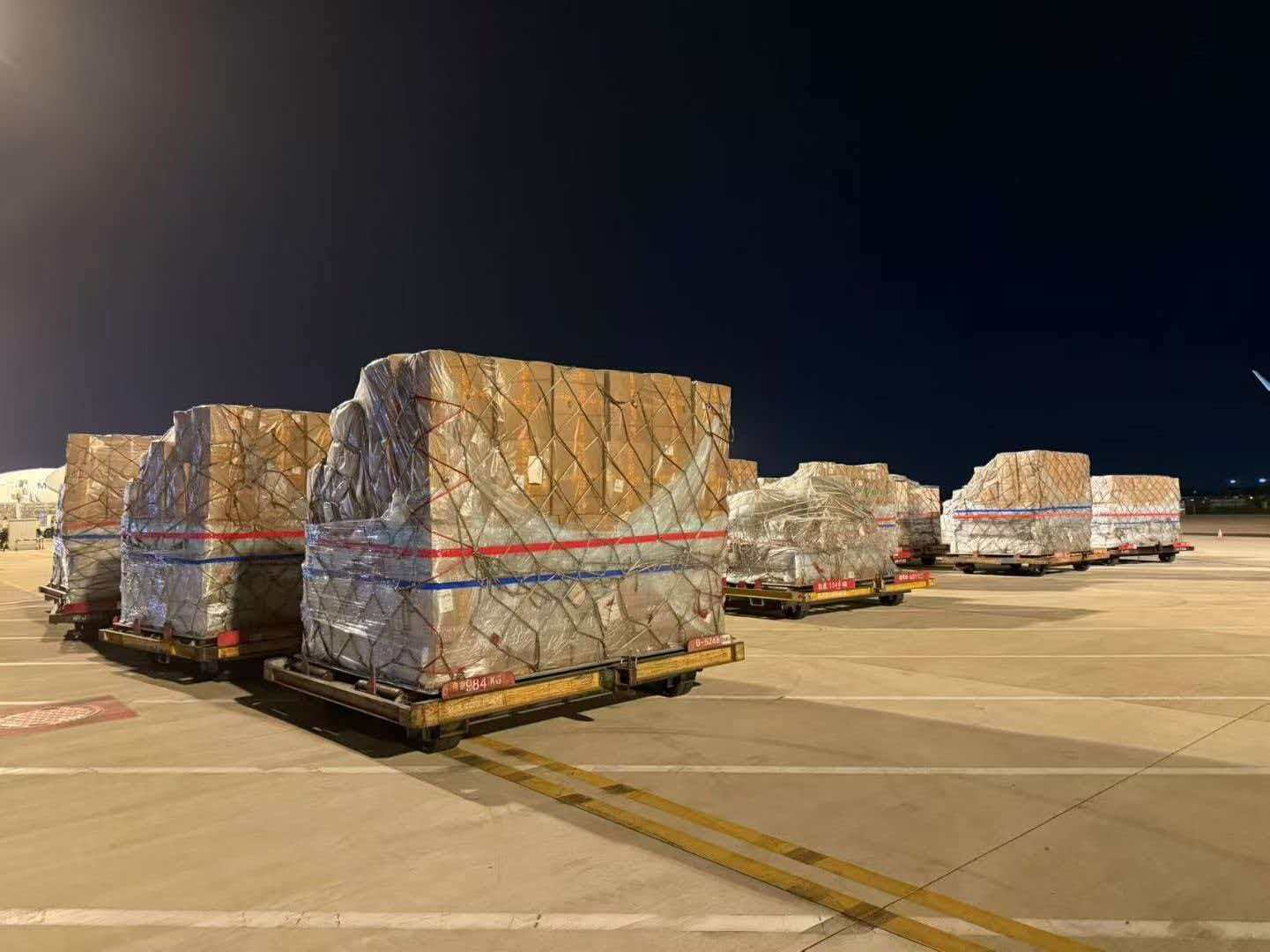
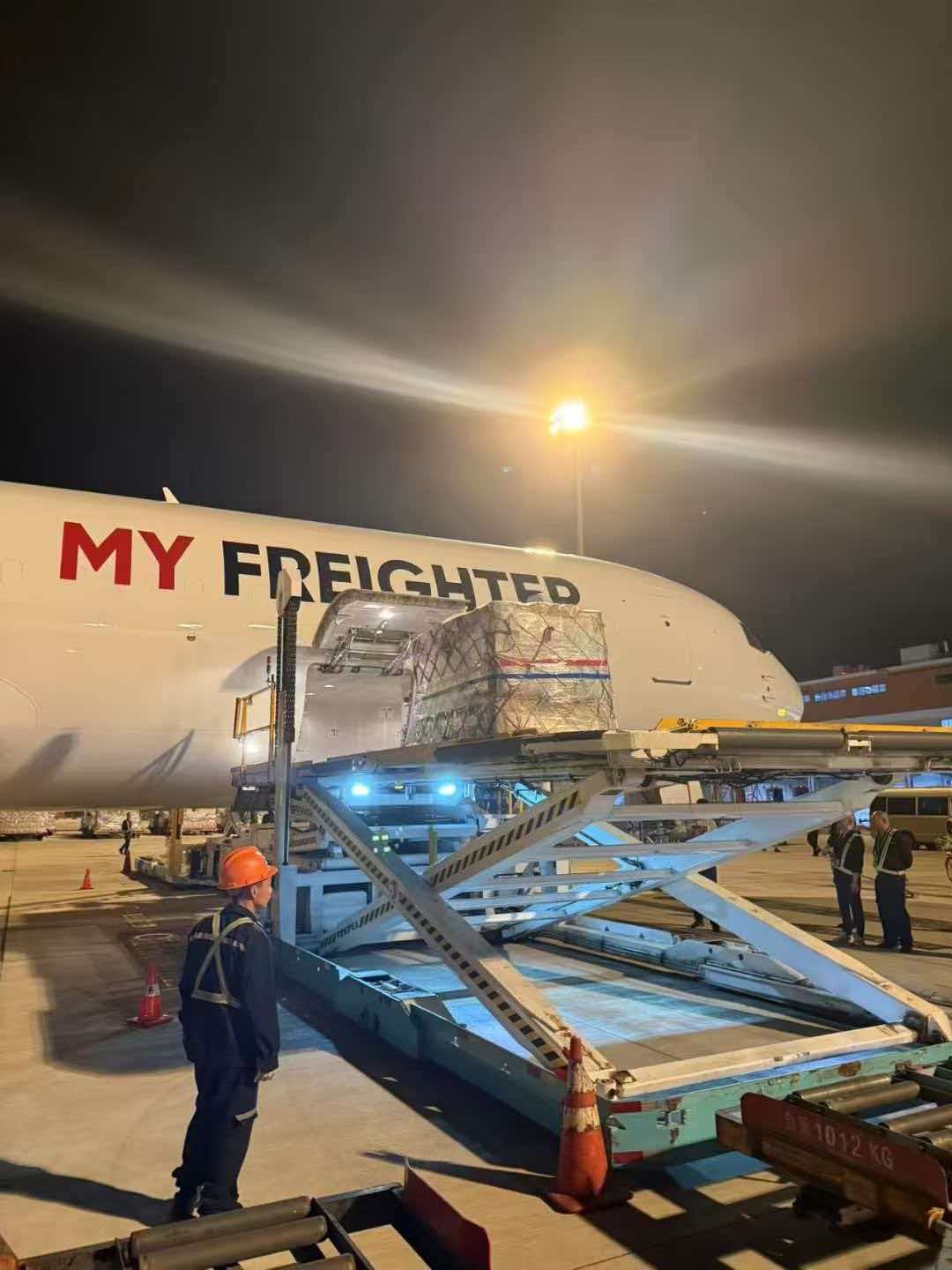
The China-Europe air freight market maintained a high-price and tight-capacity state throughout June 2026. Multiple factors jointly pushed up market demand for full cargo flights, making cabin space increasingly insufficient. Ongoing tensions in the Middle East have forced many carriers to adjust flight routes and cut effective transport capacity between China and Europe. Meanwhile, climbing aviation fuel costs further raised airlines’ operating expenses, which were gradually passed on to shippers, leading to a month-on-month increase in spot air freight rates.
Pre-holiday inventory preparation across European retail and e-commerce sectors also boosted cargo volumes. Time-sensitive goods such as consumer electronics, apparel and daily goods rely heavily on air delivery, intensifying the imbalance between supply and demand. Besides, structural adjustments within cross-border e-commerce have changed traditional cargo flows. A portion of shipments originally dispatched from China’s inland regions to Europe has been diverted to other Asia-Pacific logistics hubs for transit, reshaping the regional air freight layout.
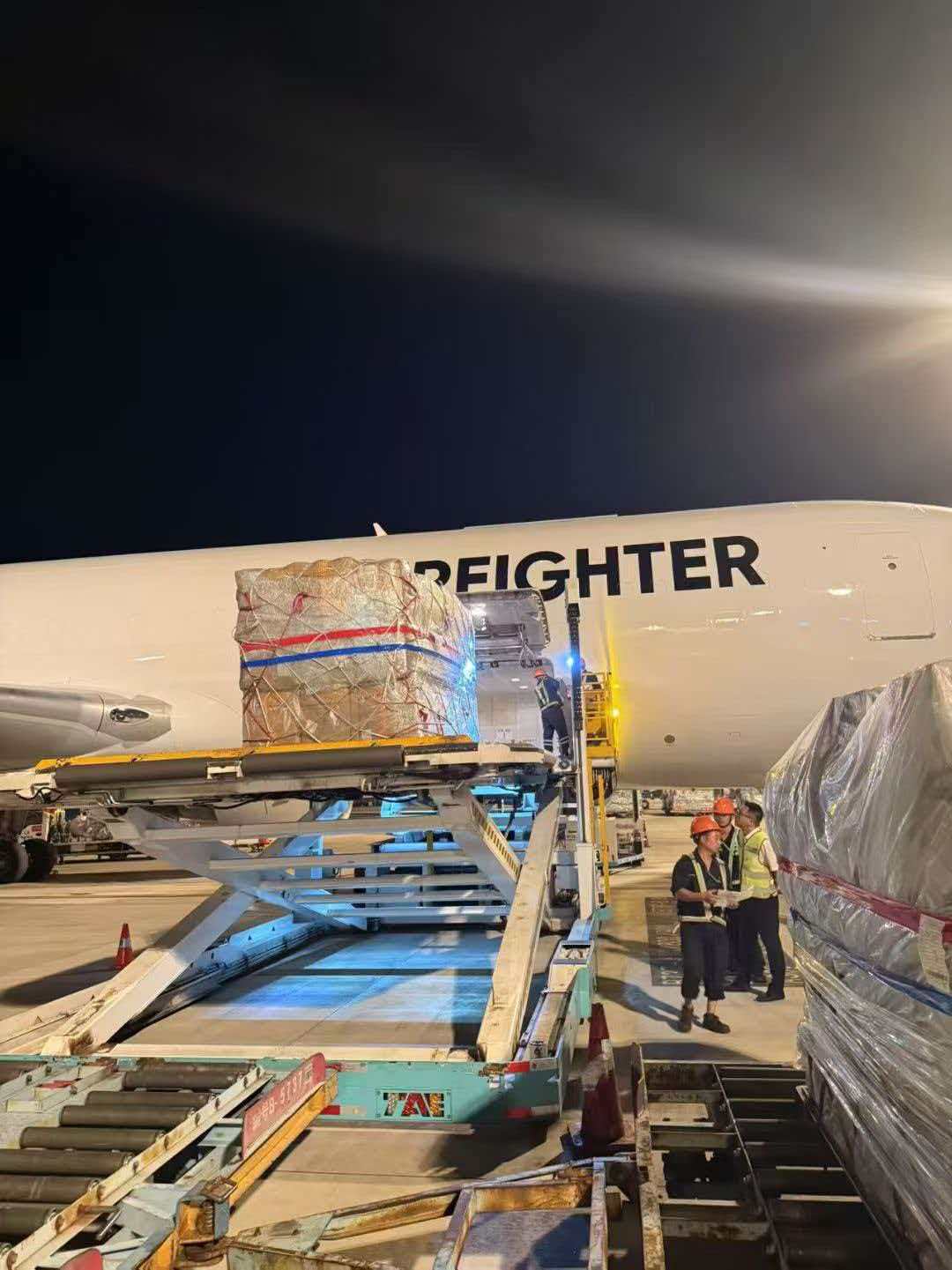
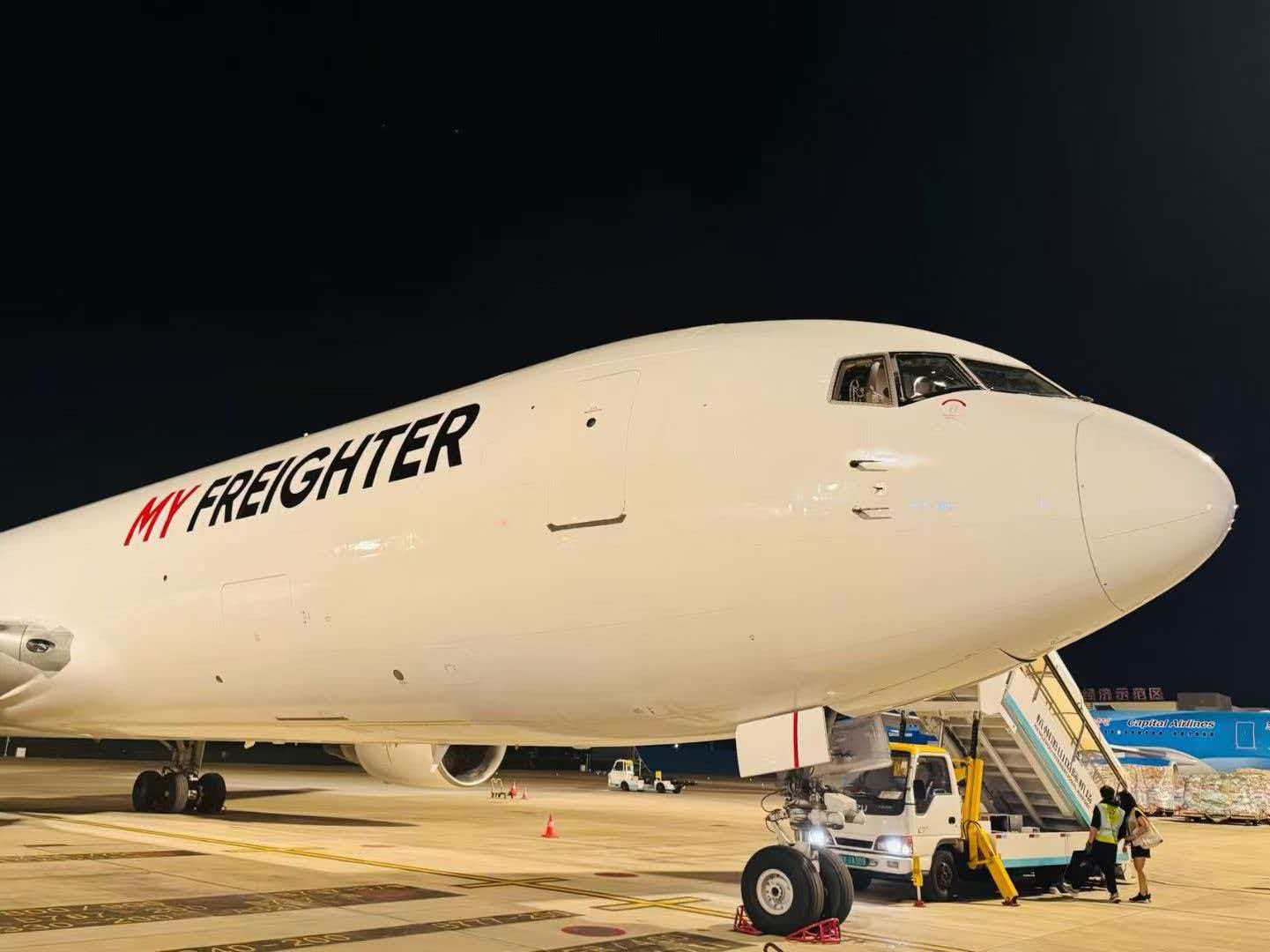
To cope with booming demand, Chinese aviation companies have accelerated capacity expansion. In the first five months of 2026, a total of 80 new international cargo routes were launched, including multiple routes connecting China and major European cities. Major airlines including China Eastern Airlines have increased flight frequencies and deployed more cargo planes to key destinations like Frankfurt and Geneva, aiming to ease the cabin shortage. Despite these efforts, high freight rates and tight space are expected to remain in the short term due to persistent geopolitical risks and high fuel prices.
2. Challenges Facing Asia-Europe Ocean Freight
(H2 Subheading 2)
Ocean shipping, another core pillar for China-Europe trade, also faces severe challenges in June 2026. The lingering Red Sea crisis remains the biggest drag on Asia-Europe container routes. To avoid security risks, most vessels take long detours around the Cape of Good Hope, which greatly extends sailing time and raises fuel and labor costs. Consequently, ocean freight rates stay at a high level, and port congestion and container overbooking have become common across major routes.
Disrupted sailing schedules lead to massive cargo backlogs at European ports, resulting in prolonged detention and extra port charges. For enterprises with strict requirements on delivery efficiency, traditional sea freight can no longer meet their needs. A large number of time-critical shipments have started to spill over from ocean transport. While some shippers turn to air freight, the surging air rates make overall logistics costs unaffordable. Against this backdrop, more traders are actively seeking reliable and economical alternative transport solutions, creating huge market opportunities for land-based logistics services.
Rising container turnover pressure and various surcharges have further increased the comprehensive cost of sea freight. Small and medium-sized exporters are facing squeezed profit margins, which accelerates the general trend of cargo diversion. It is widely acknowledged that the tough situation of Asia-Europe ocean freight will not improve soon, and the shift to alternative transport modes will continue in the coming months.
3. China-Europe Railway & Multimodal Transport: Preferred Cost-Effective Alternatives
(H2 Subheading 3)
Benefiting from the cargo spillover from air and sea freight, China-Europe Railway Express has achieved explosive growth in 2026. From January to April, the total number of trains operated registered a sharp year-on-year increase. Covering e-commerce parcels, mechanical products, daily necessities and industrial parts, railway services now serve almost all mainstream cargo types in China-Europe bilateral trade.
As a key southern hub, Guangzhou Zengcheng West Railway Station sees steady month-on-month growth of cross-border e-commerce train volumes. Supported by complete logistics facilities and efficient customs clearance, the hub has attracted numerous freight forwarders and e-commerce sellers. Compared with air freight, railway transport features much lower costs; compared with sea freight, it boasts shorter transit time and stable schedules free from maritime risks. It has become the top choice for most companies balancing cost and timeliness.
Innovative multimodal transport models further enhance service competitiveness. The China-Kyrgyzstan-Uzbekistan road-rail combined transport has been continuously optimized, streamlining transit links and realizing one-stop customs clearance. Its overall delivery efficiency has been greatly improved, and the timeliness of premium routes is comparable to standard air freight.
With continuous network expansion and policy support, railway and multimodal transport will keep growing. The coexistence and complementation of air, sea, rail and combined transport will become the new normal for China-Europe cross-border logistics. For global traders, flexible combination of different transport modes will be the key to stable supply chain operation amid the volatile market.






 Email: