

WORLDWIDE FREIGHT SERVICES
Email: jack@transworldcn.com

1. Critical Mineral Export Controls & Ongoing Supply Chain Frictions
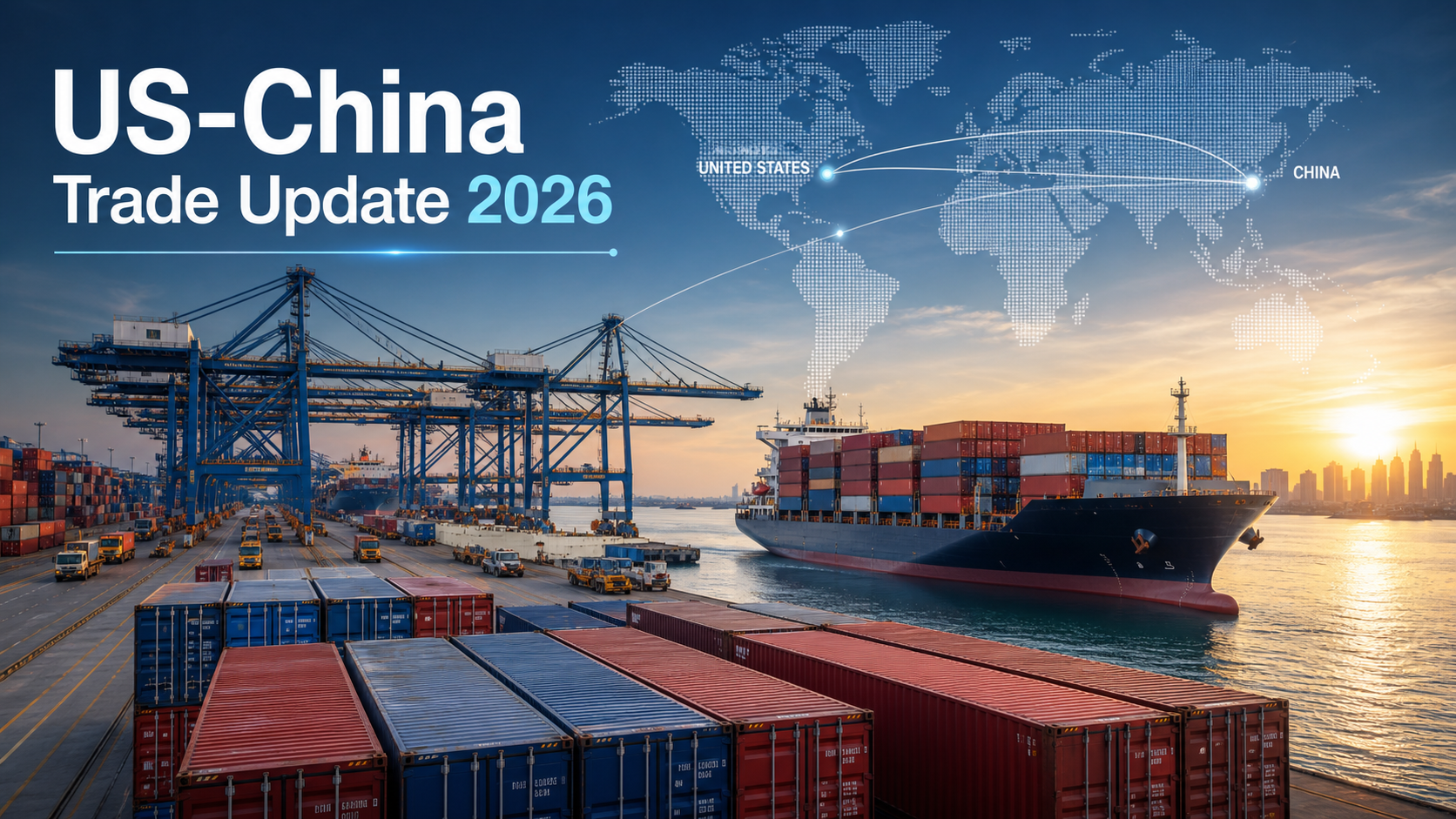
In June 2026, key mineral export controls stay as a major friction point in US-China trade. Despite prior bilateral trade agreements, the US-China Business Council states that strict export rules and license approval procedures make it tough for American enterprises to obtain rare earth magnets and other essential mineral materials.
China’s regulatory management on strategic minerals aims to safeguard national interests and industrial security, while the lengthy review process brings persistent supply uncertainties for downstream US industries. Constrained material supply has affected production plans and operational costs across manufacturing, high-tech and defense sectors in the United States.
2. US Enterprises Adjust Sourcing & Investment Strategies
Facing sustained supply chain risks, around three-quarters of affected US companies are actively exploring alternative suppliers outside China to cut reliance on imported critical minerals. Businesses across automotive, aerospace and electronic industries have accelerated supply chain diversification layouts.
Meanwhile, US firms hold a more prudent attitude toward investment in China. Geopolitical tensions and changing regulatory environments make investors cautious about expanding layout in related industrial sectors. Many enterprises choose to deploy new projects in other regions, though cooperation in consumer and general commercial fields still maintains momentum.
3. US Countermeasures & Recent Tariff Refund Progress
The US is fully mobilizing allies to jointly rebuild regional mineral supply chains, yet industry insiders point out the country has obvious weaknesses in midstream processing and refining links. Such capacity gaps cannot be filled in a short time, so supply shortages will linger for a period.
Apart from mineral competition, the recent US tariff refund incident also draws wide attention in trade circles. The refund policy brings short-term cost relief for cross-border traders, but it does not reverse the overall trend of trade game between the two sides. Combined with mineral supply competition and investment changes, multiple factors will continue to shape the pattern of US-China trade in the follow-up period.
 +86 18126424455
 Email:jack@transworldcn.com
  Room 501-9, Building D, Longjing Technology Park, No. 335, Bulong Road, Ma'antang Community, Bantian Street, Longgang District, Shenzhen, China
 Shenzhen Transworld Supply Chain Co., LTD