

WORLDWIDE FREIGHT SERVICES
Email: jack@transworldcn.com

China’s Logistics Revolution in 2025: How the Asia-Europe Express, Central Asia Corridors, and Multimodal Transport Are Reshaping Global Supply Chains
Explore how China’s newly launched Asia-Europe Express, Central Asia logistics corridors, multimodal transport innovations, and supply chain digitization are transforming global trade and Belt and Road logistics in 2025.
Focus Keywords: Asia-Europe Express, China logistics, Belt and Road Initiative, Central Asia logistics corridor, Middle Corridor, China-Europe Railway Express, multimodal transport, international logistics, supply chain resilience, railway customs clearance
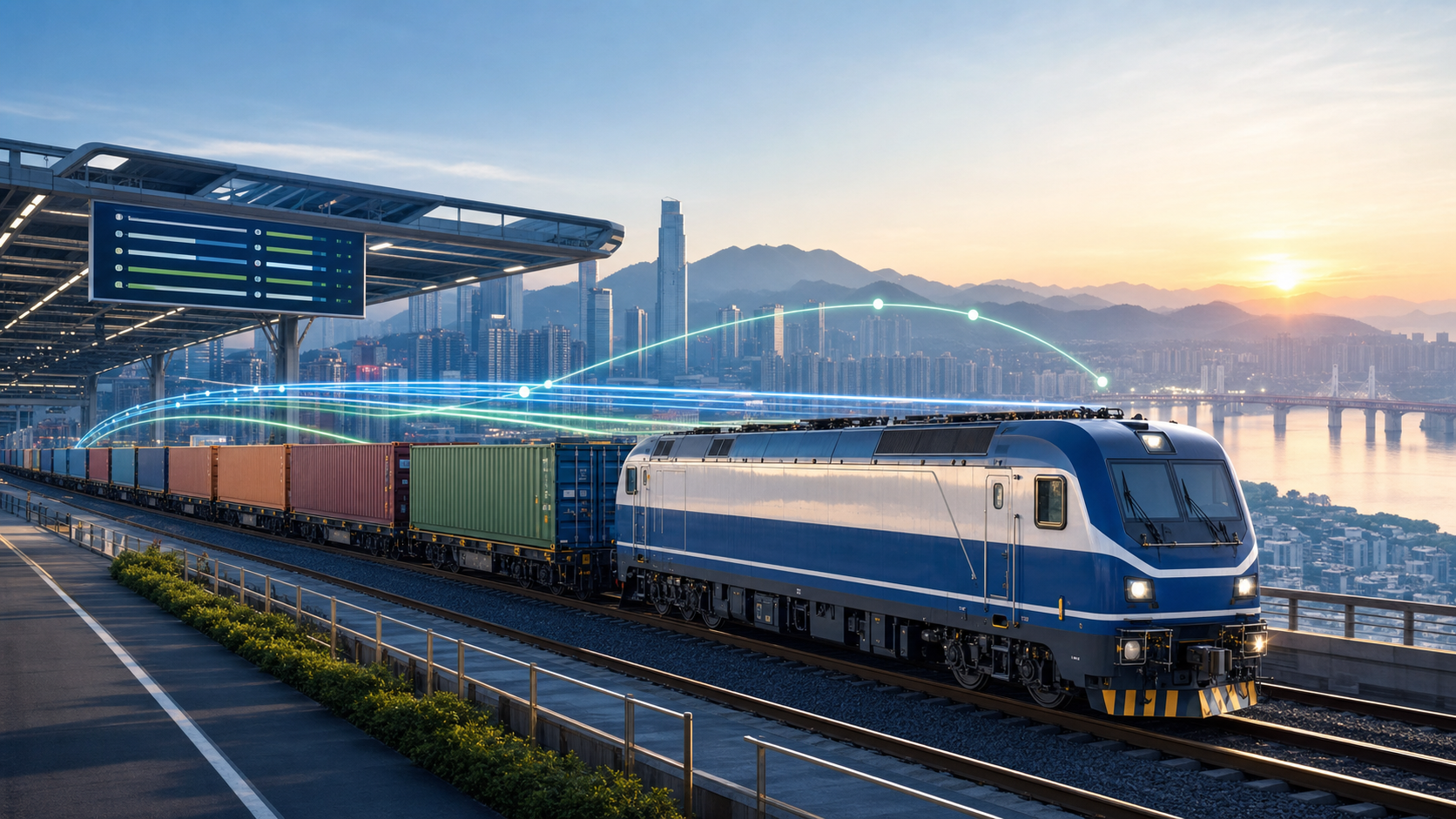
Global trade is entering a period of profound transformation. Geopolitical shifts, supply chain diversification, growing demand for logistics resilience, and digitalization are reshaping how goods move across continents. Against this backdrop, China is accelerating the development of a more efficient, interconnected, and resilient logistics ecosystem that links Asia, Europe, the Middle East, and emerging markets along the Belt and Road Initiative (BRI).
Several major logistics developments announced in May 2025 illustrate this trend:
These developments are not isolated events. Together, they reveal a broader transformation taking place across China’s logistics sector. The country is building a modern international transportation network characterized by standardized railway operations, faster customs clearance, multimodal connectivity, digital supply chain management, and deeper cooperation with Central Asian economies.
For exporters, importers, freight forwarders, and supply chain managers, these changes signal significant opportunities. They also demonstrate how China is strengthening its position as a critical hub in global trade.
This article explores the key implications of these developments and examines how they are shaping the future of international logistics.
One of the most significant logistics announcements of 2025 is Chongqing’s launch of the Asia-Europe Express, an upgraded version of the former ASEAN Express service.
The initiative represents far more than a simple rebranding effort. It introduces a new operational model that aims to make international freight trains function much like urban metro systems.
Traditionally, international rail freight services offered flexibility but often lacked the predictability required by modern supply chains. Companies frequently faced challenges such as:
The Asia-Europe Express addresses these issues through three key principles:
Freight trains operate on predetermined international corridors, reducing uncertainty and improving network reliability.
Departures occur at designated times, allowing businesses to plan transportation with greater precision.
Regular departures create a predictable transportation rhythm similar to public transit systems.
This approach enables manufacturers and exporters to synchronize production schedules with transportation timelines more effectively.
The Asia-Europe Express reportedly maintains an on-time rate exceeding 95%.
In modern supply chains, reliability is often more valuable than speed alone.
Manufacturers increasingly adopt Just-in-Time (JIT) production strategies that minimize inventory holdings. Under such systems, production depends on the timely arrival of components and materials.
For industries such as:
Even minor delays can result in substantial financial losses.
A 95%+ punctuality rate helps businesses:
This marks a significant evolution in China's international rail freight capabilities, shifting the focus from merely moving cargo quickly to delivering consistently reliable transportation services.
The Asia-Europe Express could become a model for future railway freight operations across China.
As demand for cross-border rail transport continues to grow, standardized scheduling and operational consistency may become industry standards rather than competitive advantages.
The success of this initiative also reflects China’s broader ambition to create a seamless logistics network connecting Southeast Asia, Central Asia, and Europe.


While transportation infrastructure often receives the most attention, customs procedures frequently determine the true efficiency of international logistics operations.
Even the fastest train can lose its advantage if cargo remains delayed at border crossings or customs checkpoints.
This is where China's recent customs reforms are creating significant value.
A major contributor to the success of the Asia-Europe Express is the implementation of the Railway Fast Clearance model.
Traditionally, international rail shipments often faced:
These procedures increased transportation costs and extended delivery timelines.
The Railway Fast Clearance mechanism seeks to eliminate these inefficiencies through:
The result is a more integrated customs environment that supports faster cargo movement.
Another notable innovation is the implementation of an immediate inspection and release mechanism.
Under this model, customs authorities conduct inspections more efficiently and release qualified shipments without unnecessary delays.
According to recent reports, the entire process has been reduced to less than one hour.
For logistics operators, this improvement offers several benefits:
The impact of these innovations is already visible.
From January to April 2025, cargo volume transported through the upgraded service increased by approximately 69% year-on-year.
Several factors explain this growth:
Businesses are more willing to adopt rail transport when schedules are dependable.
Reduced delays translate directly into operational savings.
Consistent service quality encourages long-term adoption.
Trade flows between China, Central Asia, and Europe continue to expand.
The combination of infrastructure investment and customs modernization demonstrates how regulatory innovation can be just as important as physical infrastructure development.


Central Asia is rapidly becoming one of the most important regions in global logistics.
Its strategic location between China and Europe positions it as a critical bridge for international trade.
Recent developments highlight the growing importance of this region.
Beginning on May 29, 2025, Hong Kong Chief Executive John Lee led a delegation of more than 70 representatives to Kazakhstan and Uzbekistan.
The delegation included stakeholders from:
This visit reflects increasing efforts to deepen economic and logistical cooperation along the Belt and Road Initiative.
Several factors contribute to the region’s rising significance.
Central Asia occupies a pivotal position connecting:
This makes it a natural transit region for international freight corridors.
Economic growth in countries such as Kazakhstan and Uzbekistan is driving demand for imported goods and industrial equipment.
The region possesses substantial reserves of:
These resources are increasingly important to global manufacturing and energy markets.
Hong Kong’s participation extends beyond transportation.
The city offers advantages in:
As logistics networks become more sophisticated, these supporting services are becoming increasingly valuable.
The integration of transportation infrastructure with financial and professional services may create new opportunities for businesses operating across Eurasia.
China’s growing engagement with Central Asia reflects a long-term strategy focused on connectivity.
Rather than relying on a single transportation route, the goal is to develop multiple corridors that improve resilience and expand market access.
This strategy is particularly important in a world where supply chain diversification has become a priority for businesses worldwide.

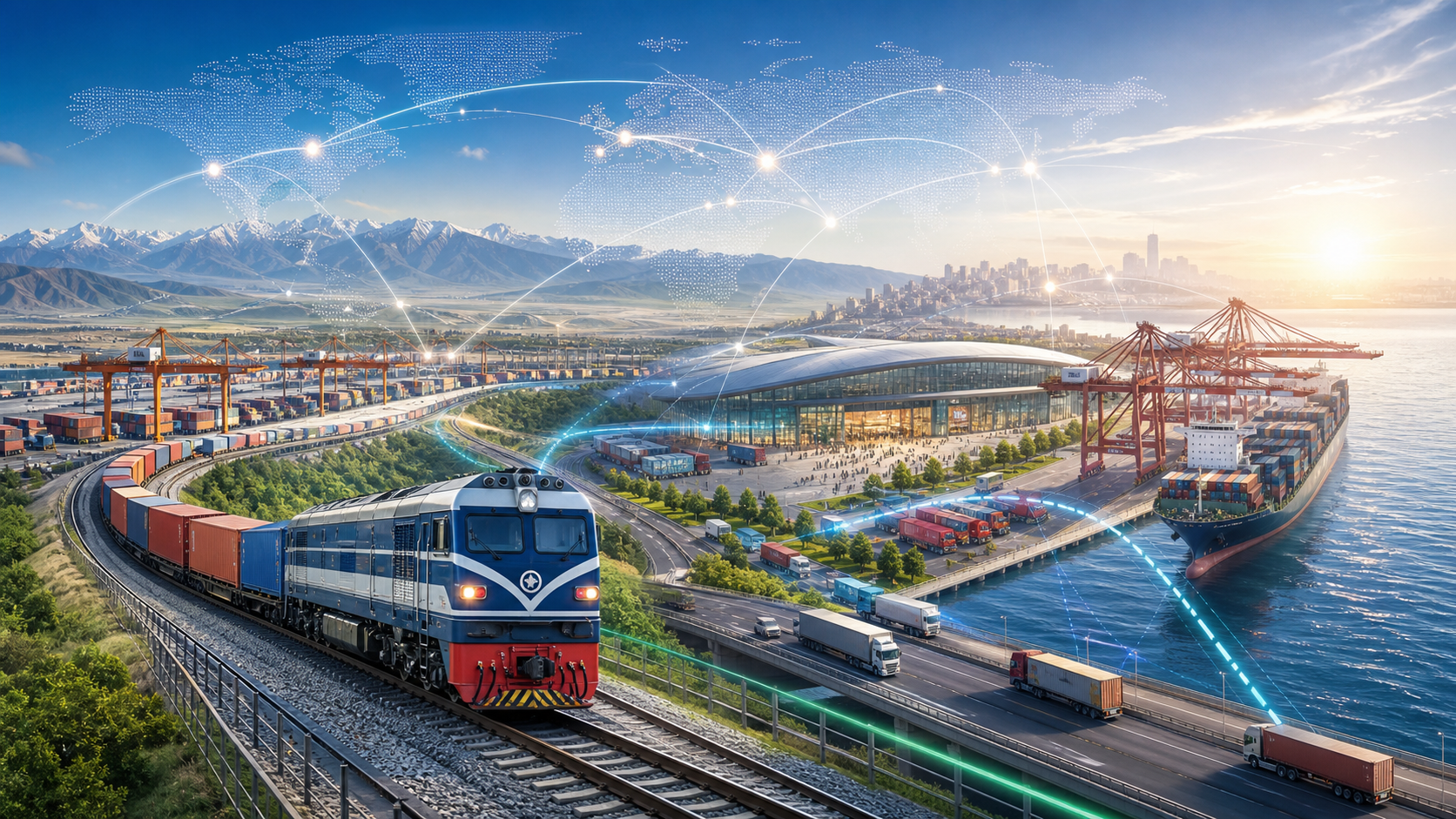
One of the most discussed logistics developments in recent years is the rapid growth of the Middle Corridor, officially known as the Trans-Caspian International Transport Route.
The route generally connects:
China → Kazakhstan → Caspian Sea → Azerbaijan → Georgia → Türkiye → Europe
This corridor provides an alternative pathway for freight moving between Asia and Europe.
Recent data indicates that cargo volumes along this corridor have increased sixfold over the past five years.
Such growth reflects significant changes in global supply chain strategies.
Companies are increasingly seeking:
Historically, many Eurasian trade flows depended on limited transportation corridors.
Recent global disruptions have demonstrated the risks associated with overreliance on any single route.
Diversification offers several advantages:
Multiple transportation options reduce vulnerability to disruptions.
Alternative corridors help accommodate growing freight demand.
Businesses can choose routes based on cost, speed, and market conditions.
Transit countries benefit from increased trade and infrastructure investment.
The Middle Corridor is unlikely to replace existing transportation networks.
Instead, it will become part of a broader ecosystem of interconnected routes.
This multi-corridor approach aligns closely with China's broader Belt and Road logistics strategy and supports the development of a more resilient global supply chain network.
As investments continue in rail infrastructure, ports, customs modernization, and digital systems, the corridor’s importance is expected to grow further over the coming decade.
While rail corridors and international trade routes attract considerable attention, another major trend is reshaping logistics: multimodal transportation combined with digital supply chain integration.
Recent developments in China illustrate how these innovations are delivering measurable business value.
Scheduled to open in Beijing in June 2025, the Fourth China International Supply Chain Expo highlights the increasing importance of supply chain collaboration.
Unlike traditional trade fairs focused solely on products, the expo emphasizes:
The event reflects a broader recognition that competitive advantage increasingly depends on supply chain performance rather than production capacity alone.
A notable example of logistics innovation is Shandong Port’s Shangangtong smart transfer platform.
After only one month of operation, the system has reportedly benefited thousands of businesses.
The platform enhances coordination among:
Key benefits include:
Participants gain access to real-time operational information.
Transportation assets can be allocated more efficiently.
Improved scheduling minimizes congestion.
Ports can handle larger cargo volumes with existing infrastructure.
This represents an important step toward intelligent logistics ecosystems powered by digital connectivity.
Another successful initiative involves the integration of road and maritime transportation between Linyi and Qingdao Port.
Through enhanced data connectivity and operational coordination, participating businesses have reportedly saved approximately RMB 81.95 million in logistics costs.
The project demonstrates how multimodal transport can create substantial value by:
Modern supply chains rarely depend on a single transportation mode.
Instead, businesses increasingly combine:
to achieve optimal performance.
The benefits include:
Different transportation modes can be selected based on cargo characteristics.
Businesses can adapt quickly to changing market conditions.
Efficient modal combinations often reduce carbon emissions.
Integrated networks provide more reliable delivery performance.
The logistics industry is evolving beyond physical transportation.
Future competitiveness will increasingly depend on:
Companies that successfully embrace these technologies will be better positioned to navigate an increasingly complex global trade environment.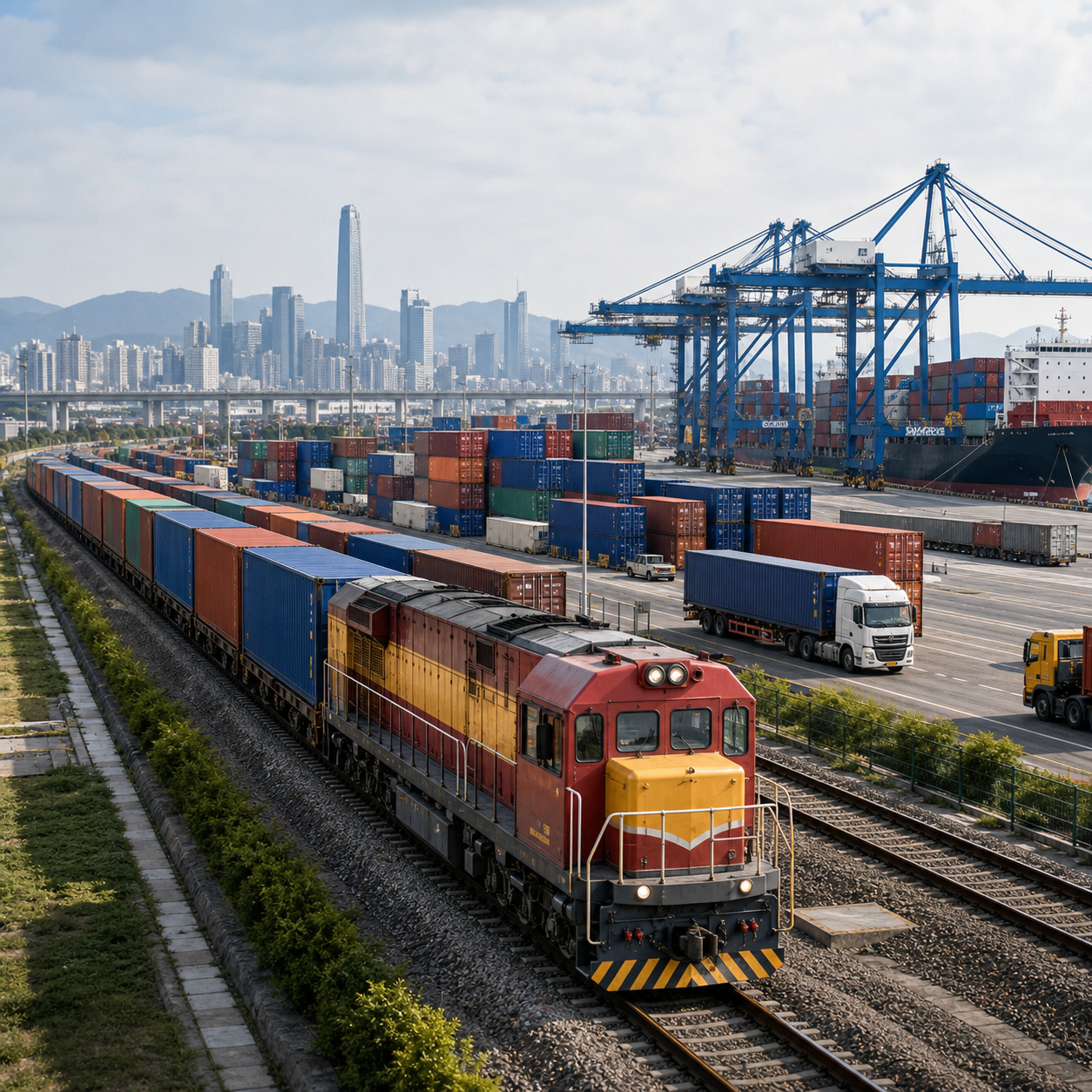
The launch of the Asia-Europe Express, the expansion of Central Asian logistics corridors, the rise of the Middle Corridor, and the rapid adoption of multimodal transportation solutions collectively illustrate a profound transformation in China’s logistics landscape.
These developments reveal several important trends:
Together, these initiatives support China’s broader vision of creating a highly connected, efficient, and resilient international logistics network that links Asia, Europe, and beyond.
As global supply chains continue to evolve, the ability to move goods quickly, predictably, and cost-effectively will become an increasingly important competitive advantage.
The developments unfolding in 2025 suggest that China is positioning itself not only as a manufacturing powerhouse but also as one of the world’s most influential logistics and supply chain hubs.
For businesses involved in international trade, freight forwarding, manufacturing, e-commerce, and supply chain management, understanding these changes will be essential for capturing future growth opportunities in the rapidly evolving Eurasian logistics ecosystem.
Asia-Europe Express, China logistics industry, Belt and Road logistics, Central Asia logistics corridor, Middle Corridor, China-Europe Railway Express, railway fast clearance, multimodal transport, supply chain resilience, international freight transport, Eurasian logistics, customs innovation, smart port development, digital supply chain, logistics digitalization, global trade routes, cross-border logistics, rail freight transportation, supply chain expo, international logistics trends 2025.






 Email: