

WORLDWIDE FREIGHT SERVICES
Email: jack@transworldcn.com

The global logistics and shipping industry is entering a new phase of transformation as freight rates continue to rise, international trade routes evolve, regulatory frameworks tighten, and digital infrastructure investments accelerate. Recent developments across ocean freight, international trade policies, emerging markets, and logistics technology are reshaping supply chain strategies for exporters, importers, freight forwarders, and logistics service providers worldwide.
Against a backdrop of geopolitical uncertainties, changing trade patterns, and growing demand for advanced manufacturing products, businesses must stay informed and agile. Here is a comprehensive overview of the latest developments influencing global logistics and international trade.
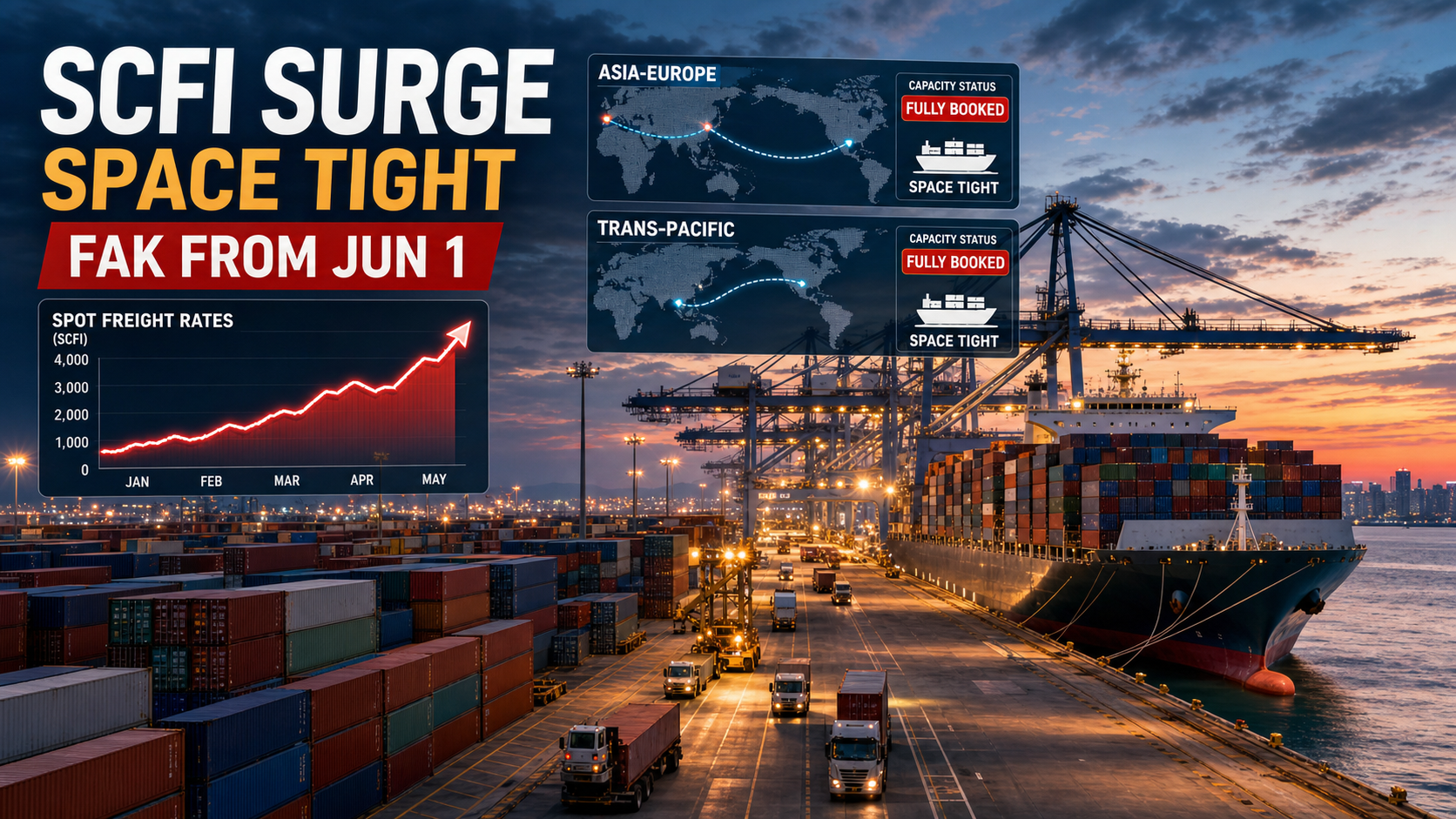
The global container shipping market has witnessed a significant increase in freight rates across major trade lanes. According to recent market observations, the Shanghai Containerized Freight Index (SCFI) has recorded strong upward momentum, reflecting rising transportation costs on routes connecting Asia with Europe and North America.
Spot freight rates from Asia to Northern Europe, the Mediterranean, the U.S. West Coast, and the U.S. East Coast have all increased substantially. In some cases, freight rates have rebounded by more than 70% compared with their lowest levels earlier this year.
Several factors are contributing to the current market conditions:
Major shipping carriers, including Maersk, CMA CGM, and MSC, have announced General Rate Increases (GRIs) and Freight All Kinds (FAK) rate adjustments effective from June 1. In addition, many carriers are introducing Peak Season Surcharges (PSS) on selected routes serving Europe and North America.
As vessel utilization rates remain high, reports of "space shortages" and "rolled cargo" are becoming more common across multiple export gateways in Asia. Freight forwarders are advising shippers to secure bookings earlier than usual to avoid disruptions and unexpected cost increases.
For exporters with time-sensitive shipments, proactive planning and flexible transportation strategies are becoming increasingly important in navigating the current market environment.
Despite uncertainties in global markets, logistics demand continues to demonstrate resilience.
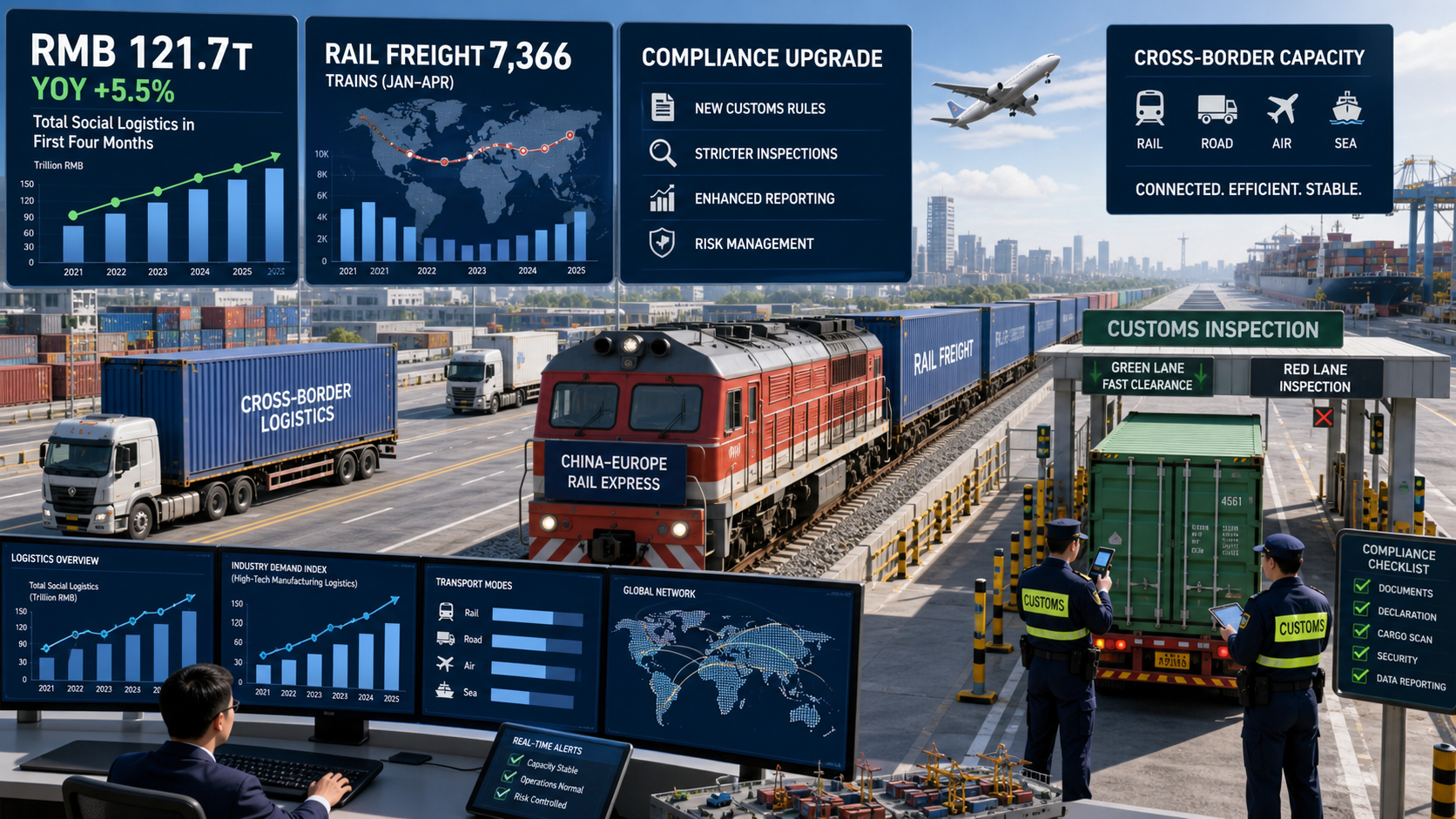
According to the latest domestic logistics statistics, China's total social logistics value reached RMB 121.7 trillion during the first four months of the year, representing year-on-year growth of 5.5%. This performance highlights the continued recovery of industrial production, consumer activity, and supply chain operations.
Particularly noteworthy is the strong expansion of logistics demand from high-tech manufacturing industries. Logistics activity related to advanced manufacturing sectors has grown by more than 10%, reflecting increasing demand for semiconductors, electronics, renewable energy products, intelligent equipment, and other high-value goods.
Meanwhile, the China-Europe Railway Express continues to play a strategic role in facilitating international trade. During the same period, more than 7,366 train services were operated, strengthening connectivity between China and European markets.
The railway network offers several advantages:
As businesses seek alternatives to traditional shipping routes, rail transportation is becoming an increasingly attractive solution for medium-value and time-sensitive cargo.
The sustained growth of multimodal transportation networks demonstrates the logistics sector's ability to adapt to changing trade dynamics while maintaining supply chain continuity.
International trade compliance is becoming increasingly complex as governments worldwide introduce new regulations governing imports, exports, product certification, and market access.
Since May, several major economies, including the United States, the European Union, and India, have implemented new trade-related regulations that affect exporters, manufacturers, and e-commerce businesses.
Key areas of regulatory focus include:
For exporters, failure to comply with evolving regulations may result in customs delays, financial penalties, shipment rejections, or restricted market access.
Companies involved in international trade should closely monitor regulatory developments and ensure that products meet destination-country requirements before shipment.
Another significant development is the implementation of the revised Maritime Code of the People's Republic of China. This marks the first comprehensive revision of the country's maritime legislation in decades.
One of the most important changes concerns the legal treatment of unclaimed cargo.
Historically, liability arrangements in many cases prioritized the consignee's responsibilities. Under the revised framework, the consignor may now bear primary responsibility under certain circumstances involving uncollected cargo at destination ports.
This adjustment has important implications for:
The updated legal framework is expected to improve clarity regarding liability allocation while promoting more efficient cargo management and dispute resolution processes.
As compliance risks increase globally, businesses must integrate regulatory monitoring into their supply chain management strategies.
While trade growth between some traditional markets has moderated, emerging markets are becoming increasingly important engines of global trade expansion.
Southeast Asia, the Middle East, and Africa continue to demonstrate strong economic growth and rising demand for imported goods. Trade volumes between China and these regions have maintained double-digit growth rates, creating new opportunities for exporters and logistics providers.
Several factors are supporting this trend:
Particularly notable is the rapid growth of trade corridors connecting China with ASEAN countries and Middle Eastern markets.
New shipping services, rail connections, and logistics partnerships are helping facilitate smoother cargo flows and shorter transit times. Bilateral trade relationships, including those between China and the Philippines, continue to deepen through enhanced transportation connectivity and commercial cooperation.
At the same time, the global electronics sector is experiencing renewed momentum.
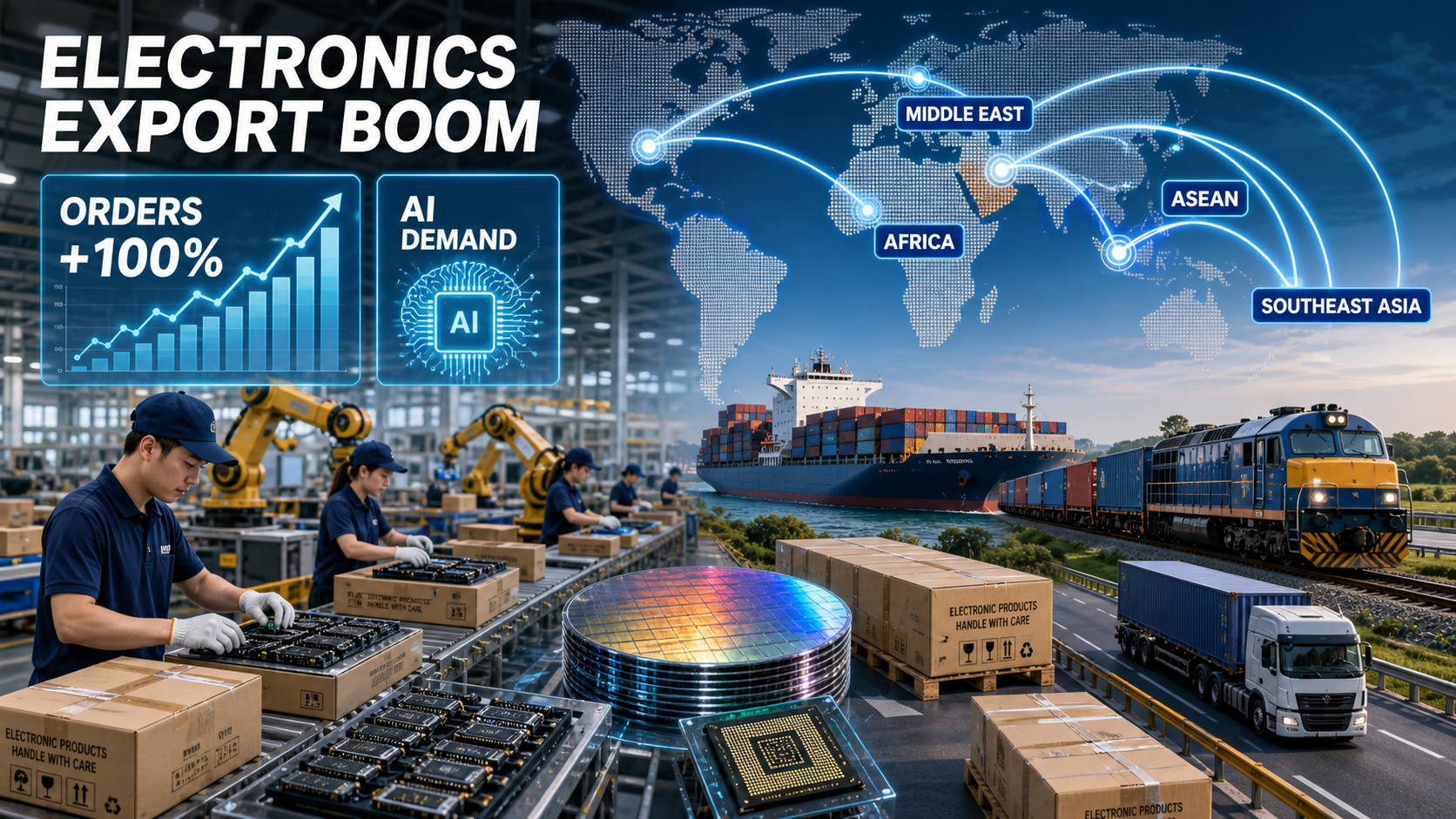
Driven by the rapid expansion of artificial intelligence technologies, demand for memory chips and advanced semiconductor products has surged worldwide. Industry analysts describe the current environment as a new "AI-driven supercycle."
Chinese memory manufacturers and electronics suppliers have reported substantial increases in export volumes, with some companies experiencing export order growth of up to 100%.
This surge is being supported by:
The electronics sector is becoming one of the most important drivers of international freight demand, especially for air cargo and high-value logistics services.
Beyond freight rates and trade flows, digital transformation is rapidly reshaping the logistics industry.
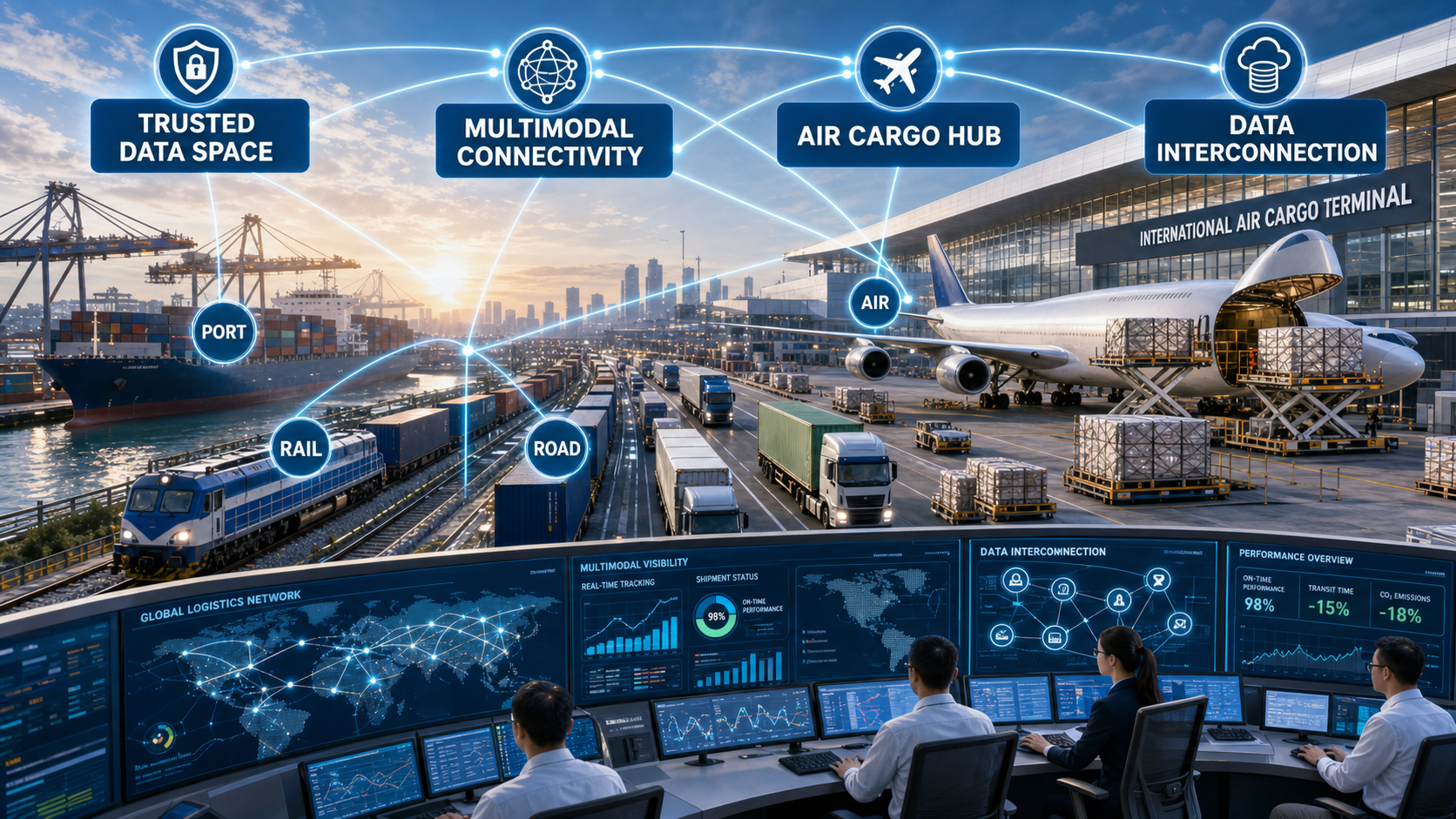
One of the most significant developments is the growing emphasis on logistics data interoperability and trusted data-sharing frameworks.
To address longstanding challenges related to fragmented logistics information systems, industry stakeholders are promoting trusted data exchange initiatives across national logistics corridors.
The objective is to eliminate data silos and improve collaboration among:
By enabling secure and efficient data sharing, logistics companies can achieve greater visibility across supply chains, improve operational efficiency, and reduce transportation bottlenecks.
At the same time, physical logistics infrastructure continues to expand.
A notable milestone is the official launch of the international public cargo terminal at Ezhou Huahu International Airport. As China's first dedicated cargo-focused airport, the facility represents a major enhancement to the country's aviation logistics capabilities.
The airport is expected to strengthen:
Combined with investments in ports, rail hubs, and digital logistics platforms, these infrastructure projects are laying the foundation for a more connected and efficient logistics ecosystem.
Looking ahead, the convergence of physical infrastructure and digital innovation is expected to become a defining characteristic of the next generation of global supply chains.
The global logistics industry is entering a period of significant transformation characterized by rising freight rates, shifting trade routes, expanding emerging markets, stricter compliance requirements, and accelerating digitalization.
For exporters, importers, and logistics service providers, success in this evolving environment will depend on proactive planning, regulatory awareness, supply chain diversification, and technology adoption.
While challenges such as capacity constraints, geopolitical uncertainty, and regulatory complexity remain, new opportunities are emerging through growing trade corridors, advanced manufacturing exports, and next-generation logistics infrastructure.
Businesses that adapt quickly to these changes will be best positioned to enhance supply chain resilience, control transportation costs, and capture growth opportunities in an increasingly interconnected global economy.






 Email: