News
Home > News >

Global Logistics & Shipping News – Hormuz Reopening, China Multimodal Surge, Carrier Surcharges, Aluminium Export Boom


Introduction


June 15, 2026, marks a pivotal turning point for global trade and logistics, as a confluence of geopolitical breakthroughs, domestic infrastructure milestones, carrier pricing actions, and commodity export surges reshapes supply chain dynamics worldwide. The most seismic development is the historic US-Iran peace agreement, which officially reopens the Strait of Hormuz—the world’s critical energy and shipping chokepoint—after months of heightened tensions and naval blockades. This decision immediately alleviates security risks for Persian Gulf routes, stabilizes oil prices, and restores normalcy to one-third of global oil shipments and a significant share of container trade.

Parallel to this geopolitical shift, China’s rail-sea intermodal transport has posted robust double-digit growth in the first five months of 2026, underscoring the country’s strategy to cut logistics costs and boost supply chain resilience. Meanwhile, leading container carriers, spearheaded by CMA CGM, have formally imposed peak season surcharges (PSS) on select Asia-Africa and Mediterranean routes, reflecting tight capacity and rising operational expenses. Finally, China’s high-value aluminium exports are experiencing a booming cycle, driven by robust overseas demand and favourable price differentials, with shipments to North America, Asia, and Mexico accelerating rapidly.

This comprehensive analysis dissects these four defining trends, exploring their root causes, immediate impacts, and long-term implications for shippers, freight forwarders, and supply chain stakeholders navigating an increasingly complex global trade landscape.


1. Strait of Hormuz Reopens: US-Iran Deal Ends Blockade, Revitalizes Global Shipping

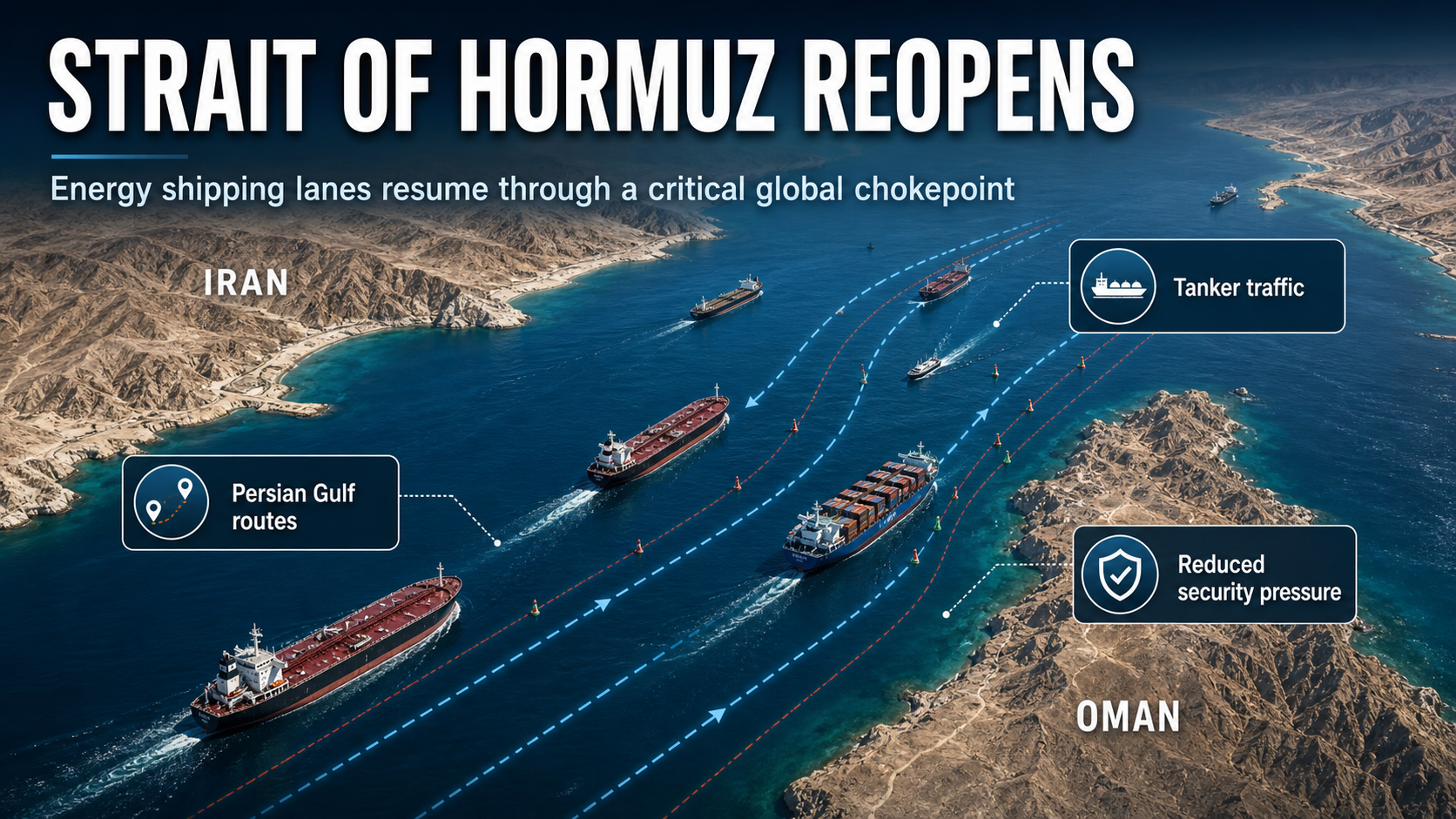
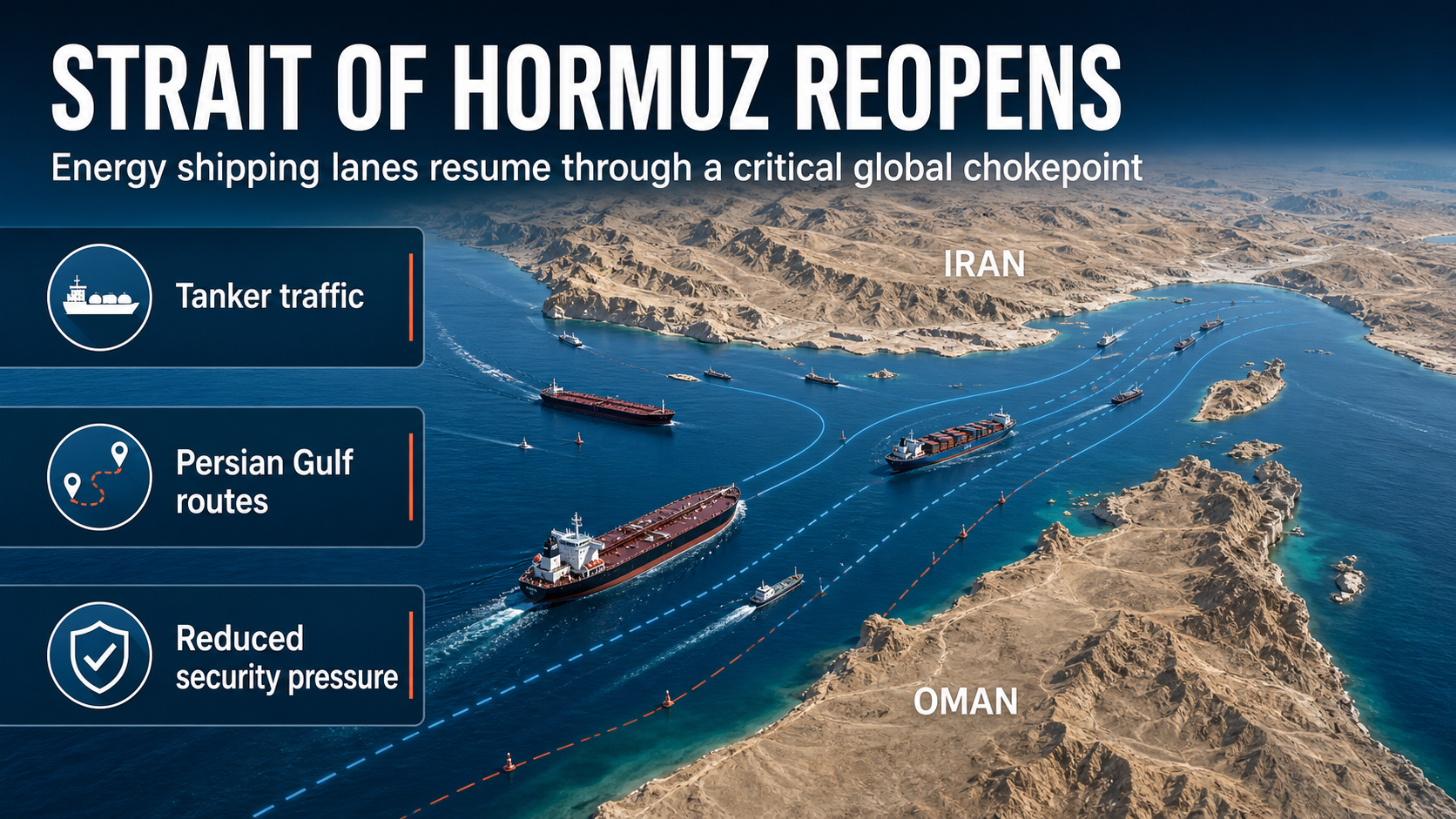
In a development that reverberated across global markets, US President Donald Trump announced on June 14, 2026, that the United States and Iran had finalized a peace memorandum of understanding (MoU), with the immediate effect of reopening the Strait of Hormuz and lifting all US naval blockades on Iranian ports. The MoU, set to be formally signed in Switzerland on June 19, 2026, mandates unfettered passage for all commercial vessels through the strategic waterway, which handles approximately 30% of global oil exports and 20% of total containerized trade prior to the 2026 tensions.

Background of the Crisis

For nearly six months, the Strait of Hormuz—located between Iran and Oman, connecting the Persian Gulf to the Gulf of Oman and the Arabian Sea—was the epicenter of escalating US-Iran hostilities. Following tit-for-tat military actions, the US Navy imposed a naval blockade in early 2026, restricting Iranian oil exports and disrupting commercial shipping. This triggered a cascade of disruptions: vessel rerouting via longer, costlier alternatives like the Cape of Good Hope, 15–20% higher freight rates for Persian Gulf routes, acute shortages of oil and petrochemical products in global markets, and heightened insurance premiums for ships transiting the region.

Key Terms of the 2026 US-Iran MoU

The finalized agreement, as outlined by senior US and Iranian officials, includes the following critical provisions:

  • Immediate Reopening: The Strait of Hormuz is fully reopened to all commercial vessels, with no transit fees or restrictions imposed by Iran.
  • Blockade Lifting: The US Navy immediately suspends all maritime blockades of Iranian ports, with complete removal within 30 days.
  • Sanction Relief: The US pauses oil and petrochemical export sanctions on Iran, with plans for full removal pending final nuclear negotiations.
  • Asset Unfreezing: Approximately $12.5 billion of Iran’s frozen assets are released immediately, with an additional $12.5 billion contingent on full compliance.
  • Ceasefire: A permanent ceasefire is declared across all regional conflict zones, including Lebanon.

Immediate and Long-Term Impacts on Logistics

The reopening of the Strait of Hormuz delivers instant relief to global supply chains, with far-reaching consequences for multiple industries:

  • Freight Rate Stabilization: Spot rates for Asia–Middle East, Asia–Europe, and Asia–North America routes are expected to decline by 8–12% within 30 days as capacity returns to normal and rerouting costs vanish.
  • Energy Supply Security: Global oil prices, which had surged to $95 per barrel during the blockade, have already retreated to $78 per barrel as of June 15, 2026, reducing fuel costs for carriers and shippers alike.
  • Vessel Schedule Reliability: Transit times for Persian Gulf routes will shorten by 7–10 days compared to Cape of Good Hope reroutes, eliminating delays and improving schedule adherence for container and bulk cargo shipments.
  • Insurance Cost Reduction: War risk insurance premiums for vessels transiting the Middle East are projected to drop by 50–70%, further lowering overall logistics expenses.

For shippers, particularly those in the energy, manufacturing, and retail sectors, the Hormuz reopening translates to lower costs, faster transit, and reduced supply chain uncertainty. Forwarders specializing in Middle East and European trade are already reporting increased booking volumes as clients rush to capitalize on the restored route efficiency.

2. China’s Rail-Sea Multimodal Transport Surges 11% in Jan–May 2026

While geopolitical tensions eased in the Middle East, China’s domestic intermodal logistics sector delivered strong growth in the first five months of 2026, driven by policy support, infrastructure expansion, and corporate adoption of cost-effective supply chain solutions. According to official data released by China State Railway Group (CR) on June 14, 2026, national railway freight volume reached 1.67 billion tonnes from January to May, representing a 1.8% year-on-year increase. The standout performer was rail-sea intermodal transport, which handled 7.58 million TEUs, a robust 11.0% year-on-year surge.

Key Drivers of Growth

The double-digit expansion of rail-sea intermodal volumes stems from three core factors:

  1. Policy Push for Cost Efficiency: The Chinese government has prioritized multimodal transport as a cornerstone of its “dual circulation” strategy, aiming to cut overall logistics costs by 5% in 2026. Rail-sea integration reduces reliance on road transport, which is 30–40% more expensive for long-haul shipments and prone to congestion and toll fees.
  2. Infrastructure Expansion: The rapid development of dry ports, inland container depots (ICDs), and dedicated rail-sea terminals at major coastal hubs (e.g., Shanghai, Ningbo-Zhoushan, Qingdao) has streamlined cargo transfer between rail and sea. By May 2026, China’s network of multimodal hubs covered 85% of provincial-level regions, enabling seamless “door-to-door” transport.
  3. “One Document” Reform: The widespread adoption of the single multimodal transport document (one document system) has simplified customs clearance, reduced paperwork, and cut transit time by 3 days on average. This innovation has lowered comprehensive logistics costs for foreign trade enterprises by approximately 15%, making rail-sea intermodal an attractive alternative to pure road or sea shipping.

Standout Performance Metrics

Beyond the headline 11% growth, several key metrics highlight the sector’s momentum:

  • Daily Rail Loading: Average daily rail carriages reached 186,300, up 2.8% year-on-year, with a single-day record of 202,400 carriages set on May 2, 2026.
  • Export Vehicle Transport: Rail-sea transport of export vehicles surged 55.5% year-on-year to 824,000 units, including 422,000 new energy vehicles (NEVs), a 110.3% year-on-year increase—a testament to rail’s efficiency in supporting China’s automotive export boom.
  • Logistics General Contracts: CR signed 1,185 logistics general contracts in 2026, covering 1.15 billion tonnes of cargo, integrating rail transport directly into corporate supply chains.

Implications for Shippers and Forwarders

For businesses engaged in China’s import and export trade, the rail-sea intermodal boom offers tangible advantages:

  • Cost Savings: Long-haul shipments from inland manufacturing hubs (e.g., Chengdu, Chongqing, Wuhan) to coastal ports can save 20–25% in transport costs compared to road-only options.
  • Capacity Stability: Rail transport avoids road congestion and capacity crunches, providing reliable capacity for high-volume shipments, especially during peak seasons.
  • Sustainability: Rail-sea intermodal generates 40–50% fewer carbon emissions than road transport, aligning with global ESG goals and reducing carbon taxes for exporters.

Forwarders are increasingly integrating rail-sea solutions into their service portfolios, with many reporting 30% growth in intermodal booking requests in 2026. As China continues to expand its multimodal network and refine regulatory policies, rail-sea transport is poised to become the default choice for cost-conscious, sustainability-focused shippers.


3. CMA CGM Leads Carrier Price Hikes: Peak Season Surcharges (PSS) Take Effect June 15, 2026

In a move that underscores tightening capacity and rising operational costs, CMA CGM, the world’s third-largest container carrier, officially implemented revised peak season surcharges (PSS) on June 15, 2026, for all Asia–Mediterranean and Asia–North Africa westbound routes. The French shipping giant’s decision follows similar announcements from peers including Maersk, Hapag-Lloyd, and MSC, marking a coordinated industry push to pass on higher fuel, labor, and insurance costs to shippers amid robust summer demand.

CMA CGM’s PSS Details (Effective June 15, 2026)

The revised surcharges represent a significant increase from CMA CGM’s initial May 25, 2026, PSS announcement, with rates as follows:

  • 20′ Dry/Reefer Containers: $900 (up from $500)
  • 40′ Dry/Reefer Containers: $1,800 (up from $1,000)
  • Scope: All major Asian ports (China, Japan, South Korea, Southeast Asia) to Mediterranean and North African base ports; applies to dry cargo, out-of-gauge (OOG), paying empties, and reefer shipments.

Industry-Wide PSS Trends

CMA CGM’s move is part of a broader industry trend, with major carriers imposing PSS on key routes in June 2026:

  • Hapag-Lloyd: June 8, 2026, PSS of $500/20′, $1,000/40′ for Asia–Nordic/Mediterranean routes.
  • Maersk: June 10, 2026, PSS of $300/20′ for Asia–Nordic/Mediterranean; June 17, 2026, PSS of $1,000/20′, $2,000/40′ for Asia–US/Canada routes.
  • MSC: June 1, 2026, PSS of $800/20′, $1,600/40′ for Asia–Europe routes.

Root Causes of the 2026 PSS Wave

The coordinated PSS hikes stem from three interconnected challenges facing container carriers:

  1. Demand Surge: Peak season demand is stronger than anticipated, driven by Q3 retail restocking for North America and Europe, Amazon Prime Day, and the 2026 FIFA World Cup in North America. Asian exports of electronics, apparel, and home goods have surged, with vessel utilization rates on key routes hitting 95–98%.
  2. Operational Cost Inflation:
    • Fuel Prices: Marine fuel costs have risen 70% year-to-date in 2026, driven by Middle East tensions and global oil supply constraints.
    • Insurance Premiums: War risk insurance for Middle East and Red Sea routes remains elevated despite the Hormuz reopening, adding $200–$500 per TEU in costs.
    • Port Congestion: Persistent bottlenecks at major Asian and European ports have increased vessel idle time and labor costs, with carriers estimating $300–$600 per TEU in additional expenses.
  3. Capacity Discipline: Leading carriers have maintained strict capacity management, reducing vessel speeds to cut fuel consumption and blanking (canceling) sailings during low-demand periods. This proactive approach has prevented oversupply and kept freight rates elevated.

Impact on Shippers and Forwarders

The PSS hikes add significant cost pressure to shippers, particularly small and medium-sized enterprises (SMEs) with limited pricing power. For a 40′ container shipped from Shanghai to Marseille, the combined base rate + PSS now exceeds $5,500, representing a 25% increase from Q1 2026 levels.

Forwarders are advising clients to book early, lock in rates, and explore alternative routes (e.g., Asia–Black Sea–Europe) to mitigate costs. While the Hormuz reopening may ease some pressure, carriers have signaled that PSS will remain in place until at least September 2026, as demand is expected to stay strong through the summer.

4. China’s Aluminium Exports Boom: High-Value Shipments Surge on Global Demand

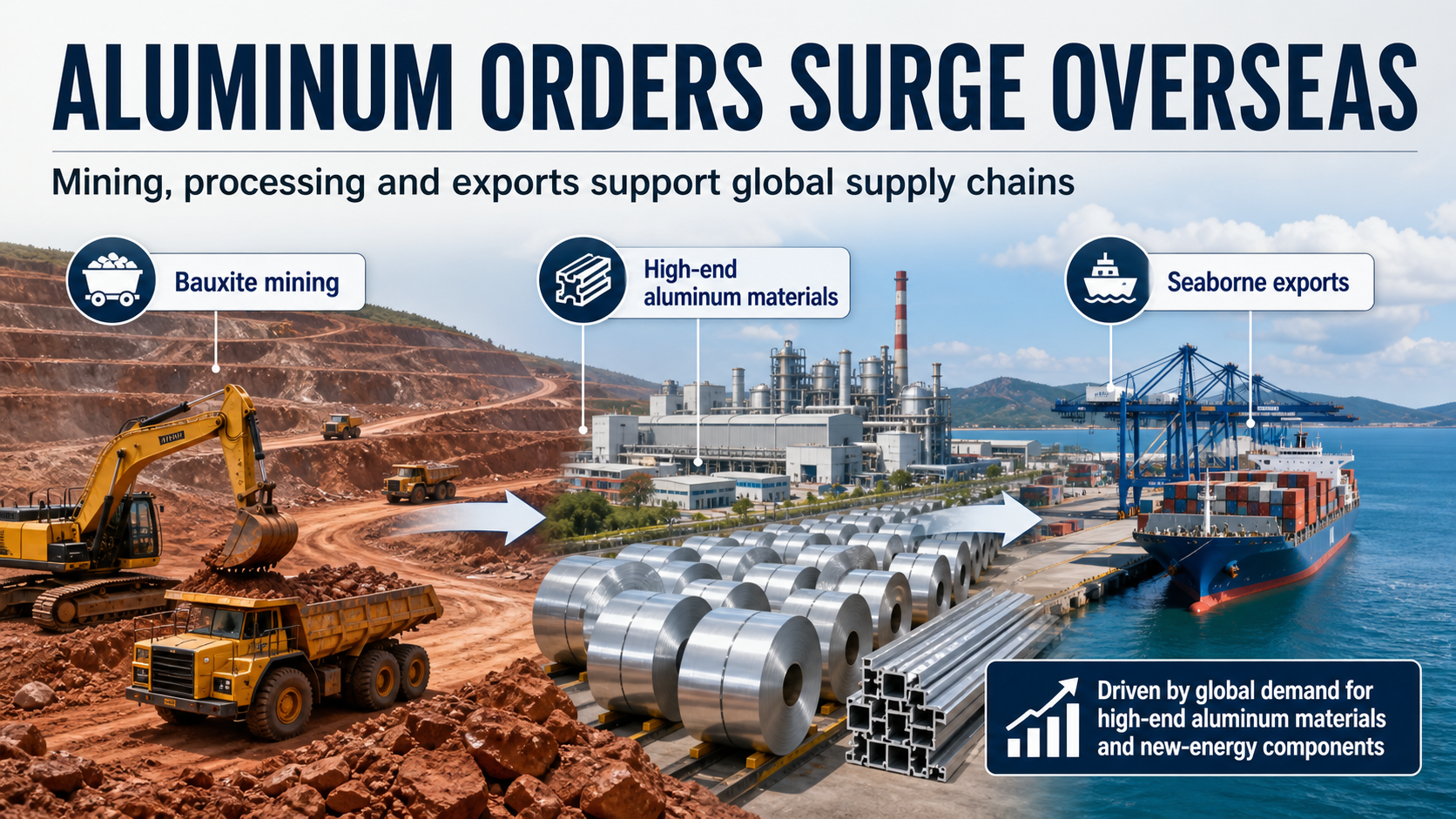
Completing the June 15, 2026, logistics landscape is the explosive growth of China’s aluminium exports, which have emerged as a bright spot in the country’s commodity trade. Driven by robust overseas demand, favourable price differentials, and Middle East supply disruptions, China’s exports of unwrought aluminium and aluminium products reached 598,000 tonnes in April 2026, a 15.4% year-on-year increase and the highest monthly level since December 2024. For the January–April 2026 period, cumulative exports hit 2.053 million tonnes, up 8.9% year-on-year.

Key Drivers of the Aluminium Export Surge

The boom in China’s aluminium exports is fueled by four critical factors:

  1. Middle East Supply Disruptions: The Persian Gulf region accounts for 9% of global primary aluminium production, with major smelters in Saudi Arabia, the UAE, and Qatar. The 2026 US-Iran tensions disrupted production and shipping from the region, creating a global supply deficit that China—with its stable production capacity—was uniquely positioned to fill.
  2. Favourable Price Differentials: As of June 2026, the London Metal Exchange (LME) 3-month aluminium price reached $3,787.5 per tonne, a 4-year high, while China’s domestic Shanghai Futures Exchange (SHFE) aluminium price remained relatively subdued at ~$2,800 per tonne. This $900+ per tonne gap made Chinese aluminium highly competitive in global markets.
  3. High-Value Product Focus: Chinese exporters have shifted from low-margin aluminium ingots to high-value processed products, including aluminium sheets, foils, profiles, and new energy vehicle (NEV) components. These products benefit from 0% export tariffs and 13% export tax rebates, enhancing profitability compared to ingots (15% export tariff, no rebate).
  4. Strong Overseas Demand: Global demand for aluminium is robust, driven by infrastructure spending in North America and Europe, renewable energy projects (solar panels, wind turbines), and NEV production. Major export destinations include the United States, Mexico, Germany, and Southeast Asia, with orders for Q3 2026 already 15–20% higher than Q2 levels.

Logistics Implications of the Aluminium Export Boom

The surge in aluminium exports has had a direct impact on shipping and logistics:

  • Container Demand: Aluminium products are primarily shipped in 20′ and 40′ dry containers, with some high-value components requiring reefer units. The export boom has increased container demand from Chinese ports, particularly Shanghai, Ningbo-Zhoushan, and Qingdao, contributing to tight capacity and higher rates on Asia–North America and Asia–Europe routes.
  • Specialized Handling: High-value aluminium products require careful handling, packaging, and insurance, with many shippers opting for door-to-door rail-sea intermodal transport to minimize damage and delays. Forwarders specializing in heavy cargo and high-value goods have seen 40% growth in aluminium-related bookings in 2026.
  • Trade Route Diversification: While North America and Europe remain key markets, exports to Mexico (for automotive manufacturing) and Southeast Asia (for infrastructure and electronics) have grown rapidly, with new direct shipping services launched by carriers to meet demand.

Outlook for Aluminium Exports

Industry analysts remain bullish on China’s aluminium export prospects for the remainder of 2026, with full-year exports projected to reach 6 million tonnes, surpassing 2025 levels. Key risks include a potential narrowing of price differentials if global supply recovers or Chinese domestic demand rebounds, and trade protectionism (e.g., tariffs) in major markets. However, with Middle East supply uncertainty persisting and global demand for high-value aluminium products remaining strong, China’s export boom is expected to continue through Q4 2026.


Conclusion

June 15, 2026, stands as a defining day for global logistics and shipping, marked by transformative geopolitical, economic, and industry-specific trends. The US-Iran peace agreement reopening the Strait of Hormuz has alleviated critical supply chain risks, stabilized energy prices, and restored efficiency to one of the world’s most important shipping lanes. Domestically, China’s rail-sea intermodal sector continues its robust growth, offering shippers cost-effective, sustainable alternatives to traditional transport modes. Meanwhile, leading carriers’ imposition of peak season surcharges reflects the ongoing balance between strong demand and rising operational costs, while China’s aluminium export boom underscores the country’s role as a global supplier of high-value commodities.

For shippers, forwarders, and supply chain stakeholders, these trends demand agility, strategic planning, and adaptability. Navigating the post-Hormuz landscape requires monitoring geopolitical developments, optimizing transport modes (e.g., rail-sea intermodal), and proactively managing costs amid carrier price hikes. As global trade continues to evolve, staying informed of these interconnected trends will be critical to building resilient, efficient, and competitive supply chains in 2026 and beyond.


Latest news More+

loading