
News Article:
USTR Proposes Broad Section 301 Tariffs on China and 59 Other Economies Over Forced Labor Claims
WASHINGTON, June 4, 2026 — The Office of the United States Trade Representative has proposed one of the broadest Section 301 tariff actions in recent years, targeting imports from 60 economies over what it describes as failures to impose and effectively enforce bans on goods produced with forced labor.
Under the proposal, Chinese goods would face an additional 12.5% tariff. India, Japan, South Korea, Switzerland and a number of other major trading partners are also expected to fall under the 12.5% rate, while 16 economies, including Canada, Mexico, the European Union, Taiwan and the United Kingdom, would face 10% duties. The proposal follows USTR findings that the policies and practices of the targeted economies are “unreasonable” and burden or restrict U.S. commerce under Section 301 of the Trade Act of 1974.
The proposed tariffs would not take effect immediately. USTR said it will accept public comments until July 6, 2026, and will hold public hearings beginning July 7, 2026. The consultation process is expected to draw responses from importers, manufacturers, retailers, trade associations and foreign governments, many of which are likely to challenge the scope and legal basis of the action.
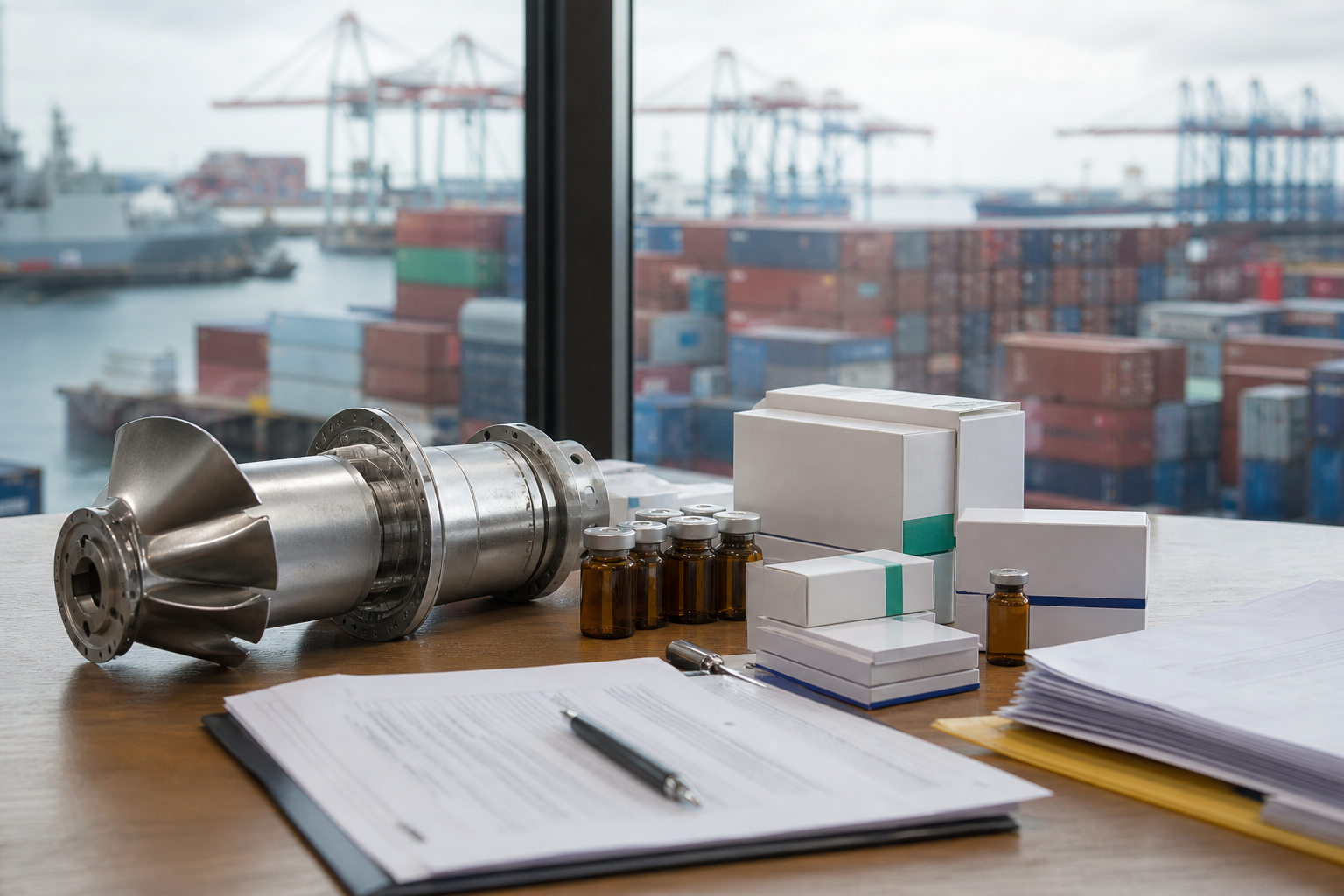
The proposal includes product exclusions for certain sensitive categories. Energy products, rare earths, some metals, selected pharmaceutical goods and aircraft parts are among the items expected to be excluded from the proposed tariff coverage. USTR has also proposed a textile mechanism that could allow certain volumes of apparel and textile imports from selected economies to enter the United States at a reduced Section 301 tariff rate.

The move marks a significant escalation in Washington’s use of trade enforcement tools tied to labor standards. U.S. officials have argued that imports connected to forced labor undermine American workers, distort competition and weaken global supply chain accountability. The USTR action builds on investigations launched earlier this year into whether dozens of economies have failed to prevent the importation of goods made with forced labor.
China strongly rejected the U.S. allegations. Chinese Foreign Ministry spokesperson Mao Ning said Beijing opposes unilateral tariff measures in all forms and argued that tariff wars and trade wars serve no party’s interests. She said economic and trade disputes should be resolved through dialogue and consultation based on equality, mutual respect and reciprocity. China also denied the forced labor accusation, saying the claim is being used as a pretext for political manipulation and trade pressure.
The proposed tariffs could have wide implications for global supply chains. China remains one of the largest sources of U.S. imports, covering consumer electronics, machinery, household goods, textiles and industrial components. A 12.5% additional duty could increase costs for American importers and potentially be passed on to consumers, depending on product category, contract terms and market competition.
India’s inclusion at the 12.5% rate could also complicate Washington’s efforts to deepen trade and strategic cooperation with New Delhi. Meanwhile, the inclusion of economies such as Japan, South Korea and Switzerland suggests the action is not limited to countries traditionally associated with U.S. trade disputes, but instead reflects a broader effort to tie market access to forced labor enforcement standards.
The proposal comes amid a wider U.S. push to rebuild and expand tariff tools after legal and political challenges to previous broad-based tariff measures. Separately, the U.S. has pursued or proposed Section 301 actions involving Brazil and other trade-related practices, signaling that tariffs remain central to Washington’s trade policy strategy.
Business groups are expected to scrutinize the proposal closely. Importers may argue that broad tariffs are a blunt instrument that could raise costs without directly improving forced labor enforcement. Labor groups and some domestic manufacturers, however, may support the action as a way to pressure foreign governments and supply chains to meet higher labor standards.
The comment period will be a key stage for determining whether USTR narrows the tariff list, adjusts rates or expands exclusions. Companies affected by the proposal are likely to submit evidence on supply chain compliance, product availability, consumer impact and potential disruption to U.S. manufacturing.
If implemented, the tariffs would represent a major new layer of trade restrictions affecting goods from a wide range of economies. For China, the measure would add to existing U.S. tariff pressure and further strain relations between the world’s two largest economies. For global markets, the proposal signals that labor enforcement, supply chain due diligence and trade policy are becoming increasingly intertwined.
Sources checked: USTR official release,  AP report.

 Email: