

WORLDWIDE FREIGHT SERVICES
Email: jack@transworldcn.com

As Mike Short, Senior Global Logistics Director at a top trans-Pacific freight carrier, once said, “2026 isn’t about cheaper shipping—it’s about building flexible, compliant supply chains that survive constant policy and market shifts.” Honestly, that quote hits close to home for every cross-border brand moving goods internationally this year. If you ship to Amazon FBA, sell direct-to-consumer parcels to EU buyers, or import bulk goods for retail, you have already felt the pressure.
New customs taxes, Red Sea route volatility and rising carbon reporting rules have made logistics planning much more complex. What used to feel straightforward now requires constant adjustment. Every small policy update or market swing can eat into profit margins if you do not adapt fast. That is why understanding the top global logistics trends of 2026 is not just useful reading—it is necessary for sustainable cross-border growth.
That said, the biggest industry shock in 2026 is the end of low-value duty exemptions across major Western markets. The US already ended its $800 Section 321 relief in late 2025. The EU fully abolished the €150 customs duty exemption starting July 1, 2026.
The new EU rule introduces a flat €3 tariff per unique HS code category in every parcel. An additional €2 administrative handling fee will also be introduced in November 2026. For small sellers shipping mixed SKU parcels, landed costs will increase sharply on low-value consumer goods.
For example, a parcel containing one phone case, one t-shirt, and one pair of shoes may incur €9 in baseline duties alone. This does not include destination VAT rates, which range from 17% to 27% across EU member states.
But here’s the thing—direct postal small parcels no longer hold a meaningful cost advantage. Brands that relied entirely on air mail drop shipments to EU shoppers are now shifting inventory to local EU 3PL warehouses in bulk. Sure, bulk ocean FCL shipments may have higher upfront logistics spend, but they avoid repeated per-parcel tariff charges throughout the year. Many mid-sized sellers we work with have already cut direct small-parcel volume by 40% to offset these new tax burdens. Competitors like BarConic Logistics have reported identical shifts from their client base across Germany, France and Italy. Related Content: EU €150 Duty Exemption Abolished: €3 Flat Tariff Rule for Low-Value Shipments
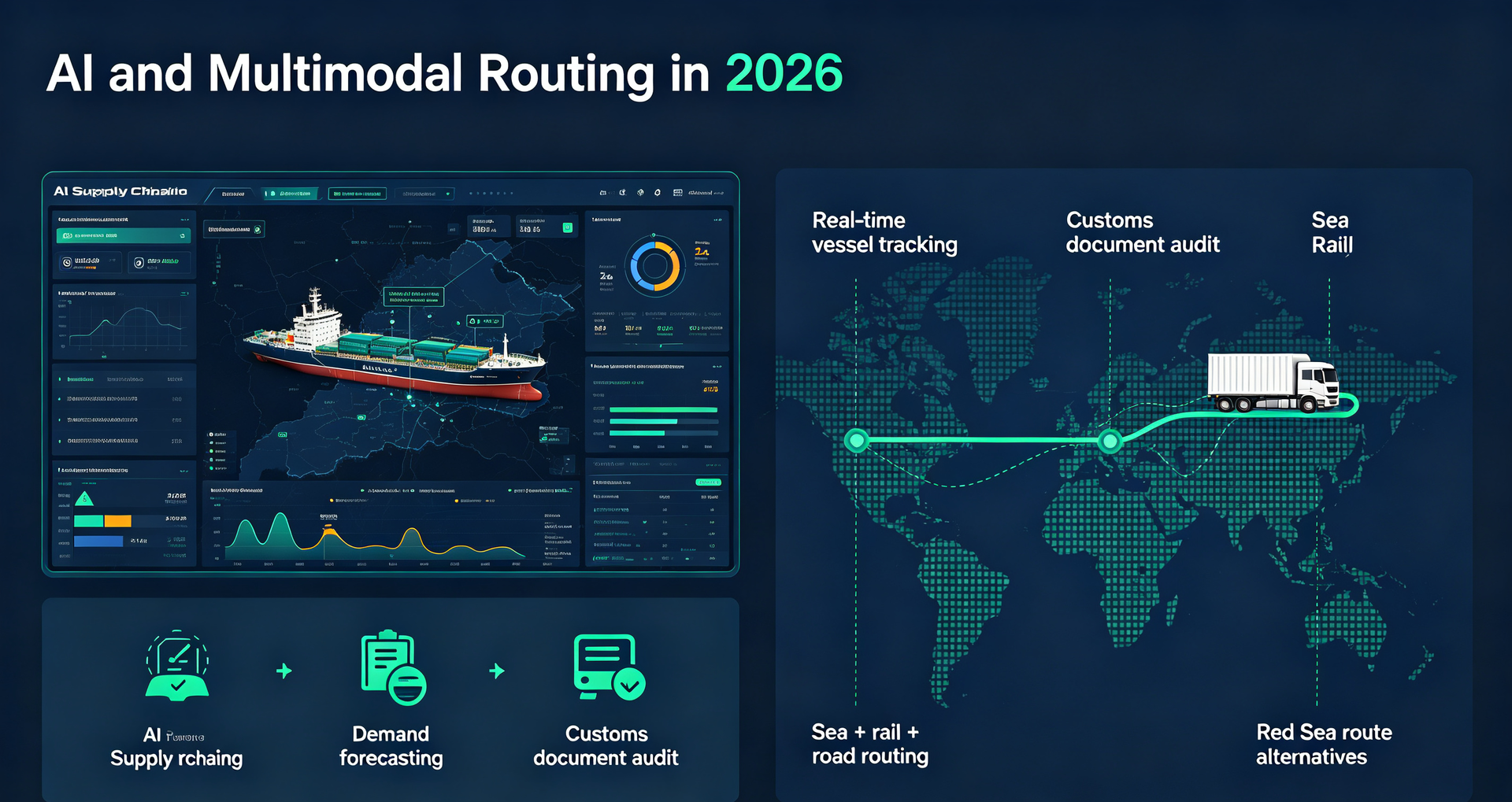
On top of new customs rules, artificial intelligence has moved from a “nice-to-have” tool to a core logistics system in 2026. Forwarders and e-commerce brands now use AI platforms for real-time vessel tracking, demand forecasting, customs document audit and geopolitical risk alerts.
These tools can warn shippers about Red Sea route disruptions, port congestion, blank sailings or unexpected fuel surcharges. They help brands make faster decisions instead of reacting after problems appear.
AI inventory forecasting can reduce overstock and stockout risks by around 20% for Amazon FBA sellers, according to 2026 FIATA industry data. The software scans historical sales, seasonal peaks, carrier schedules and fuel price changes to build more flexible shipping timelines. Honestly, manual spreadsheet planning can no longer keep up with today’s volatile freight market.
It’s worth noting AI logistics tools are not perfect, though. Smaller businesses may face monthly software subscription fees that affect thin profit margins. Still, savings from avoided port detention fees, missed FBA appointments and emergency air freight shipments usually outweigh that cost over time.
Global ocean carriers added around 1.5 million TEU of new container capacity through 2026. This has created widespread overcapacity on Asia-US and Asia-Europe lanes. Spot ocean rates still swing weekly, and blank sailings continue to affect shippers during seasonal peaks. That’s why multimodal transport combining sea, rail and short-haul trucking has grown in popularity this year.
China-Europe Railway Express lines now provide a reliable backup when Suez Canal sailings face security risks or costly detours around the Cape of Good Hope. For mid-volume inventory that cannot wait 30 or more days for full ocean transit, rail can cut door-to-door lead times by nearly two weeks. Even air-sea hybrid combinations are also common for brands balancing cost and delivery speed.
Many importers still choose full ocean shipping to save upfront money, of course. But they often face unexpected delays when vessels skip scheduled ports. Mixing transport modes gives sellers a safety net that no single shipping lane can offer in 2026’s unstable carrier market.
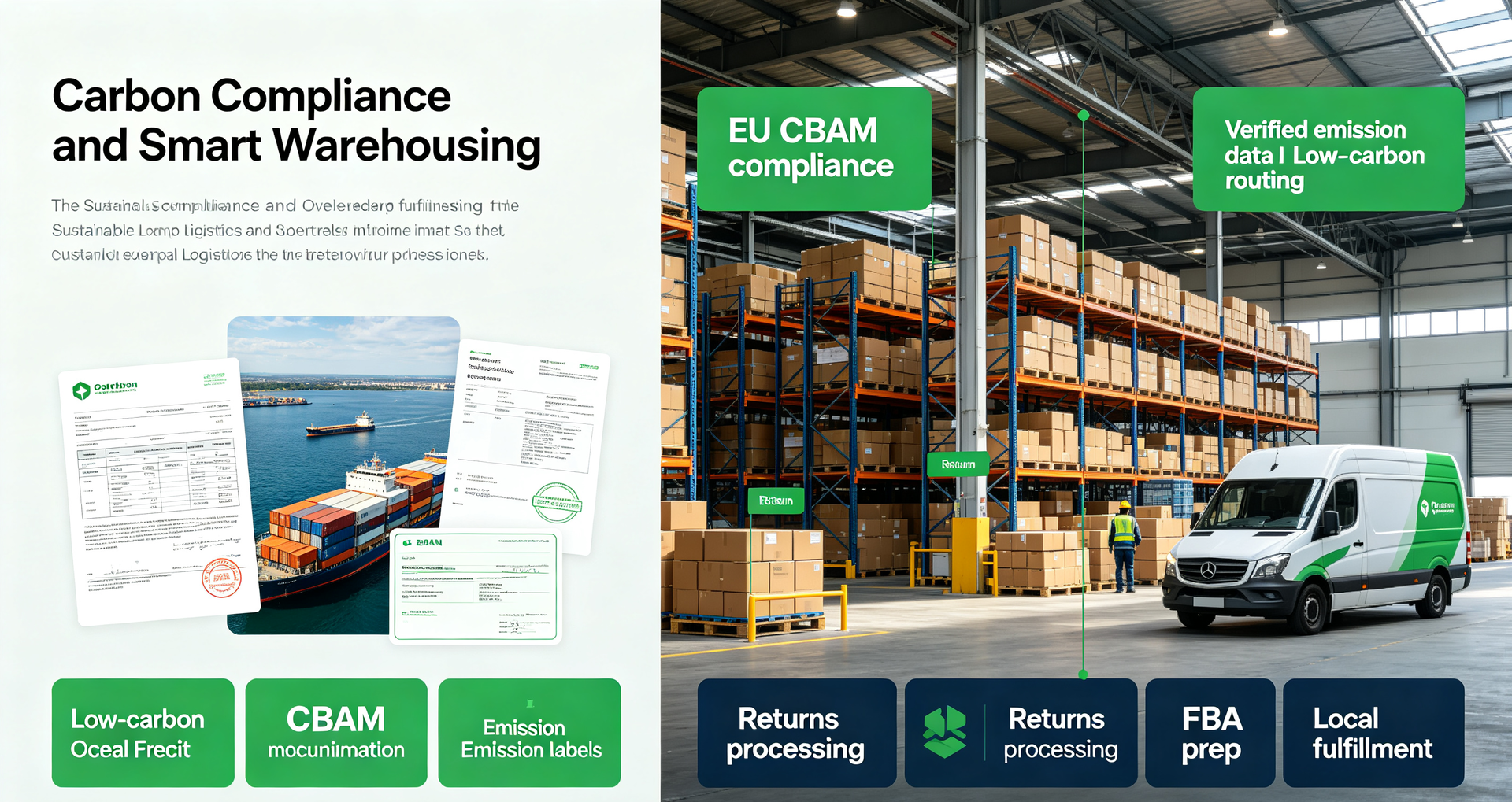
2026 marks the first full enforcement year for the EU CBAM carbon border tax. It also brings stricter CSRD emissions reporting rules for logistics providers serving European importers.
Every ocean and air freight shipment entering the EU now requires full carbon footprint documentation. Carriers with high-emission fleets are likely to pass steep carbon surcharges directly to shippers. Sellers who ignore these compliance rules may face customs holds, fines or even blocked warehouse deliveries.
Smart brands now prioritize forwarders that offer low-carbon vessel space, consolidated LCL shipments and paperless digital documentation. These options help reduce both emissions and reporting complexity.
This green logistics shift is not temporary, either. The EU plans to tighten carbon tax brackets through 2028. Businesses that build low-emission shipping strategies now will lock in better pricing and smoother clearance long-term.
Gone are the days when overseas warehouses are only used for simple storage and last-mile delivery. In 2026, top 3PL facilities across the US and EU offer full value-added services. These include automated returns processing, PID product labeling required for November EU customs rules, customized FBA prep and cross-channel order splitting for marketplaces and independent brand sites.
Warehouse operators are shifting away from pure real estate profit models. They are becoming end-to-end fulfillment platforms. Brands that stock bulk inventory locally avoid repeated per-parcel EU tariffs. They also speed up customer delivery windows significantly.
For low-margin goods hit hardest by the new €3 flat duty, pre-stocking in EU warehouses has become one of the most sustainable logistics workarounds available right now. Related Service Page: EU 3PL Overseas Warehouse Fulfillment Service for Cross-Border Sellers
Every mistake is just a lesson in disguise when it comes to cross-border logistics planning this year. The global logistics market will continue rolling out policy and pricing changes through the rest of 2026. Planning around these five core trends will help cross-border merchants protect profit margins and maintain steady inventory movement all year round. Consistent, reliable deliveries remain critical for retaining international customers. It’s totally worth it because your brand’s global customers deserve stable, on-time shipments, plain and simple.
If you want a customized door-to-door logistics plan tailored to your EU or US shipping volume, get in touch with our team today.
Q1: Who will be most affected by the EU €3 flat tariff rule starting July 2026?
A: Small and medium-sized DTC sellers shipping low-value individual parcels directly from China to EU consumers will face the biggest cost increases. Businesses using bulk consolidation and EU local warehousing will see much less impact.
Q2: Is multimodal shipping more expensive than pure sea freight in 2026?
A: Base rates may be slightly higher, but multimodal options reduce the risk of costly emergency air freight when ocean routes face disruptions. It works best for brands balancing lead time stability and budget control.
Q3: What documents do I need for EU CBAM carbon compliance in 2026?
A: You will need verified shipment emission data provided by your freight forwarder. You will also need organized carrier documentation ready during customs clearance. It is important to partner with forwarders that offer built-in carbon reporting services.






 Email: