

WORLDWIDE FREIGHT SERVICES
Email: jack@transworldcn.com

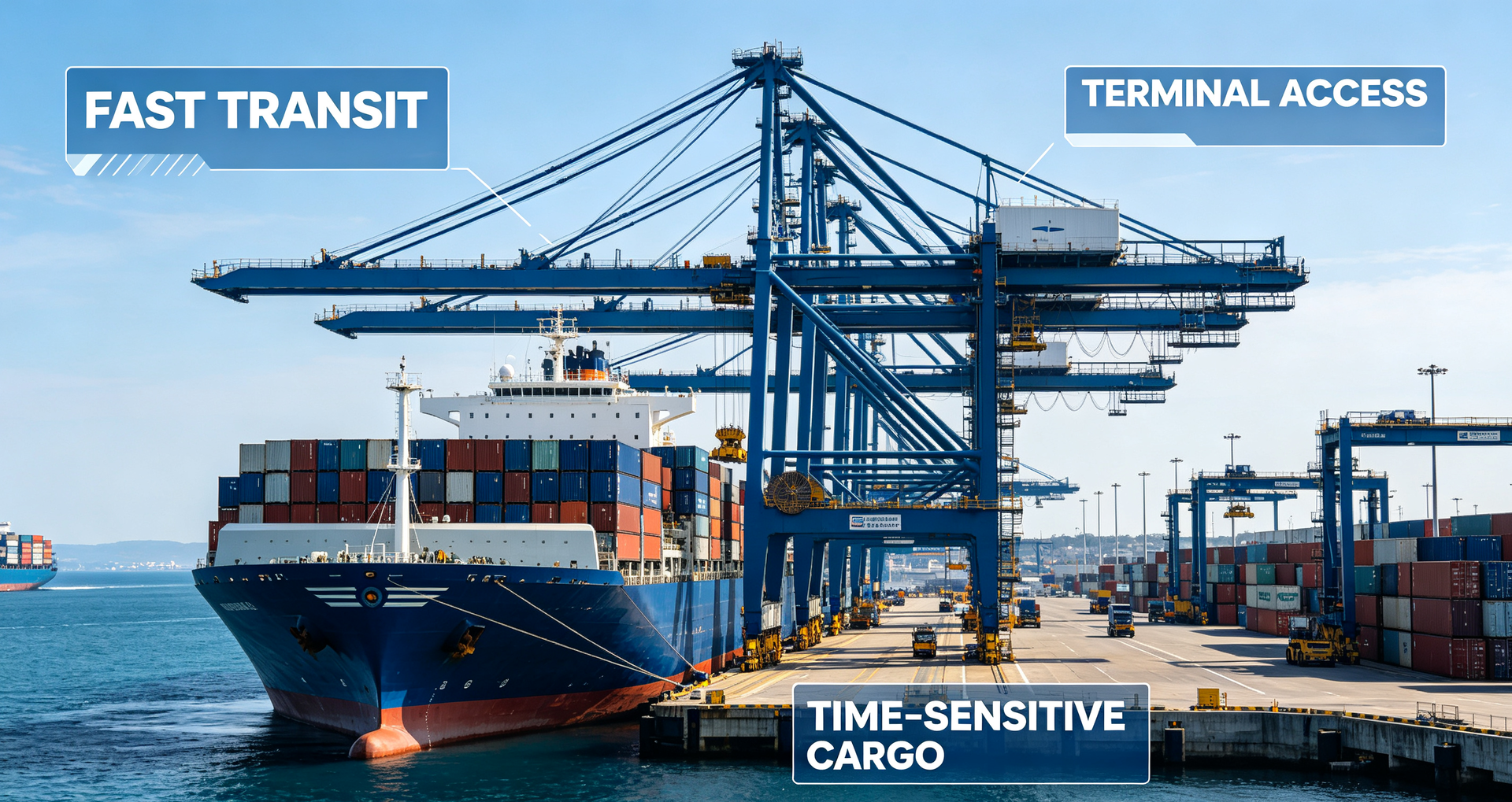
Choosing between Matson fast shipping, ZIM services, and standard ocean freight depends on your priorities: speed, cost, or flexibility. Matson is known for faster transit times on specific Asia–US routes; ZIM offers flexible container shipping solutions with strong global coverage; and standard ocean freight remains the most cost-effective choice for large-volume shipments. Businesses should evaluate delivery expectations, cargo type, and supply chain goals before selecting the right option.
“Speed is no longer just a logistics advantage; it has become part of the customer experience,” said David Correll, a supply chain strategy consultant.
The biggest shift in international shipping today is that companies are no longer asking only, “How much does freight cost?” They are also asking, “How reliable and predictable is delivery?”
With global supply chains becoming more complex, choosing between Matson, ZIM, and standard ocean freight has become an important decision for importers, e-commerce brands, and manufacturers. The right shipping method can influence inventory levels, customer satisfaction, and overall business performance.
Many companies shipping from Asia to North America face a familiar situation.
A shipment leaves China, but the arrival date is uncertain. A customer expects fast delivery, but traditional ocean freight schedules may not always match market demands. During peak seasons, delays can create inventory pressure and increase operating costs.
For example, an e-commerce company importing products from China to the United States may need faster replenishment to avoid running out of stock. Meanwhile, a manufacturer moving large volumes of goods may prefer lower transportation costs over speed.
This is why businesses are comparing different ocean freight options.
Matson, ZIM, and standard ocean freight each serve different shipping needs. Understanding their differences helps companies make smarter logistics decisions instead of choosing only based on price.
Matson is often considered a premium ocean shipping option, especially for Asia–US trade routes.
One of its biggest advantages is faster transit time compared with many traditional ocean freight services. For businesses shipping from China to the United States, especially destinations connected through specific Pacific routes, faster sailing schedules can help improve inventory turnover.
For example, a retailer preparing for a seasonal sales event may prioritize faster replenishment rather than waiting several additional weeks for standard ocean transportation.
However, faster service usually comes with higher freight costs.
Matson may not be the best choice for every shipment. Companies moving low-value, high-volume goods may find standard ocean freight more suitable because transportation cost has a bigger impact on overall profitability.
That said, for time-sensitive cargo, the value of speed can sometimes outweigh the additional freight expense.
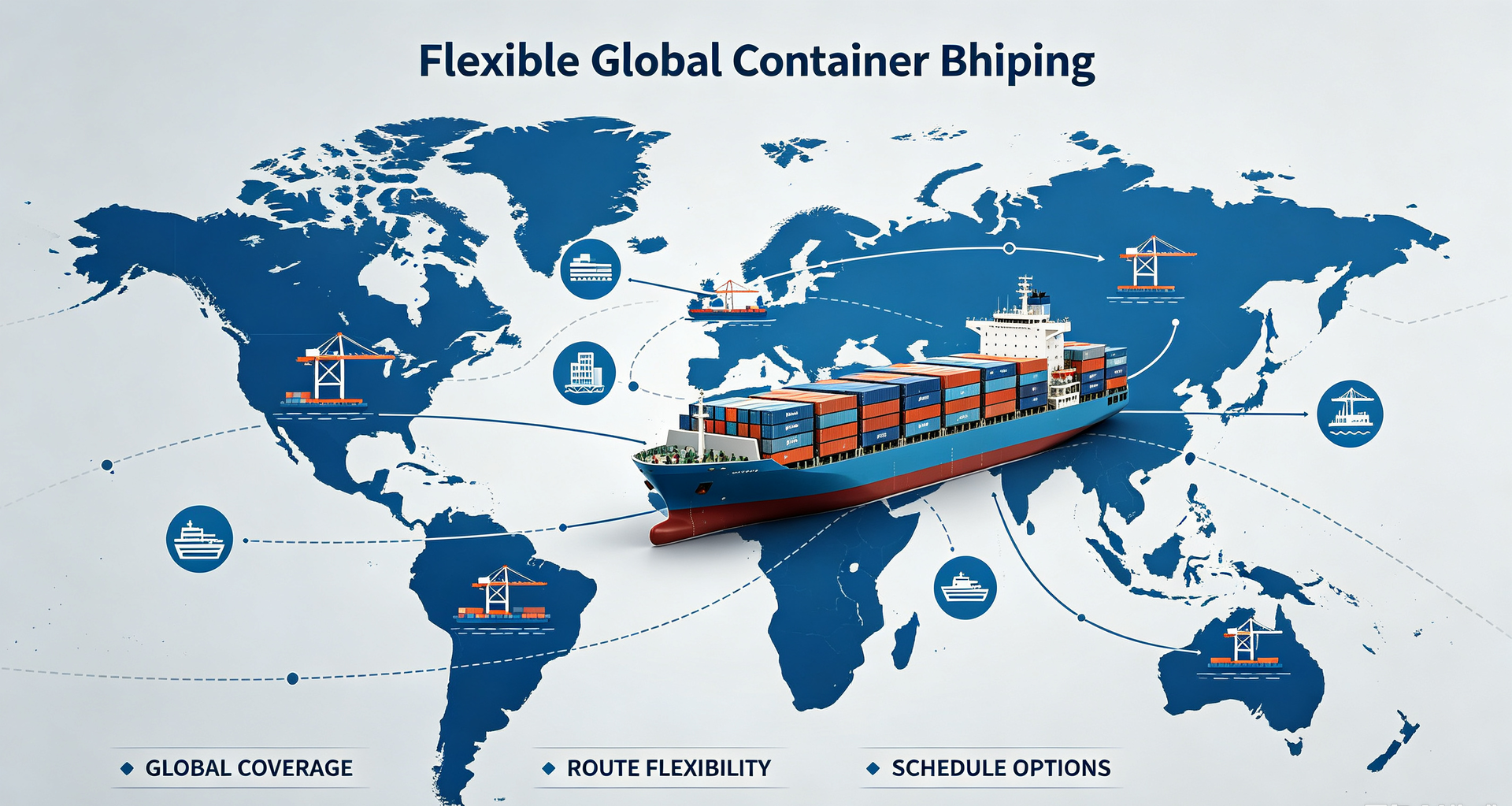
ZIM has become an important player in global container shipping by providing flexible ocean transportation solutions across multiple trade lanes.
Compared with standard ocean freight options, ZIM can offer businesses more choices in terms of schedules, routes, and service solutions.
For companies managing international supply chains, flexibility is becoming increasingly important.
A manufacturer shipping regular inventory from Asia to North America may benefit from having multiple carrier options instead of depending on one transportation method.
ZIM’s services can be attractive for businesses looking for a balance between cost efficiency and transportation reliability.
However, ocean shipping conditions can change quickly due to capacity adjustments, port congestion, and global market demand.
Still, choosing a carrier is not only about the shipping company itself. Route availability, booking timing, cargo requirements, and destination conditions all influence the final shipping performance.
Despite the growth of faster shipping solutions, standard ocean freight remains the backbone of global trade.
For many businesses, cost efficiency is still the most important factor.
Large-volume shipments, heavy cargo, and non-urgent inventory are often better suited for traditional ocean transportation because it provides competitive pricing and reliable capacity.
For example, a manufacturer shipping thousands of units of products every month may prioritize reducing logistics costs rather than saving a few days of transit time.
However, standard ocean freight also requires better planning.
Companies need to consider:
The challenge is finding the right balance between cost and delivery expectations.
| Shipping Option | Main Advantage | Best For | Potential Limitation |
| Matson | Faster transit time | Time-sensitive shipments | Higher cost |
| ZIM | Flexible global services | Businesses needing route options | Market-dependent schedules |
| Standard Ocean Freight | Cost efficiency | Large-volume cargo | Longer transit time |
There is no single shipping solution that works for every company.
Businesses should consider four key factors:
If customers expect faster delivery, premium shipping options may provide better value.
High-value or urgent products may justify faster transportation, while standard goods may benefit from lower-cost ocean freight.
Companies should compare the total supply chain cost, not only the freight rate.
Using different shipping options can help businesses reduce risks during peak seasons or in the event of unexpected disruptions.
The comparison between Matson vs ZIM vs standard ocean freight is not about finding one universal winner.
Each option solves a different logistics challenge.
Matson may be suitable for companies that value speed. ZIM can provide flexible ocean shipping solutions for changing business needs. Standard ocean freight remains a strong choice for companies focused on cost efficiency and large-volume transportation.
However, global shipping conditions continue to evolve.
Businesses should regularly review their transportation strategy based on market changes, customer expectations, and supply chain goals.
Choosing the right freight solution today can help create a more resilient international logistics network tomorrow.
Need help choosing the right ocean freight solution? Contact us or Request a Quote to discuss your shipping requirements.
Matson is generally recognized for faster transit schedules on certain Asia–US routes compared with many traditional ocean freight services. Actual transit time depends on origin, destination, and sailing schedule.
Pricing depends on route, season, capacity, and shipment requirements. ZIM may offer competitive options, but businesses should compare total service value rather than only freight rates.
E-commerce companies often need a balance between speed and cost. Time-sensitive products may benefit from faster services, while regular inventory shipments may use standard ocean freight.
Yes. Many companies use a mixed logistics strategy, combining premium shipping for urgent cargo and standard ocean freight for regular inventory.






 Email: