
WORLDWIDE FREIGHT SERVICES
Email: jack@transworldcn.com
Explore two landmark China cross-border trade cases: UN NCD-based eNCD overland trade finance breakthrough that unlocks in-transit cargo financing, and EU CBAM green export compliance transformation reshape global low-carbon trade rules for Chinese manufacturers and freight forwarders.
Global international trade is currently undergoing two core disruptive changes that completely reshape the logic of cross-border logistics, trade financing, and export compliance. The first change is the historic institutional breakthrough of overland trade documents driven by the UN Negotiable Cargo Document Convention (UN NCD), which solves the century-long problem that only ocean bills of lading have property rights and financing attributes. The second change is the comprehensive iteration of global green trade barriers represented by the EU CBAM (Carbon Border Adjustment Mechanism), which upgrades international market access from traditional tariff preferences to low-carbon and ESG compliance thresholds.
As a core participant in global multimodal transport and export trade, China has formed two typical and replicable industrial landing cases. These two cases cover digital trade document innovation and green export transformation, providing authoritative reference for global freight forwarders, manufacturing exporters, supply chain enterprises, and trade financial institutions to adapt to new international trade rules. This article systematically analyzes the background, operation details, core trade value, and industrial impact of the two cases.
 2. Historic Breakthrough of Overland Trade Documents: UN NCD & eNCD China Landing Case
For a long time in global cross-border trade, only the ocean bill of lading has legal effect as a document of title and can be used for bank trade financing, pledge and credit approval. In contrast, traditional railway waybills, road waybills and multimodal transport documents have no statutory property right attribute. This long-term legal blank has led to overland transit cargo unable to be used as liquid assets for financing, seriously restricting the capital turnover efficiency of inland export enterprises relying on rail-sea combined transport and land cross-border logistics.
The official implementation of the UN NCD Convention (United Nations Convention on Negotiable Cargo Documents) fills this global gap. The core reform of the convention is to grant complete legal property right attributes to land transport documents such as railway and highway waybills, and recognize the legal validity ofelectronic Negotiable Cargo Documents (eNCD).
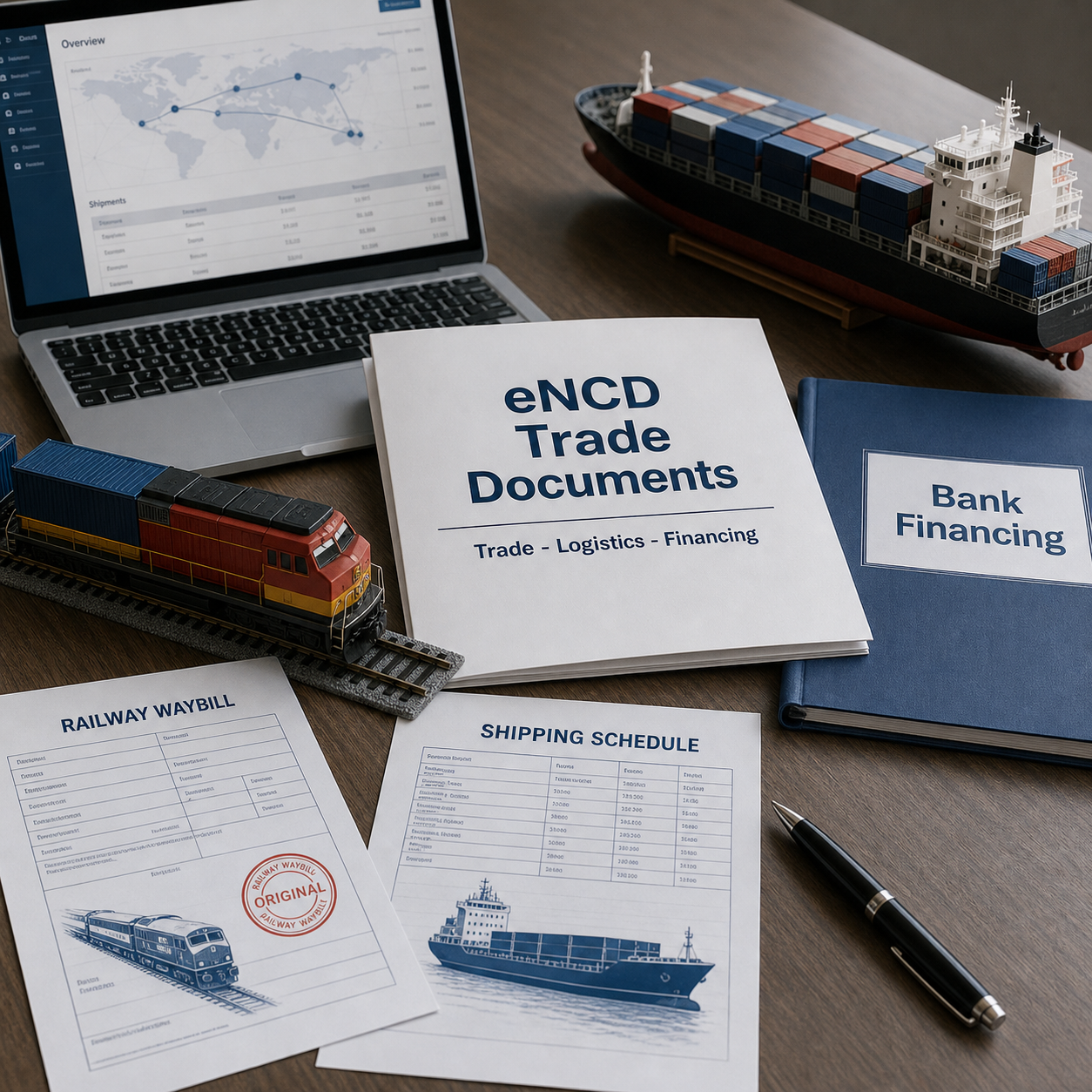
Relying on the official public service platform for negotiable cargo documents built by Chinese local governments, Chinese enterprises have taken the lead in realizing the closed-loop application of “trade-logistics-financing” based on standard eNCD, creating a landmark precedent for global overland trade digital financing.
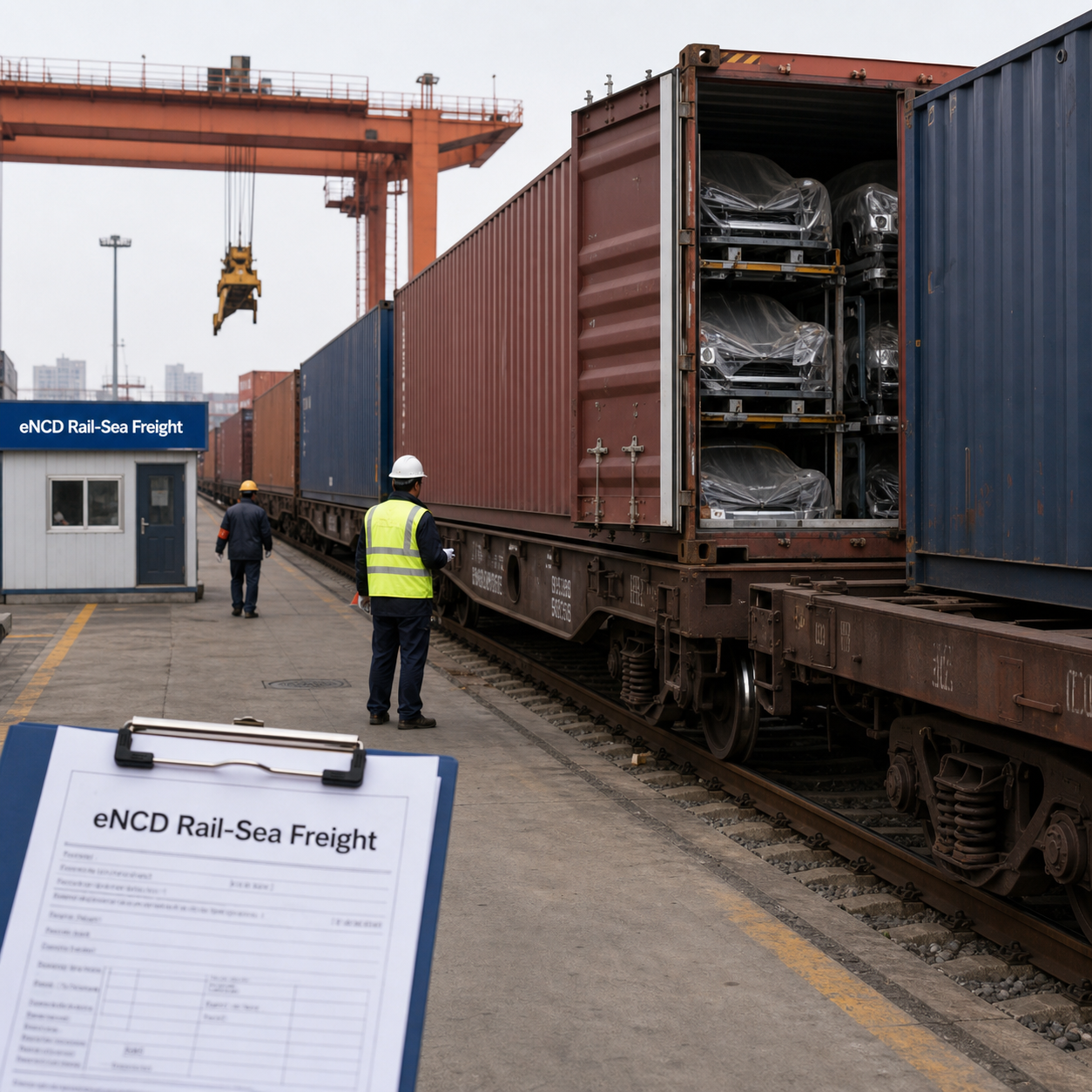
The most representative practical case of China’s NCD convention practice is the rail-sea multimodal transport project of Chongqing-manufactured automobile spare parts exported to Vietnam Haiphong.
The operation process is standardized and efficient: A large number of complete sets of auto scattered parts produced in Chongqing manufacturing base are transported to Guangxi via cross-border railway block trains. After completing customs clearance and transshipment at Guangxi port, the cargo is shipped by sea and finally arrives at Haiphong Port, Vietnam for local automobile assembly and sales.
Different from the past model that only relied on ordinary paper waybills for cargo handover, this shipment fully adopts UN NCD-compliant eNCD electronic documents. Through the government-supported blockchain public service platform, the whole process of cargo departure, transit, transshipment and arrival is digitally recorded, with non-tamperable and legally effective attributes.
The popularization of NCD and eNCD has brought revolutionary changes to cross-border multimodal trade, especially solving the financing pain point of inland export enterprises:
First, greatly shorten trade financing approval cycle. In the traditional overland trade mode, banks cannot recognize land waybills as pledge vouchers, and enterprises can only apply for financing after the cargo arrives at the destination and completes acceptance. The whole financing cycle takes more than 15 working days. After adopting eNCD with property right attribute, the financing approval time is shortened by more than 10 days, and online digital verification can complete bank auditing efficiently.
Second, activate in-transit cargo as pledgeable liquid assets. The NCD convention legally empowers railway and highway transport documents with物权 (property right) function equal to ocean bills of lading. In-transit cross-border goods are transformed from fixed inventory assets into negotiable and pledgeable liquid assets, effectively improving the capital turnover rate of small and medium-sized manufacturing enterprises and reducing comprehensive financing costs.
Third, realize full digitalization of trade documents. eNCD replaces traditional paper documents, eliminating manual filling, mailing, loss and correction costs, greatly improving the efficiency of cross-border logistics document delivery and customs clearance.
At present, China has built standardizedpublic service platforms for negotiable cargo documents in pilot regions such as Chongqing and Guangxi. Global traders, forwarders and financial institutions can inquire about eNCD issuance standards, business scope, regulatory rules and document authenticity verification services through official platform entries, providing credible official support for global promotion of NCD business.
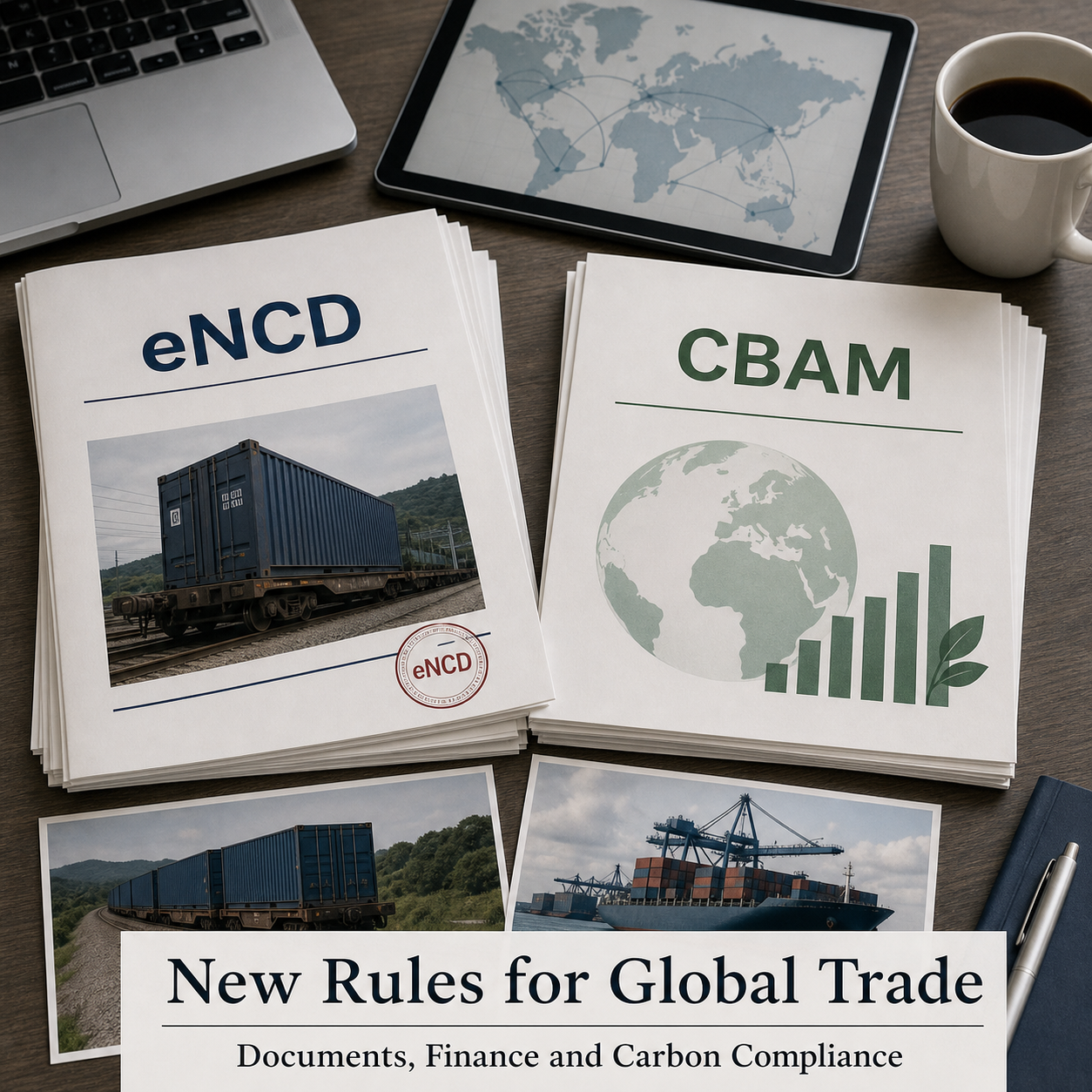
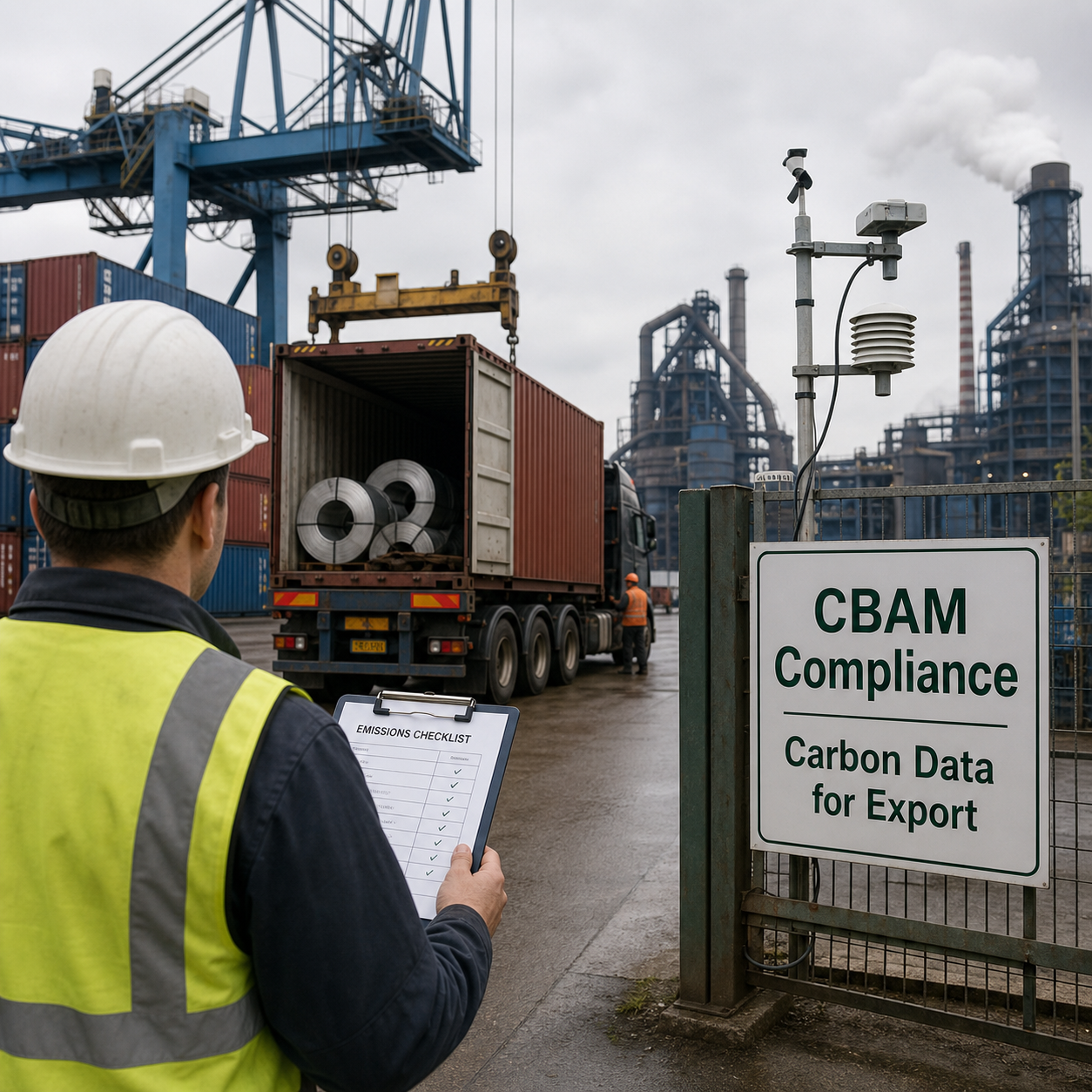
With the continuous deepening of global carbon neutrality strategies, the EU Carbon Border Adjustment Mechanism (CBAM) has become the most influential green trade barrier in international trade. After years of transitional reporting periods, CBAM has officially entered the formal tax collection stage, and its coverage is gradually expanding from traditional high-carbon industries such as steel, aluminum, cement and chemical fertilizers to finished industrial products, mechanical parts and auto parts.
The core change brought by CBAM is the upgrade of global trade access standards. In the past, international trade competition focused on tariff preferences and product prices; at present, low-carbon certification, full-life-cycle carbon footprint accounting and ESG compliance have become mandatory thresholds for products to enter the EU market.
EU CBAM has completely reshaped the export logic of global manufacturing enterprises, especially bringing profound changes to Chinese export trade:
First, trade access shifts from tariff advantage to low-carbon compliance advantage. Traditional tariff reduction policies can no longer support enterprises to stably occupy the EU market. All export products entering the EU need to provide complete carbon emission data and carbon footprint verification reports. Products with unqualified carbon intensity will face high carbon tariffs and even be blocked from customs clearance.
Second, force global supply chain carbon management upgrading. CBAM requires enterprises to track and count carbon emissions from the whole supply chain, including upstream raw material procurement, production and processing, transportation and delivery. This rule forces Chinese and global export enterprises to accelerate the reform of internal carbon management systems, establish standardized carbon footprint files for products, and promote low-carbon transformation of the whole industrial chain.
Third, reshape the pattern of global green trade. Enterprises with insufficient low-carbon transformation capacity are facing increasing EU market access pressure, while manufacturers with complete ESG compliance and low-carbon production systems gain differentiated competitive advantages, further optimizing the global industrial division of labor and trade layout.
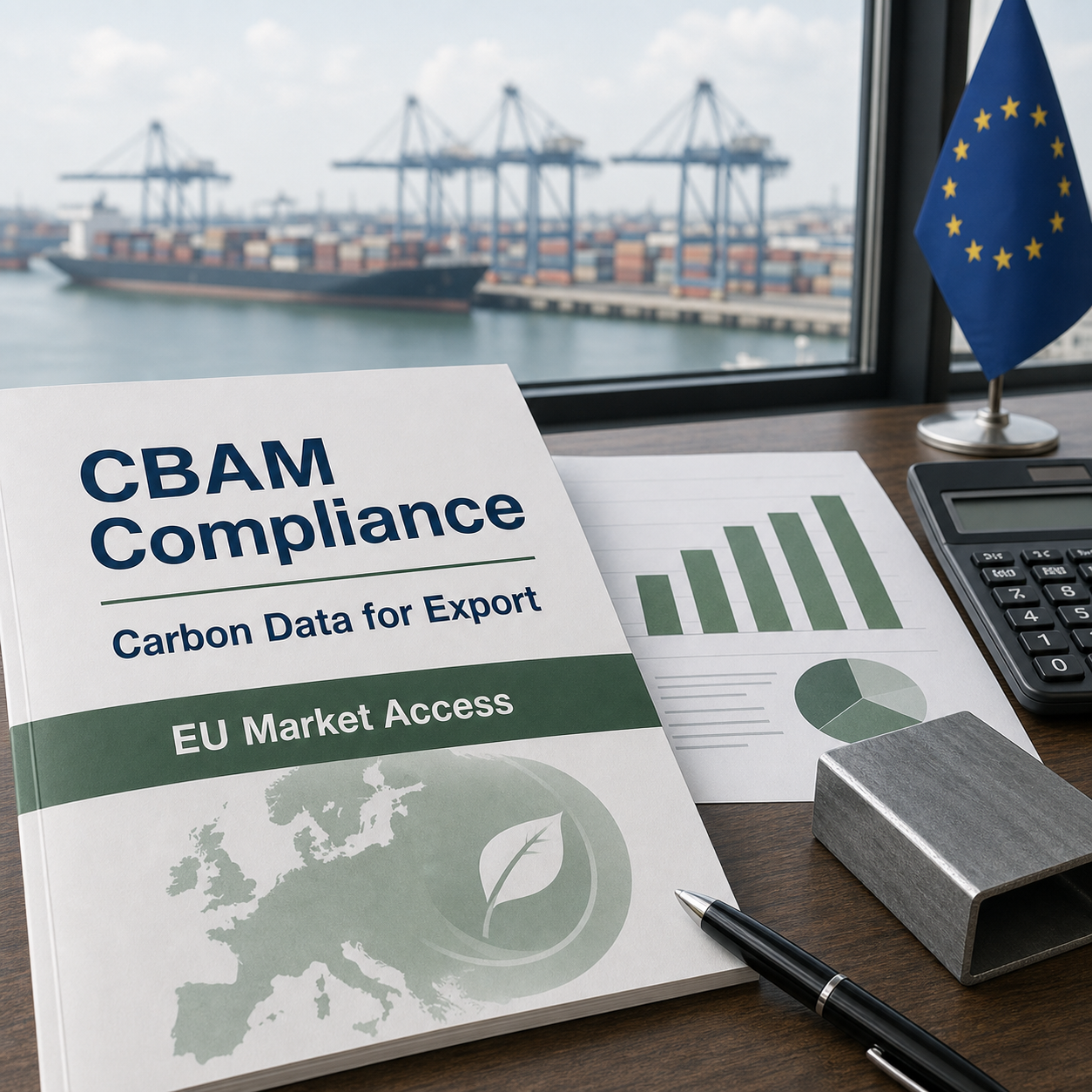
Facing the continuous tightening of EU CBAM rules, export enterprises and freight forwarders need to take proactive compliance measures. First, complete ISO14067 international carbon footprint certification for core products to form standardized and internationally recognized carbon emission data. Second, sort out multi-level supplier carbon data to avoid default high carbon tariff penalties caused by incomplete upstream data. Third, optimize production processes, reduce product embedded carbon emissions, and actively adapt to EU low-carbon trade standards.
The landing practice ofUN NCD eNCD digital trade documents and the iterative upgrade of EU CBAM green trade rules represent the two core development directions of future global cross-border trade: digital intelligent upgrading of trade logistics documents and low-carbon green compliance of the whole industrial chain.
For global freight forwarders, trading companies and manufacturing exporters, mastering NCD eNCD digital financing rules can effectively solve the financing pain point of multimodal transport and improve capital operation efficiency; actively responding to CBAM green compliance is the key to maintaining long-term stable export share in the European market. In the future, digitalization and low-carbonization will become the core competitiveness of enterprises participating in global international trade competition.
UN NCD Convention, eNCD, electronic negotiable cargo document, overland trade finance, China Vietnam rail sea transport, EU CBAM, Carbon Border Adjustment Mechanism, green export, ESG compliance, supply chain carbon footprint, cross-border multimodal trade, international trade document digitalization






 Email: