

WORLDWIDE FREIGHT SERVICES
Email: jack@transworldcn.com

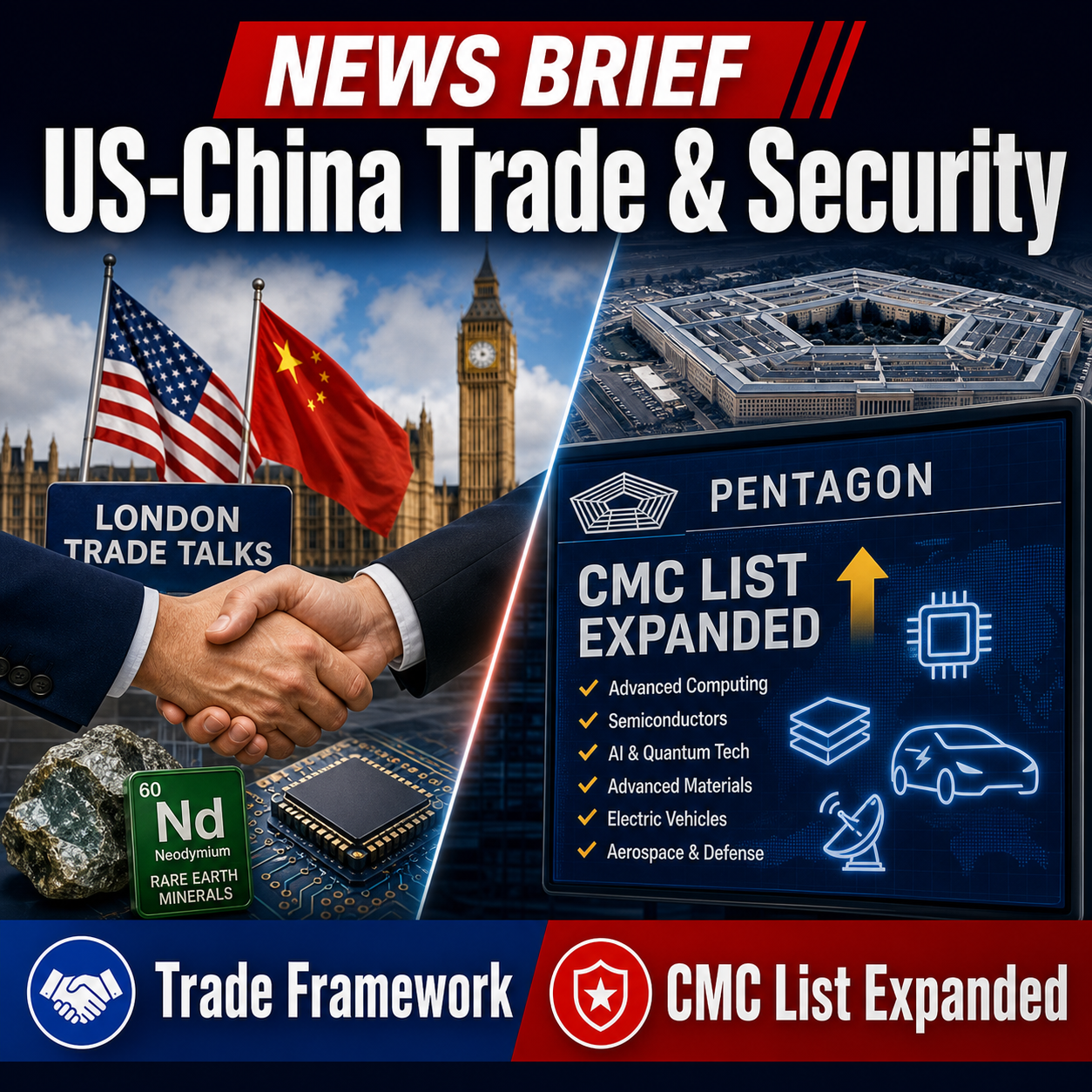
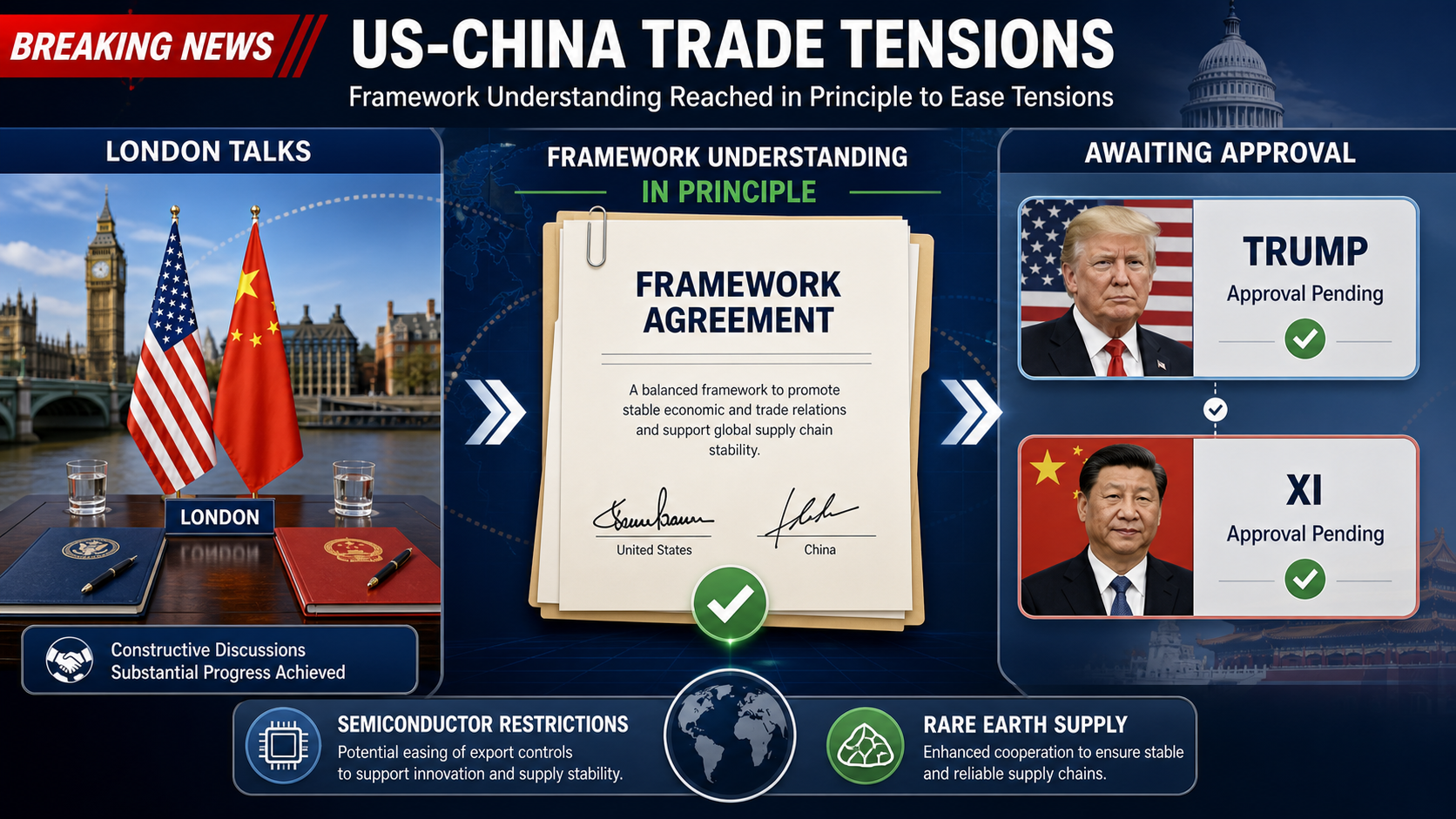
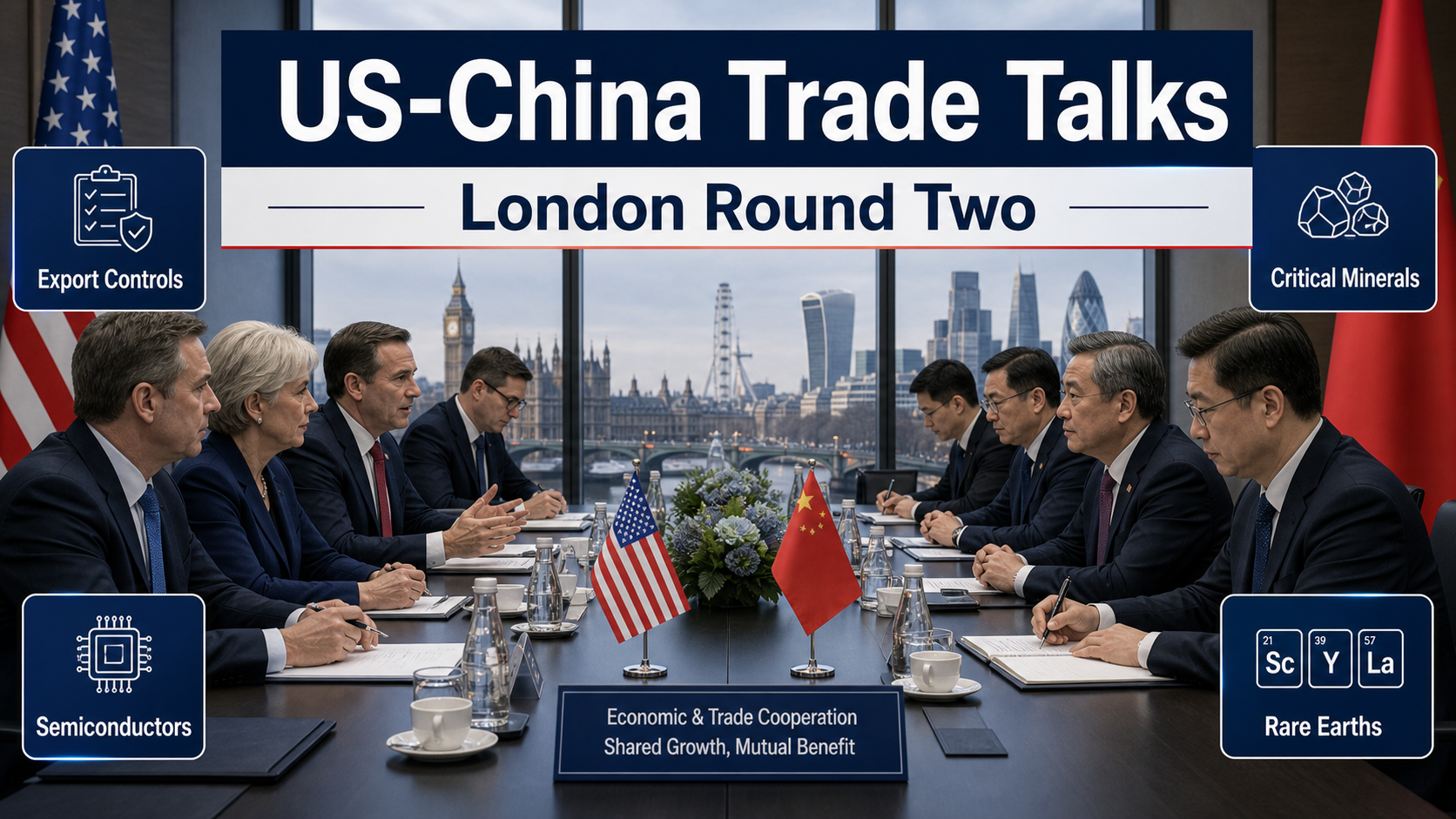
Recent days have witnessed two landmark and intertwined events that profoundly influence US-China bilateral relations and the global international trade ecosystem. The second day of the second round of high-level US-China trade consultations concluded in London, the United Kingdom, drawing widespread attention from mainstream global media including Reuters, Bloomberg and Voice of America. After in-depth and candid negotiations, the two economic and trade teams have reached a framework consensus to resolve long-standing trade disputes, with core discussions focusing on technology export controls and supply chain arrangements for critical minerals represented by rare earth elements. This hard-won framework agreement will be submitted to US President Donald Trump and Chinese national leader Xi Jinping for final approval. Once ratified, it is expected to effectively ease the persistent tensions surrounding semiconductor export restrictions and global rare earth supply chains, bringing new stability to cross-border trade, manufacturing and high-tech industries across the world.
While trade negotiators sought to de-escalate frictions in London, another major move was rolled out on the US side. The US Department of Defense officially released an updated version of its China Military-Industrial Complex (CMC) list, also known as the military-linked enterprise list. The Pentagon significantly expanded the coverage of the list, formally adding a number of leading Chinese technology companies and a well-known electric vehicle manufacturer, among which Alibaba and BYD are the most influential and eye-catching names. This unilateral move has immediately triggered fierce reactions from the Chinese side. The Ministry of Foreign Affairs of China issued a stern official statement, firmly opposing the United States’ act of arbitrarily expanding the definition of national security and imposing unreasonable suppression on Chinese enterprises. Relevant authorities also made it clear that China will adopt necessary and effective measures to safeguard the legitimate and lawful rights and interests of domestic enterprises operating globally.
These two incidents present a distinctive feature of current US-China relations: economic and trade dialogue coexists with regulatory restrictions, pragmatic negotiation goes hand in hand with strategic competition. For global traders, cross-border logistics service providers, multinational manufacturers and investors, understanding the details, background and potential ripple effects of these two events has become essential for adjusting business strategies, optimizing supply chain layouts and avoiding operational risks. This report sorts out the whole picture of the London trade framework consensus, the background and influence of the CMC list expansion, China’s official stance and responses, as well as the far-reaching implications for global international trade, to provide objective and comprehensive reference for practitioners in the global trade sector.
Against the backdrop of frequent adjustments to international trade policies, regional trade barriers and compliance requirements have become key factors restricting cross-border business operations. The US market, as one of the largest consumer markets and trading partners for many countries, has always been the focus of global cross-border enterprises. From the termination of the T86 small parcel duty-free policy for cross-border e-commerce to continuous adjustments to technology export rules and entity lists, policy changes have forced countless cross-border sellers, logistics providers and manufacturers to accelerate transformation and upgrade compliance capabilities. The latest progress in US-China trade talks and the expansion of the military-linked enterprise list will further reconstruct the competitive pattern of related industries, and every participant in the industrial chain needs to keep a close eye on policy trends and make forward-looking layouts.
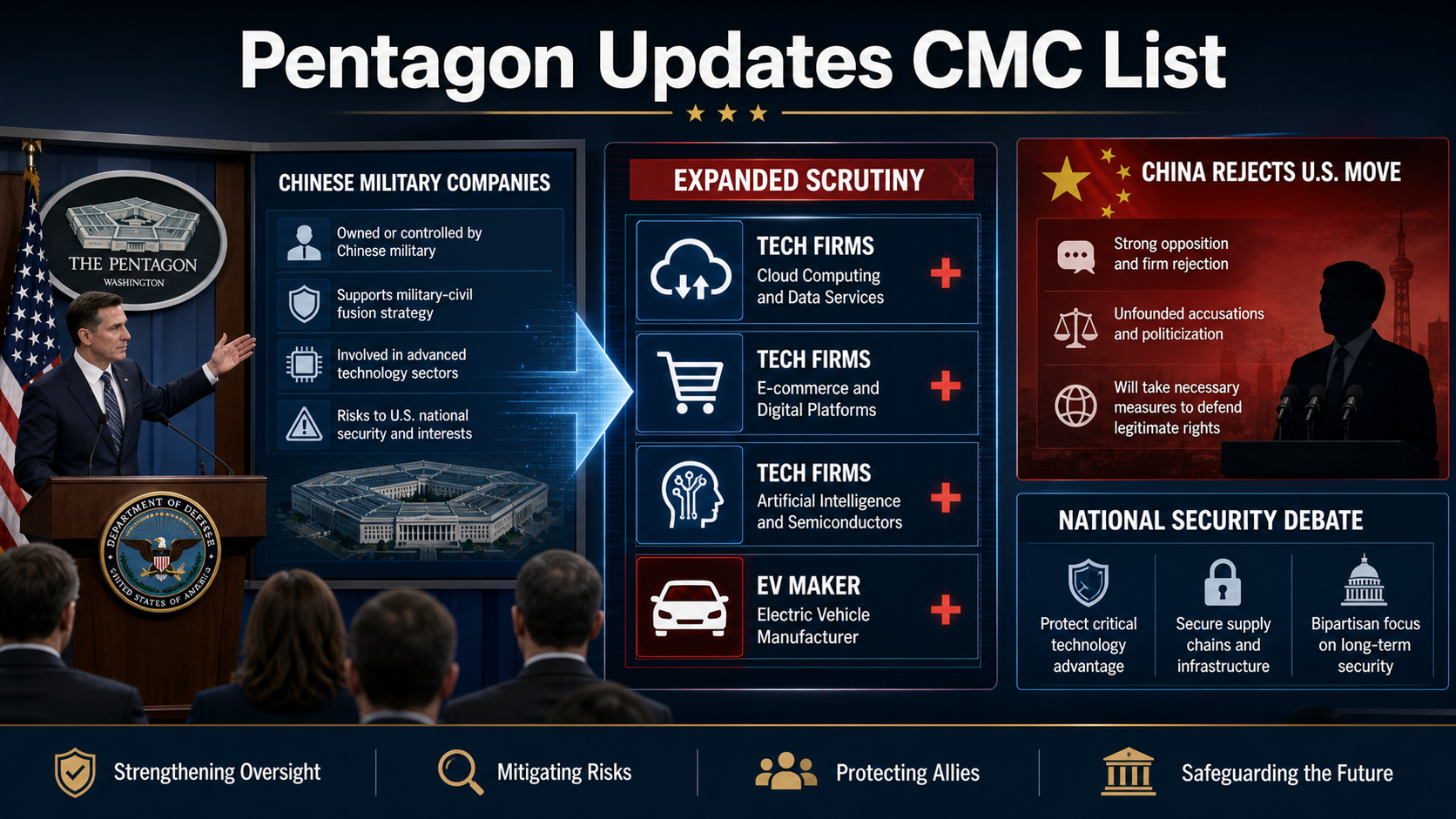
The second round of US-China high-level trade talks held in London has become a key node to ease bilateral trade tensions. Different from previous confrontational negotiations, this round of consultations adheres to the principle of mutual respect and pragmatic solutions, targeting the most prominent pain points in current bilateral trade and technological cooperation. As the core negotiation topics, technology export controls and critical mineral supply chains, especially rare earth resources, run through the entire two-day talks, and finally both sides reached a principled framework consensus recognized by all negotiating members.
Rare earth minerals are collectively referred to as industrial "vitamins", which are widely used in semiconductor manufacturing, new energy vehicles, aerospace equipment, defense industry, new energy power generation and other core fields. Due to special geological conditions and complete upstream and downstream processing industrial chains, China occupies a dominant position in the global rare earth mining, separation and deep processing sectors, and has long been an important supplier of high-quality rare earth products for the global manufacturing and high-tech industries. In recent years, with the continuous tightening of US technology export controls on Chinese semiconductor enterprises, the two sides have formed a situation of mutual restriction in the fields of core technology and key raw materials, leading to growing tensions in related industrial chains. Many American manufacturing enterprises, defense suppliers and high-tech companies have faced the pressure of insufficient supply of rare earth materials, while Chinese semiconductor firms have been restricted from obtaining advanced manufacturing equipment and core chips, resulting in dual losses for both sides’ industrial development.
In view of this practical dilemma, the London trade negotiations take "reciprocal adjustment and mutual benefit" as the basic logic. The two sides conducted detailed communication on the scope, standards and implementation timetable of export controls, as well as the licensing mechanism, supply scale and delivery cycle of rare earth products. According to reports from Reuters, Bloomberg and other authoritative news agencies, the framework consensus reached this time clarifies the general direction of policy adjustment on both sides. On the rare earth supply side, relevant restrictive measures will be appropriately optimized on the premise of standardizing management and strictly implementing end-use verification, to ensure stable and orderly supply of rare earth products to global downstream enterprises including the United States. On the technology export control side, the United States plans to conduct a comprehensive review of existing semiconductor-related restriction policies, and moderately relax unreasonable curbs targeting Chinese legitimate enterprises, so as to restore normal technological exchanges and industrial cooperation in the semiconductor sector.
It is clearly stipulated in the framework agreement that all follow-up implementation details need to be reviewed and approved by the top leaders of the two countries before formal implementation. After obtaining official approval, the new policy rules will be launched in phases, and a special communication mechanism will be established between the economic and trade departments of the two countries to track the implementation effect, solve emerging problems in a timely manner, and prevent the re-escalation of frictions. Industry analysts point out that this framework consensus is not only conducive to breaking the deadlock between US-China technology and raw material trade, but also plays a positive role in stabilizing the global industrial chain and supply chain. A large number of multinational enterprises that rely on Sino-US industrial cooperation will get rid of the uncertainty brought by long-term policy frictions, and cross-border trade activities in related fields will also regain predictability.
For cross-border e-commerce sellers, international logistics service providers and foreign trade enterprises engaged in Sino-US trade, the easing of semiconductor and rare earth related policies means the recovery of upstream and downstream production capacity. The production cycle of electronic products, new energy equipment and other goods will become more stable, the delivery cycle of cross-border orders will be shortened accordingly, and the risk of cargo shortage and delivery delay caused by raw material and technology shortages will be greatly reduced. At the same time, the normalized bilateral trade consultation mechanism will also help standardize customs clearance procedures and trade rules between the two countries, further reduce the comprehensive cost of cross-border trade, and create a more favorable operating environment for global foreign trade practitioners.
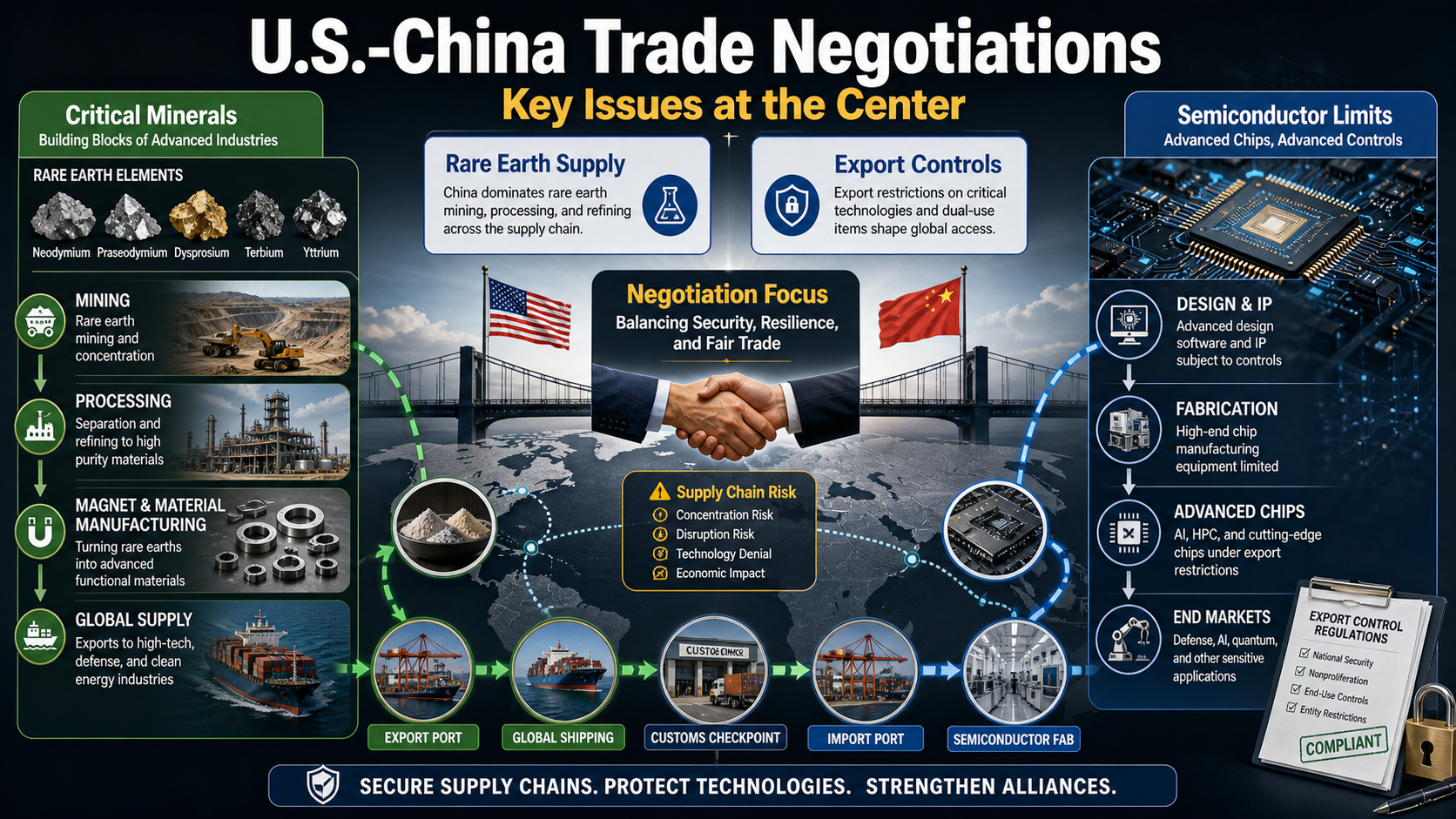
While the trade negotiation team tried to ease bilateral frictions in London, the US Department of Defense took another major regulatory action, announcing an official update and large-scale expansion of the China Military-Industrial Complex (CMC) list. This list, which targets enterprises allegedly associated with China’s military sectors, has been continuously adjusted and expanded since its launch, and this round of expansion has covered more civilian technology enterprises and new energy manufacturers, triggering extensive discussions in global business and public opinion circles.
According to the official announcement released by the Pentagon, several large-scale Chinese technology companies and a leading electric vehicle manufacturer have been newly added to the CMC list. Among the newly included entities, Alibaba Group, a global leading internet technology and e-commerce giant, and BYD, a world-famous new energy vehicle and power battery enterprise, have attracted the most attention. In addition, a number of enterprises engaged in artificial intelligence, cloud computing, automotive manufacturing and related supporting industries are also on the updated list. The US side claims that these enterprises have potential connections with China’s military-related industries and may provide technical, product or service support for military development, so they are included in the restricted list in accordance with relevant domestic laws and regulations.
In terms of actual influence, being listed on the CMC list will bring multiple operational restrictions to involved enterprises. In accordance with relevant US regulatory provisions, US government departments, military institutions and their designated contractors will be restricted from carrying out cooperation, procurement and project docking with listed enterprises. Meanwhile, relevant US financial institutions, technology research institutions and industrial organizations will also tend to cut off or reduce business links with these enterprises out of compliance risk consideration. For multinational companies with business layouts in the US market, once they maintain in-depth cooperation with CMC listed enterprises, they will also face the risk of being implicated and subject to additional regulatory investigations and restrictions.
From the perspective of industry classification, the newly added enterprises cover e-commerce, cloud computing, artificial intelligence, new energy vehicles, power batteries and other civilian competitive industries. Most of these enterprises focus on civilian product research and development, production and global commercial operation, with their main business targeting ordinary consumers and commercial customers in the global market. For a long time, they have abided by the laws and regulations of all operating regions and maintained standardized commercial operations. The US side arbitrarily includes these purely civilian enterprises in the military-linked enterprise list on the grounds of "national security", which is widely regarded by global public opinion as a typical act of expanding the scope of national security and carrying out unreasonable suppression of competitive Chinese enterprises.
After the release of the updated list, the involved enterprises have successively issued statements to respond. Alibaba clearly stated that the company is a purely civilian internet enterprise, focusing on e-commerce, cloud computing, digital technology services and other civilian businesses, and has no connection with any military-related work. The inclusion in the CMC list lacks factual basis, and the company will take all legal means to safeguard its legitimate rights and interests. BYD also responded that the company has long been committed to the research, development, production and sales of civilian new energy vehicles and power batteries, serving global civilian travel and green energy transformation. The relevant allegations are inconsistent with the actual situation, and the company will actively respond to the follow-up regulatory process.
For the global trade industry, the expansion of the CMC list has directly increased the compliance risks of Sino-US cross-border trade and cross-border investment. Multinational buyers, cross-border logistics providers, overseas warehouse operators and supply chain service enterprises need to re-sort out their partner lists, sort out potential compliance risks, and adjust cooperation strategies in a timely manner. Especially for cross-border e-commerce and US-oriented overseas warehouse service industries, goods involved with listed enterprises will face stricter customs clearance review and cargo inspection procedures, which may lead to prolonged customs clearance time and increased operating costs. This also further reminds all cross-border trade practitioners that in the current complex international environment, full-process compliance management has become an indispensable core competitiveness.
Facing the US side’s move to expand the CMC list and suppress Chinese enterprises, China has launched a clear and firm official response. The Ministry of Foreign Affairs of China issued a formal statement immediately after the release of the updated list, expressing strong dissatisfaction and resolute opposition. The spokesperson pointed out that the US side has repeatedly generalized the concept of national security, abused domestic regulatory tools, and arbitrarily imposed restrictions on Chinese civilian enterprises operating in accordance with the law. Such practices violate the basic principles of international trade rules and market competition, seriously damage the normal Sino-US economic and trade order, and also disrupt the stability of the global industrial chain and supply chain.
The Chinese side emphasized that Chinese enterprises, whether operating domestically or expanding overseas, have always strictly abided by local laws and regulations and carried out standardized commercial operations. The so-called "military connection" allegations against a large number of civilian enterprises are completely groundless. China will never accept the US side’s unreasonable suppression and discrimination. Relevant departments will closely track the follow-up evolution of the incident, comprehensively evaluate the impact of the relevant list on Chinese enterprises and bilateral trade, and adopt all necessary and reasonable measures to firmly safeguard the legitimate rights and interests of Chinese enterprises, as well as the legitimate development rights of Sino-US economic and trade relations.
Looking at the overall situation of global international trade, the two major events of the London trade framework consensus and the expansion of the US CMC list jointly shape the new development trend of Sino-US trade and even global trade. On the positive side, the framework consensus reached in the London negotiations has released a positive signal of dialogue and de-escalation. The moderate adjustment of export controls and rare earth supply policies will help ease the tight situation of global high-tech and new energy industrial chains, facilitate the recovery of cross-border trade volume, and reduce the cost pressure of manufacturing and foreign trade enterprises. The normalized bilateral trade consultation mechanism also provides a communication channel for resolving subsequent trade disputes, which is of great significance for maintaining the stability of global trade.
On the risk side, the expansion of the US military-linked enterprise list has raised the overall compliance threshold for Sino-US cross-border trade. All enterprises engaged in Sino-US foreign trade, cross-border e-commerce, overseas warehouse operation and cross-border logistics need to further improve their compliance management systems, sort out the enterprise qualification review process of upstream and downstream partners, and strengthen the whole-process risk control of commodity sources, documents, customs clearance and after-sales services. For US-oriented cross-border sellers and logistics service providers, on the basis of adapting to the policy changes after the termination of the T86 policy, they also need to respond to the new entity list restrictions, which puts forward higher requirements for their comprehensive service capabilities and policy perception capabilities.
From a long-term perspective, the coexistence of dialogue and restriction will become the normal state of Sino-US economic and trade relations. Global international trade practitioners must establish a long-term policy awareness, keep tracking the policy dynamics of major trading countries, optimize supply chain layouts in a diversified manner, and avoid over-reliance on a single market or single channel. At the same time, attaching importance to compliance construction, establishing a sound risk early warning mechanism, and improving the ability to respond to policy changes have become the key to the sustainable development of foreign trade enterprises.
In conclusion, the framework consensus of the London trade talks brings room for relaxation to Sino-US trade frictions, while the expansion of the US CMC list reminds all market players of persistent regulatory risks. Opportunities and challenges coexist in the global international trade market. Only by adhering to standardized operation, strengthening policy research, improving comprehensive competitiveness, and responding to changes with a rational and pragmatic attitude can enterprises gain a firm foothold in the complex international trade environment and realize stable long-term development.






 Email: