

WORLDWIDE FREIGHT SERVICES
Email: jack@transworldcn.com
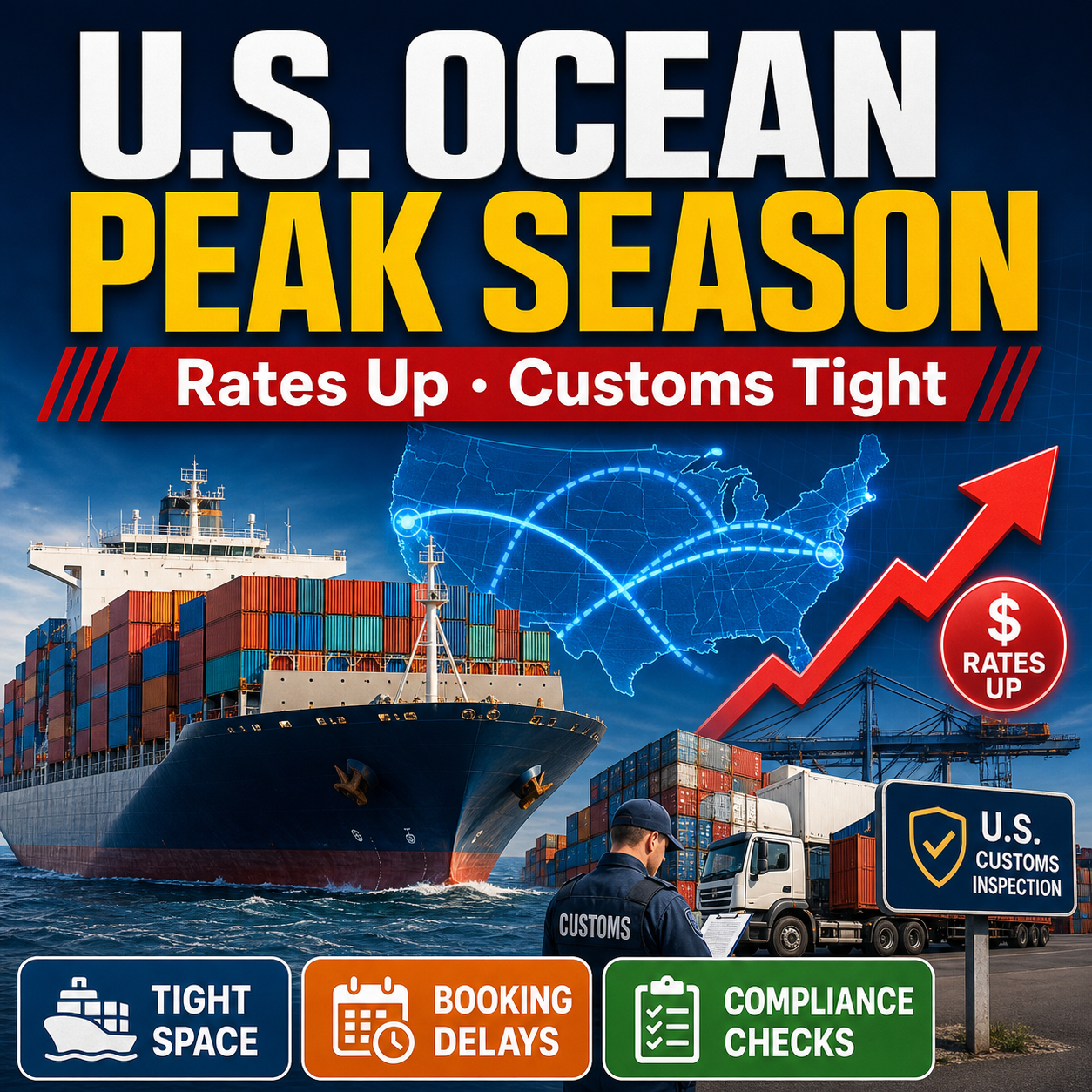
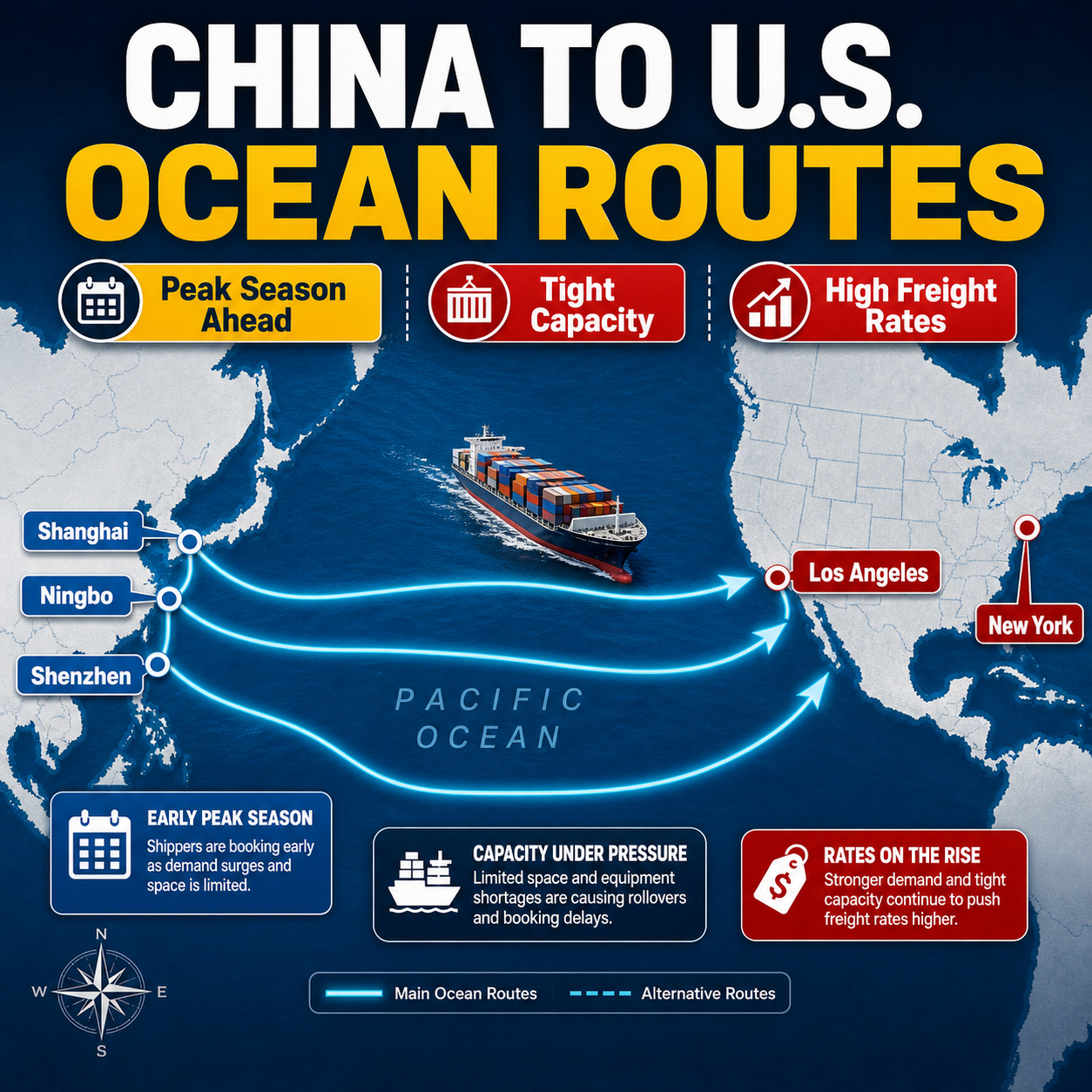
The 2026 trans-Pacific ocean freight market has entered its peak season two months earlier than usual, driven by robust North American pre-holiday stocking demand and a massive surge in cross-border e-commerce shipments. Since late May, cargo volumes on China-US routes have far outpaced vessel capacity growth, creating a severe supply-demand imbalance that has sent spot rates climbing and made space shortages, rollovers, and booking failures the new normal.
According to Drewry’s World Container Index (WCI), Shanghai-to-Los Angeles (US West Coast) spot rates rose 3% week-on-week to $3,473 per 40ft FEU** in late May, while Shanghai-to-New York (US East Coast) rates jumped 6% to **$4,597 per 40ft FEU. The Shanghai Containerized Freight Index (SCFI) confirms that transpacific rates have surged over 14% cumulatively since April, with carriers announcing multiple General Rate Increases (GRI) and Peak Season Surcharges (PSS) effective June 2026.
Major carriers including ONE, MSC, and Maersk have imposed aggressive PSS and fuel surcharges. ONE levied a $2,000 per FEU PSS** for transpacific eastbound cargo starting June 1. MSC raised Emergency Fuel Surcharges (EFS) by **$540 per 40ft box for US West Coast routes and $426** for the East Coast. Maersk will add a **$1,000 PSS for 20ft containers and $2,000 for 40/45ft boxes from June 17.
Vessel capacity tightening has intensified as carriers implement blank sailings to support rate levels. In late May, seven blank sailings were scheduled on transpacific routes, reducing available capacity by an estimated 12%. Rollover rates—cargo delayed to subsequent vessels—have reached 30–60% depending on the carrier and lane, with 90% of sailings fully booked or overbooked. Equipment shortages (empty containers) have worsened, particularly at Chinese export hubs, further complicating bookings and leading to additional container imbalance surcharges.
The early peak season is fueled by three key factors: (1) 2026 FIFA World Cup pre-event inventory restocking across retail, electronics, and apparel sectors; (2) Q4 holiday (Black Friday/Cyber Monday) inventory acceleration by Amazon FBA and e-commerce sellers; (3) Red Sea disruptions rerouting vessels via longer Africa routes, absorbing 10–15% of existing capacity and increasing transit times by 7–10 days. As a result, rate hikes and capacity constraints will persist through August–October 2026, with no near-term correction expected.
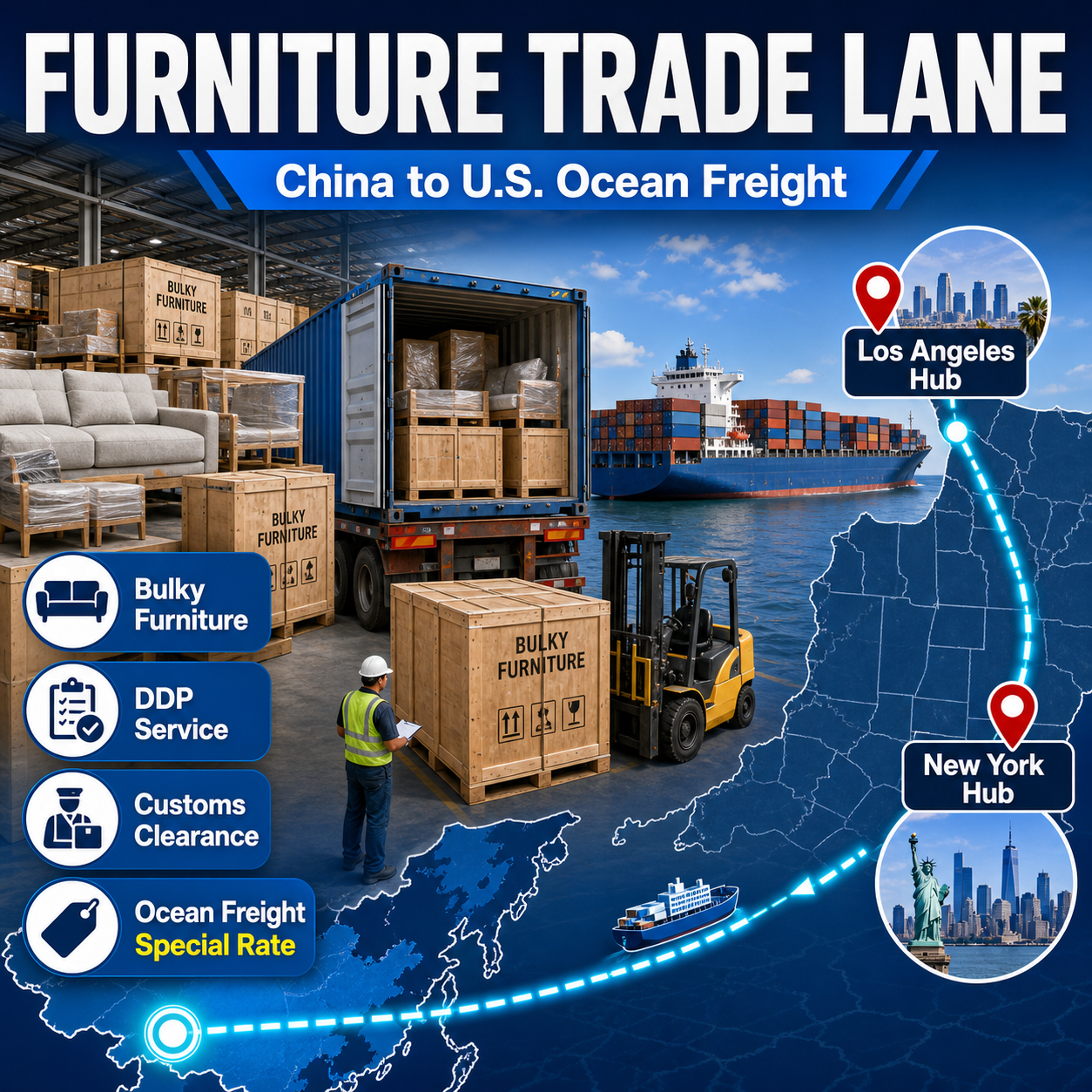
Parallel to capacity and price pressures, US customs clearance has become significantly stricter in 2026, with CBP (Customs and Border Protection) implementing new compliance rules that have raised operational complexity and inspection intensity to record levels. Effective June 2, 2026, CBP activated the ACE System F865 Intercept Code (HTS NOT ALLOWED FOR IMPORTER), which blocks entries with invalid or restricted HTS codes tied to specific importer records. This rule eliminates margin for error in classification and documentation, making zero-tolerance compliance mandatory.
Additional regulatory changes include the mandatory use of verified IOR (Importer of Record) numbers for all entries starting March 20, 2026. Previously common practices like shared IORs, virtual importers, and “gray-channel” DDP shipments are now effectively prohibited, with CBP invalidating thousands of non-compliant IOR records. Entries lacking a valid, unique IOR are immediately rejected, leading to cargo holds, storage fees, or even forced export (return to origin).
Inspection rates have surged dramatically, especially for China-origin goods. At key ports like Los Angeles/Long Beach and New York/Newark, examination rates for Chinese imports have risen from 3% to 10% in 2026. The “5H inspection” (intensive cargo examination) is now routine, with CBP targeting high-risk categories: furniture, machinery, electronics, apparel, and cross-border e-commerce parcels.
Inspection costs and delays have escalated. VACIS/X-ray exams cost $200–$400 per container, while CET (physical tear-down) exams run $1,500–$3,000, plus detention, storage, and labor fees. Inspections typically take 7–21 days to resolve, disrupting just-in-time inventory plans and causing missed retail deadlines. In Q1 2026 alone, over 1,000 containers from Chinese shippers were ordered returned due to compliance failures.
CBP’s crackdown is driven by two trends: (1) explosive growth in cross-border e-commerce small parcels (up 40% YoY), which has increased enforcement focus on low-value, high-volume shipments; (2) intensified efforts to prevent misclassification, underreporting, and duty evasion, particularly in categories like furniture, machinery, and consumer electronics. For shippers, accurate HTS coding, complete documentation, and verified IOR/EIN records are now prerequisites for smooth clearance.
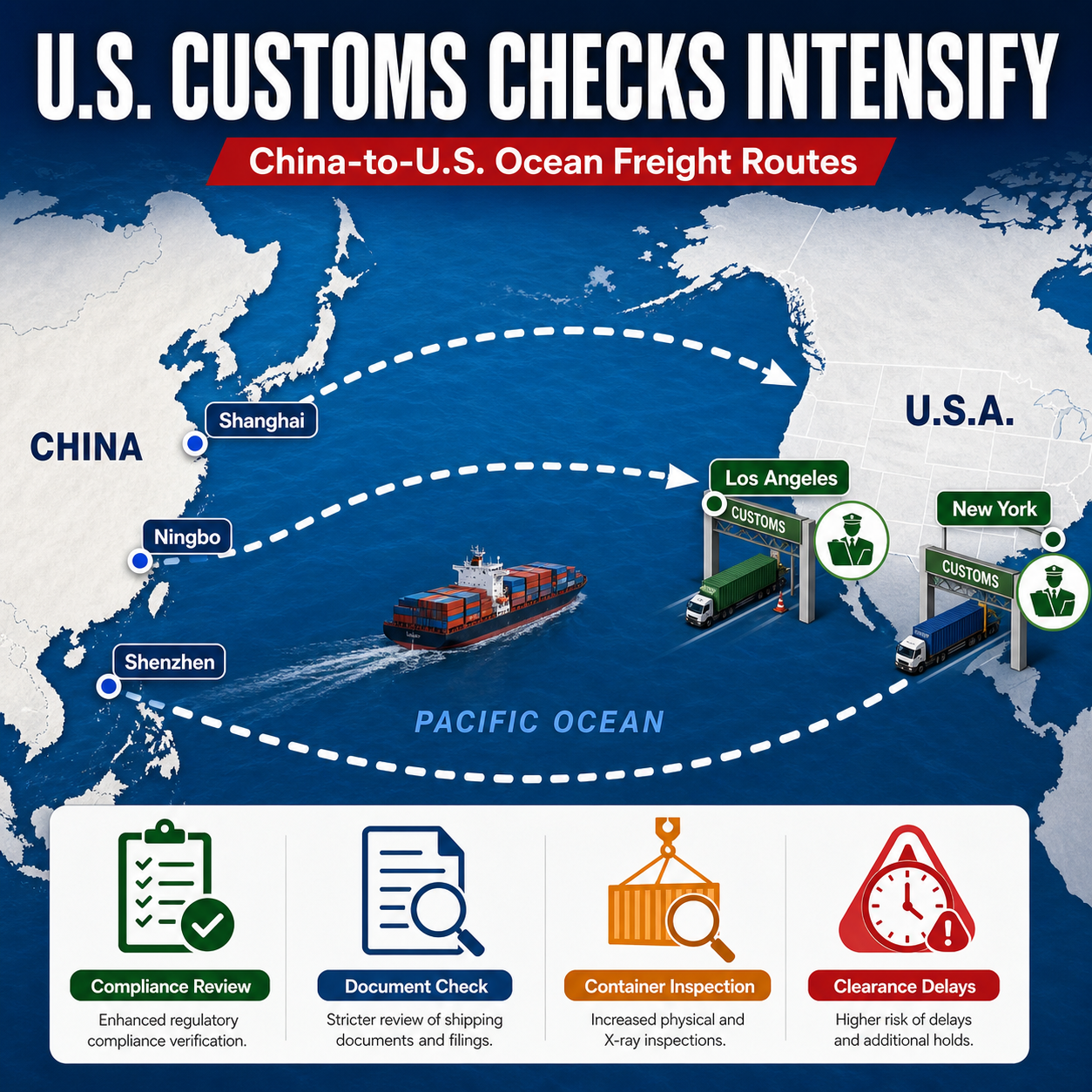
Despite the overall market frenzy, select international freight forwarders are offering specialized ocean services for high-volume, oversized, or niche cargo—specifically furniture, machinery, and heavy/bulk goods—with dedicated China-to-LAX and JFK DDP/DDU double-clearance inclusive tax 专线. These services address critical pain points: space scarcity, rate volatility, and customs complexity, providing shippers with rate stability, guaranteed space, and end-to-end compliance support.
Specialized 专线 features include:
These 专线 are particularly valuable for furniture manufacturers, machinery exporters, and bulk goods shippers—segments less affected by e-commerce parcel volatility but challenged by oversized dimensions, weight limits, and strict US product safety standards (e.g., ASTM, UL). Forwarders offering these services typically maintain long-term carrier contracts that insulate clients from spot-market spikes, with FCL rates for furniture/machinery 专线 10–15% below standard spot rates in the current peak environment.
For LCL (less-than-container load) furniture and machinery shipments, dedicated consolidation programs provide volume discounts, consolidated customs entries, and reduced minimum charges, making small-batch exports economically viable. Key benefits include faster transit times (11–14 days China-to-LAX; 14–18 days China-to-JFK) and proactive tracking with real-time updates on vessel location, customs status, and last-mile delivery.
In summary, the 2026 US ocean freight landscape demands proactive planning, compliance rigor, and strategic partner selection. While peak-season volume-price surge and customs crackdown create significant challenges, specialized 专线 for furniture, machinery, and bulk cargo offer a reliable path to mitigate risks, control costs, and ensure on-time delivery to key US hubs.






 Email: